
Artificial Intelligence (AI) is changing the way we live and work, and it’s also making a big impact in the world of Applied Behavior Analysis (ABA) therapy. From helping therapists track progress more efficiently to creating personalized therapy plans, AI is helping to make ABA therapy more effective, accessible, and tailored to each individual’s needs.
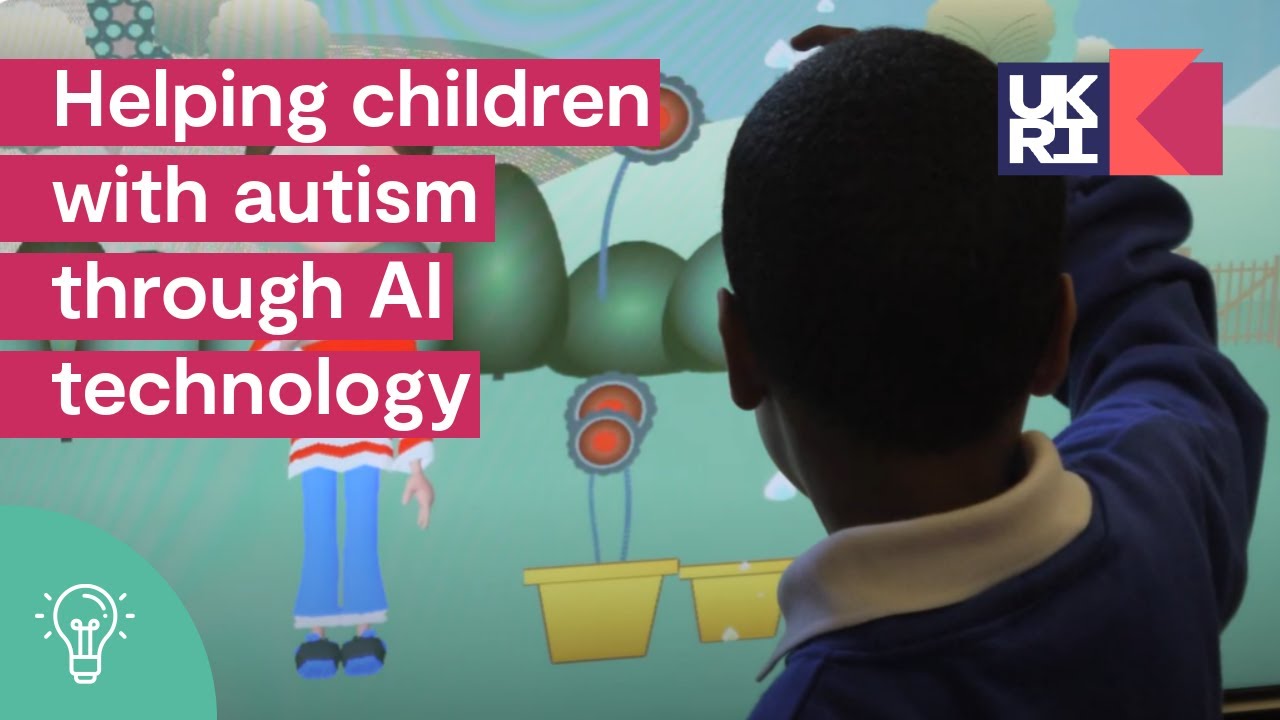
So, how exactly is AI shaping the future of ABA? Let’s dive in.
Making Data Collection Easier
One of the biggest challenges in ABA therapy is collecting and analyzing data. Therapists used to manually track behaviors and progress, which could be time-consuming and sometimes prone to error.
Now, AI is streamlining this process. With the help of AI-powered tools, data is collected in real-time, analyzed instantly, and used to adjust therapy plans on the fly. This not only saves time but also ensures that the therapy is based on accurate, up-to-date information.
Personalizing Therapy Plans
AI makes it easier to create personalized therapy plans for each individual. By analyzing how a person responds to different strategies, AI can help therapists tailor their approach in real-time.
This means that therapy can be adjusted as needed, ensuring it’s always the best fit for the person’s needs. It’s like having a therapy plan that adapts as the individual grows and changes, making the process much more flexible and effective.
Enhancing Remote ABA Therapy
AI is also playing a big role in remote ABA therapy, making it easier for therapists to work with clients even when they can’t be in the same room. Through AI-powered apps and platforms, therapists can provide immediate feedback during virtual ABA sessions, track progress, and adjust their approach in real time. This opens up opportunities for families who might not have easy access to in-person therapy, offering them more flexibility without sacrificing quality.
Predicting Outcomes for Better Results
AI doesn’t just help therapists during therapy sessions—it can also predict how a client might respond to certain interventions. By analyzing past data, AI can give therapists valuable insights into what strategies might work best in the future.
This means therapists can make more informed decisions, set realistic goals, and ultimately improve outcomes for their clients. It’s a game-changer when it comes to tracking progress and making adjustments to keep things moving in the right direction.
Supporting Therapists with Continuous Learning
AI isn’t just helping clients—it’s also helping therapists improve their skills. By analyzing therapy sessions, AI can provide feedback on how therapists can adjust their techniques for better results.
This kind of continuous learning helps ABA professionals stay sharp, which benefits everyone involved. The better the therapist, the better the experience for the child receiving therapy.
Looking Ahead: The Future of ABA and AI
While AI is already making a big difference in ABA therapy, it’s just the beginning. As technology continues to improve, we can expect even more advanced tools that help therapists deliver even more personalized, effective therapy. AI will continue to shape how we track progress, predict outcomes, and ultimately improve the quality of life for individuals receiving ABA therapy.
At Move Up ABA, we’re committed to using the latest tools and strategies to offer the best support for our clients. Whether through in-person or remote therapy, we’re always exploring new ways to improve the ABA experience. If you’re in Maryland or Virginia, we offer a range of services to meet your needs:
Reach out to Move Up ABA to learn more about how we’re incorporating advanced technology, including AI, to enhance the therapy experience.
FAQs
- How does AI help in ABA therapy?
AI streamlines data collection, personalizes therapy plans, and helps predict outcomes, making therapy more effective and tailored to each individual’s needs.
- Can AI replace therapists in ABA therapy?
No, AI enhances the work of human therapists but doesn’t replace them. It helps analyze data and inform decisions, but therapists are still needed for guidance and personal interaction.
- Can AI be used for remote ABA therapy?
Yes! AI-powered tools make remote therapy more effective by providing real-time feedback, tracking progress, and helping therapists adjust their approach during virtual sessions.
Sources:
- https://pmc.ncbi.nlm.nih.gov/articles/PMC10890993/
- https://www.sciencedirect.com/science/article/abs/pii/S1876201824003344
- https://pmc.ncbi.nlm.nih.gov/articles/PMC10817661/
- https://www.thelancet.com/journals/ebiom/article/PIIS2352-3964(25)00375-5/fulltext
- https://link.springer.com/article/10.1007/s43681-024-00608-1