Playdates are a cornerstone of childhood, offering moments for friendships to bloom and memories to be made. For children with autism spectrum disorder, these social gatherings can feel challenging. However, with thoughtful planning, you can create positive and supportive play experiences. This guide offers practical strategies for hosting inclusive activities that help with your child’s social development, ensuring playdates are fun and rewarding for everyone involved. Let’s explore how to make these social opportunities successful.
Understanding Inclusive Playdates for Autistic Children
An inclusive playdate is more than just a get-together; it’s about creating inclusive environments where every child feels welcome and understood. These events are thoughtfully planned to support the unique needs of children with an autism diagnosis, allowing them to form genuine social connections.
For children with special needs, these playdates are a chance to practice social skills in a comfortable setting. The goal is to build a foundation for friendship and emotional growth, turning a potentially stressful event into a positive one.
Why Inclusivity Matters in Social Settings
Inclusivity in social settings is crucial because it gives every child the chance to participate fully and feel valued. When you plan a playdate that considers everyone’s individual needs, you create a space where children can learn from each other. This acceptance helps autistic children feel more comfortable engaging in social interactions.
The best way to plan an inclusive playdate is to start small and focus on creating a predictable environment. Consider a visual schedule, choose activities based on shared interests, and keep the guest list small at first. By tailoring the experience to the children’s needs, you help them build essential social skills in a low-pressure way.
Ultimately, these thoughtful preparations ensure that social interactions are positive rather than overwhelming. An inclusive approach teaches all children empathy and understanding, showing them that everyone plays differently, and that’s okay. This foundation supports stronger peer relationships both during and after the playdate.
The Impact of Playdates on Autistic Children’s Development
Well-planned playdates can significantly improve an autistic child’s social development. Research shows that children who participate in playdates tend to engage more with their peers at school. These structured social opportunities help them practice turn-taking, sharing, and conversation in a safe environment.
One common challenge is difficulty with social cues and sharing treasured items. You can address this by putting away your child’s favorite toys and using “playdate only” items. Another challenge is sensory overload. Having a quiet space available for breaks can prevent meltdowns. Using tools like social stories before the event can also help prepare your child for the positive experience.
By actively supporting them through these challenges, you help foster emotional growth and resilience. Each successful interaction builds confidence, making future social events less daunting and more enjoyable. These playdates become valuable learning experiences that contribute to their overall well-being.
Recognizing the Needs of Autistic Children During Playdates
To host a successful playdate, you must first recognize your child’s needs. Children on the autism spectrum often process sensory information and social cues differently than their neurotypical peers. Understanding these differences is the first step toward creating a supportive environment where they can thrive.
By paying attention to their comfort levels and communication styles, you can anticipate potential challenges and adjust the plan accordingly. This awareness allows you to build a playdate that is not only fun but also genuinely accommodating. Next, we’ll look at specific sensory and communication preferences.
Sensory Considerations and Comfort
Accommodating sensory needs is key to ensuring an autistic child’s comfort level during a playdate. Many children with autism are highly sensitive to their surroundings, and what seems normal to you might cause sensory overload for them. Structuring the playdate to minimize overwhelming sensory experiences can make all the difference.
You can create a more comfortable environment by being mindful of potential triggers. For example, multiple conversations, loud toys, or bright, busy rooms can be distressing. Preparing a quiet space where a child can retreat if they feel overwhelmed is a great strategy. Using visual aids can also help by providing a predictable schedule, which reduces anxiety.
To manage sensory input effectively, consider these factors:
- Auditory Sensitivities: Avoid loud toys and environments with multiple conversations happening at once.
- Visual Sensitivities: Dim bright lights and reduce clutter in the play area.
- Tactile Sensitivities: Be aware of textures in toys or foods that might be uncomfortable.
- Olfactory Sensitivities: Use unscented cleaning products and avoid strong perfumes.
Social and Communication Preferences
Understanding and respecting different communication styles is vital for fostering friendships. Autistic children may not use or interpret social cues like eye contact in the same way neurotypical children do. What might look like disinterest could simply be their way of focusing and managing sensory input.
To support effective communication, it’s important to be direct and clear. Avoid sarcasm or complex instructions. Encouraging open communication between all children helps build understanding and patience. When neurotypical children learn that their friend communicates differently, it helps bridge gaps and supports genuine connection.
Here are some communication strategies to support friendship building:
- Use clear, direct language.
- Allow extra time for your child to process information and respond.
- Model appropriate social interactions and provide gentle prompts.
- Teach neurotypical peers that different communication styles are okay.
What You’ll Need to Get Started with Inclusive Playdates
Are you ready to plan your first inclusive playdate? Getting started is easier than you think. The key is preparation. Having a few simple tools on hand, like a visual schedule and appropriate activities, can transform your home into a supportive environment for a successful playdate.
Simple board games or art projects can provide structure and a shared focus for the kids. With a little planning, you can create a positive and engaging experience for everyone. Let’s look at how to prepare your home and choose the right activities.
Preparing Your Home Environment for Success
Creating a supportive environment in your home is a critical first step for an inclusive playdate. The goal is to minimize potential sensory triggers and create a sense of calm and predictability. A simple way to start is by designating a quiet space where a child can go to decompress if they feel overwhelmed. This area could have soft pillows, a weighted blanket, or some favorite calming toys.
You should also survey the main play area for potential issues. Are there bright lights that can be dimmed? Is the room overly cluttered with toys? Simplifying the space can reduce visual stress. You might also consider setting up specific activity stations, like a table for sensory bins or an area for building blocks, to provide structure.
Preparing your home doesn’t have to be complicated. Small adjustments can make a huge difference in ensuring all children feel comfortable and ready to engage.
| Area of Focus | Action to Take |
|---|---|
| Lighting | Dim bright lights or use lamps instead of overhead lighting. |
| Sound | Minimize background noise from TVs or radios. |
| Clutter | Tidy the play area and remove excessive toys. |
| Safe Space | Designate a quiet space with calming items like blankets or pillows. |
Selecting Appropriate Toys, Games, and Activities
Choosing the right toys and activities is crucial for a successful mixed-ability playdate. The best options are often those built around the children’s shared interests. When kids connect over something they both love, social interaction feels more natural and less forced. Focus on activities that have clear steps or can be done side-by-side.
Structured games and activities work well because they provide clear rules and expectations. Simple board games that involve turn-taking are excellent for practicing social skills. Art projects, like collaborative painting or building with blocks, allow children to work together toward a common goal without needing constant conversation.
For a mix of abilities, consider these simple and engaging activities:
- Sensory play with kinetic sand, water beads, or play-dough.
- Building with LEGOs or magnetic tiles.
- Outdoor fun like blowing bubbles or drawing with chalk.
- Simple, turn-taking board games or puzzles.
Step-by-Step Guide to Creating an Inclusive Playdate
Now that you have the foundational knowledge, let’s walk through a step-by-step guide to planning your playdate. This process will help you organize your thoughts and ensure you cover all the bases, from invitations to activities. Using clear communication strategies and positive reinforcement will help every play partner feel successful.
Following these steps can reduce stress for you and create a positive experience for the children. This structured approach promotes positive social engagement and helps build a framework for future successful playdates.
Step 1: Planning the Guest List and Inviting Neurotypical and Autistic Children
When planning your guest list, start small. A one-on-one playdate is often the best way to begin, as it minimizes social pressure. Try to invite a child who shares similar interests with your child, as this provides a natural starting point for connection and conversation.
Inviting both neurotypical and autistic children creates a valuable social interaction opportunity for everyone. For the neurotypical child, it builds empathy and understanding. For the autistic child, it provides a chance to practice social skills with a peer. Before the playdate, it can be helpful to give the peer’s parent a little information about what to expect.
Remember that every child has unique challenges and strengths. The goal is not to force a friendship but to create a positive environment where peer relationships can develop naturally. A well-matched play partner can make all the difference.
Step 2: Choosing Structured and Unstructured Activities
A successful playdate often includes a mix of structured activities and unstructured play. Structured activities, like a simple board game or a craft project, provide clear rules and a predictable flow. This can be very comforting for an autistic child and is a great form of gentle social skills training.
However, it’s also important to allow time for unstructured play, where children can explore and interact more freely. Have a few options available and let the children choose. This flexibility can help them feel more in control. Using direct language to explain the activity choices can help manage expectations.
Here are some ideas for suitable activities:
- Building a fort with blankets and pillows.
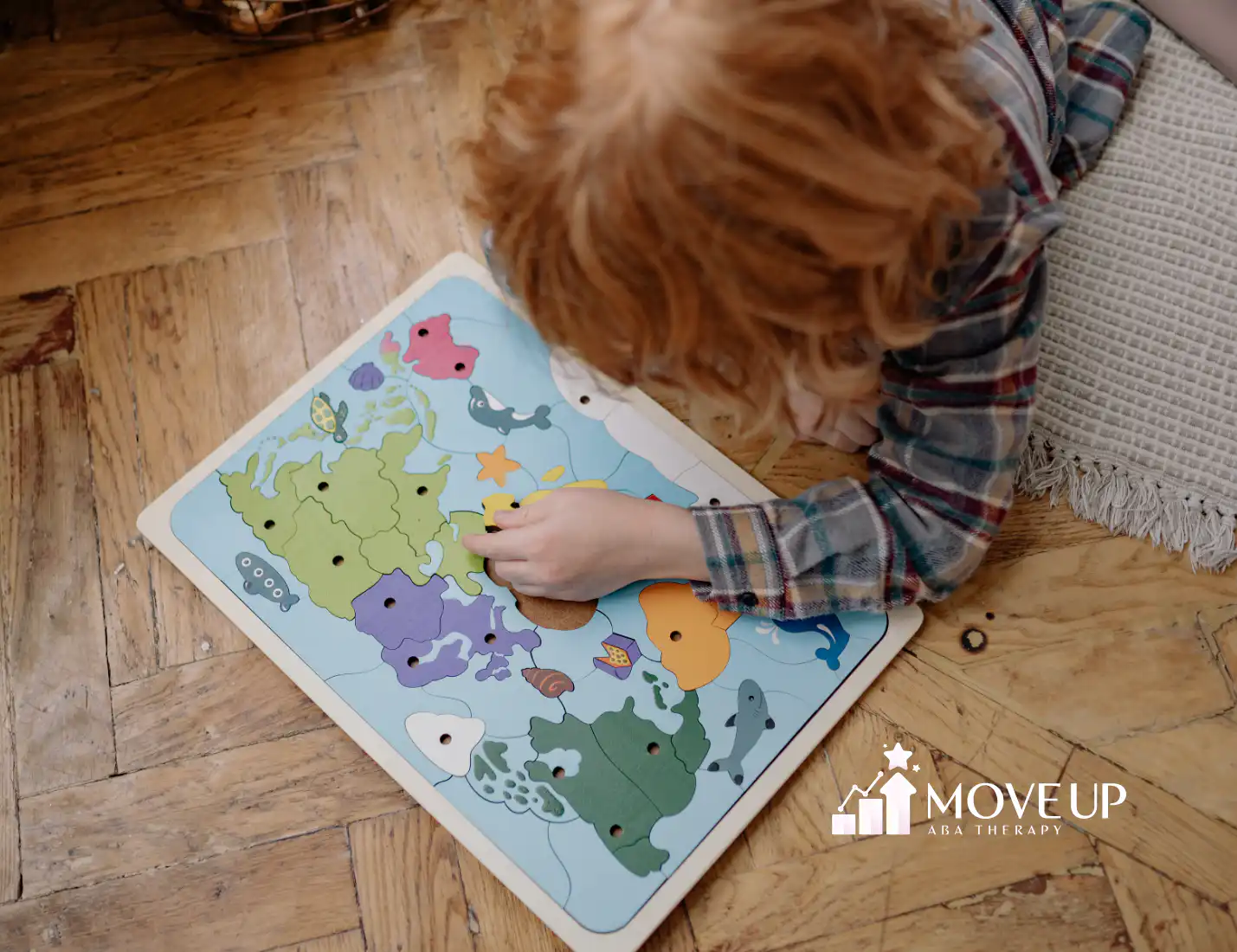
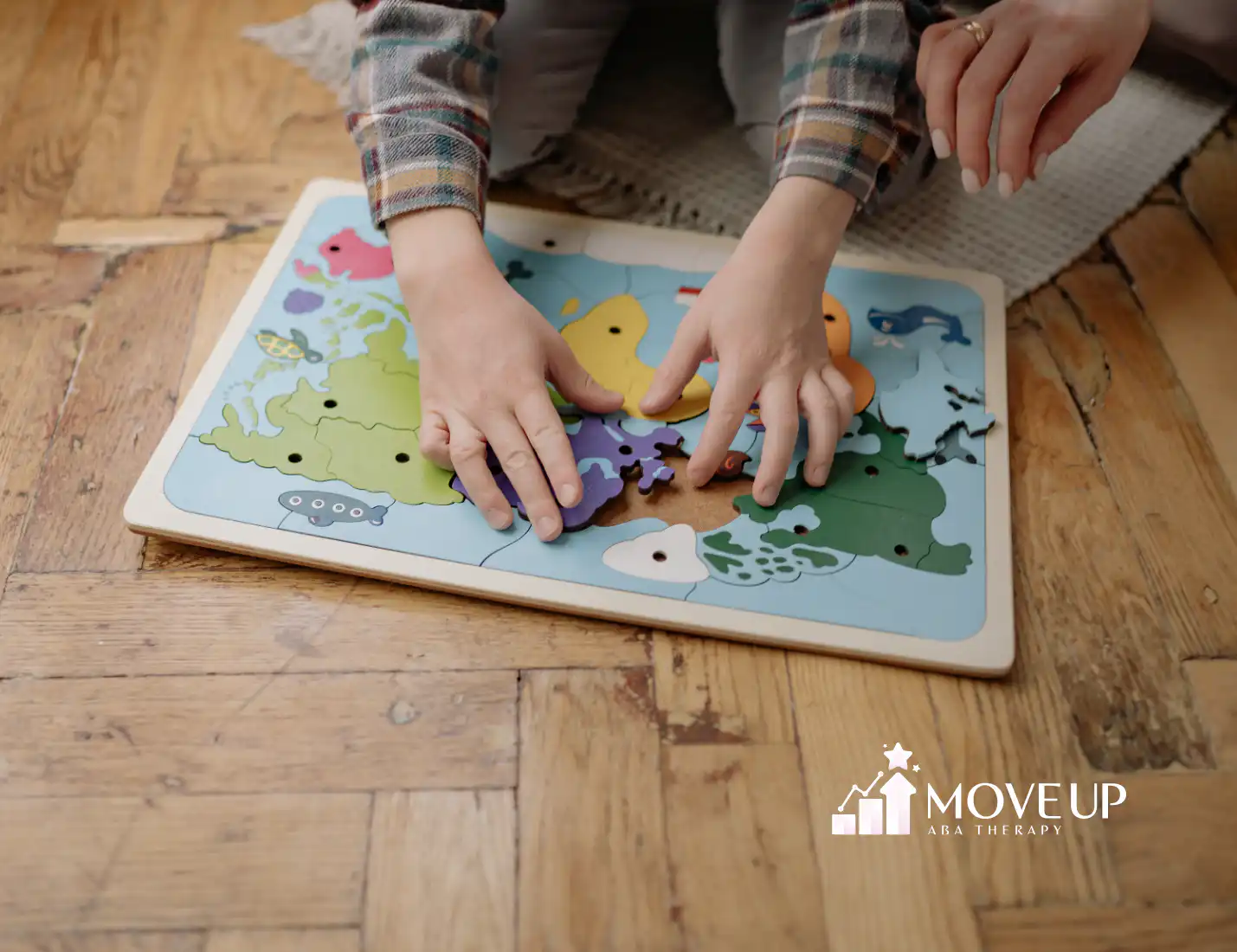
- Working on a large floor puzzle together.
- An outdoor scavenger hunt with picture clues.
- Decorating cookies or making a simple snack.
Step 3: Setting Up a Sensory-Friendly Space
Creating a sensory-friendly space is essential for preventing sensory overload and helping an autistic child feel comfortable. This means being mindful of the sights, sounds, and even smells in your play area. The goal is to create a calm atmosphere that feels safe and predictable.
A key part of structuring the playdate is establishing a quiet space. This isn’t a “time-out” corner but a cozy retreat the child can use whenever they need a break. You can fill it with soft blankets, pillows, or a few calming sensory toys. A visual schedule posted in the play area can also provide comfort by showing the child what to expect next.
To make your space more sensory-friendly, try these tips:
- Lower the volume on electronics and choose quieter toys.
- Dim harsh overhead lights and use lamps instead.
- Reduce visual clutter by putting away extra toys.
- Ensure the space is free from strong scents or perfumes.
Step 4: Communicating Expectations to Other Parents
Open communication with the parents of children attending the playdate is crucial. A respectful conversation beforehand can set a positive tone and ensure everyone feels prepared. You can explain that you’re creating a supportive environment for all kids and mention that you’ll have structured activities and a quiet space available.
It’s helpful to share a few details about your child’s needs without placing unnecessary pressure on anyone. You might say something like, “Just so you know, my child sometimes needs a quiet break. We have a cozy corner set up if anyone needs it.” This frames it as a resource for all children. It’s also important to remember that things may not go as planned. If your child gets overwhelmed, stay calm, offer a break, and validate their feelings.
Here are some tips for talking to other parents:
- Focus on creating a fun and positive experience for all children.
- Share information in a simple, matter-of-fact way.
- Ask if their child has any preferences or needs you should know about.
Conclusion
Creating inclusive playdates for autistic children is a rewarding endeavor that fosters understanding, friendship, and development in both autistic and neurotypical kids. By recognizing the unique needs of each child and preparing a welcoming environment, you can help bridge social gaps and promote meaningful interactions. Remember, inclusivity is more than just inviting diverse children; it’s about ensuring everyone feels comfortable and engaged. With the right preparation, structured activities, and open communication with parents, your playdates can become a platform for growth and enjoyment. Embrace the journey of creating these spaces, and watch as connections flourish. For further assistance or personalized strategies, don’t hesitate to reach out for support!
At Move Up ABA, we believe that every child deserves the opportunity to build lasting friendships and experience the joy of shared play. Our unique approach—guided by clinicians who are also parents of neurodivergent children—focuses on the “human” side of therapy. We specialize in social coaching that takes place right where life happens, helping your child navigate peer interactions with confidence and ease. By providing you with practical, hands-on strategies, we empower you to facilitate meaningful social encounters that feel natural and successful for everyone involved. At Move Up ABA, our goal isn’t just to hit a developmental milestone; it’s to champion the genuine friendships and community belonging that make childhood truly meaningful.
Frequently Asked Questions
How can I help autistic and neurotypical children build friendships through playdates?
Focus on shared interests to spark natural social engagement. Choose activities where children can play alongside each other, like building with blocks or doing a craft. Model positive interactions and use positive reinforcement to celebrate small successes, helping build genuine social connections between every play partner.
What games or activities work best for mixed-ability playdates?
Simple board games with clear rules, collaborative art projects, and sensory play with materials like kinetic sand work well. These activities have a clear structure that helps develop social skills in a low-pressure way. Outdoor group games like blowing bubbles or drawing with chalk are also great options.
How do I support an autistic child if a playdate doesn’t go as planned?
Stay calm and provide a supportive environment. Gently guide them to a quiet space to help regulate their sensory needs and increase their comfort level. Use simple communication strategies to validate their feelings and reassure them. The goal is to end the positive experience on a calm note, even if it’s earlier than planned.
What should I say to other parents about inclusive playdates?
Use open communication and direct language. Explain to the parents of children attending that you’re creating a fun playdate that respects everyone’s individual needs. Mentioning that you have a flexible plan and a quiet area can help everyone feel comfortable and prepared for a positive experience.
Sources:
https://www.apexaba.com/blog/aba-therapy-for-social-inclusion
https://www.handscenter.com/helpful-tips-for-planning-inclusive-playdates
https://www.autismparentingmagazine.com/planning-best-playdate-with-autism
https://www.autism.org.uk/advice-and-guidance/about-autism/autism-and-communication