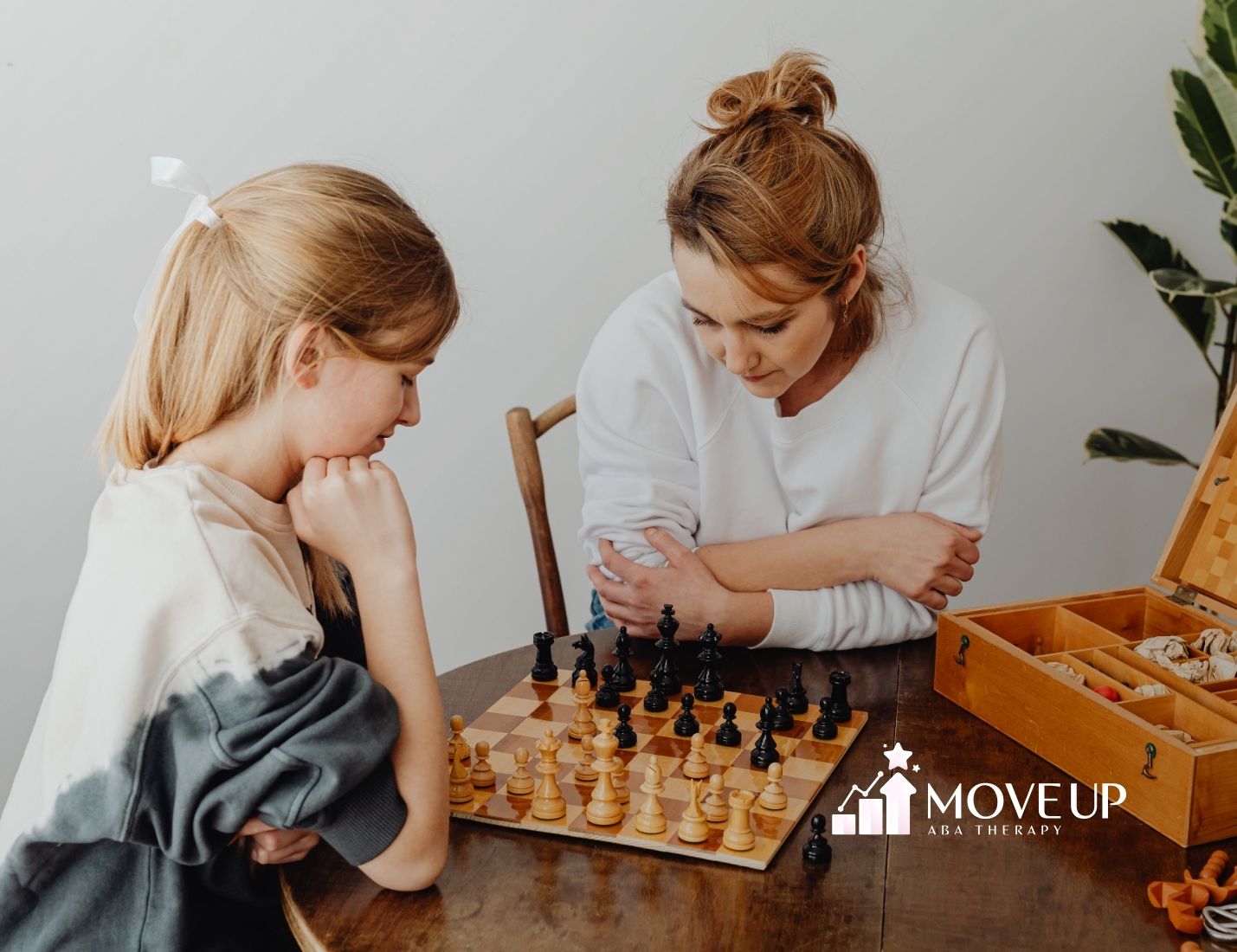
Every parent dreams of seeing their child take charge of their own routines — brushing teeth, getting dressed, packing for school.
For children with autism, these milestones are absolutely achievable with the right kind of support.
Why Daily Routines Matter in Autism
Daily routines are more than just habits — they create structure, reduce uncertainty, and promote learning. For children with autism, structure is not just comforting; it’s essential. Predictability helps them make sense of their world and prepares them for new experiences.
According to a 2020 study in Autism Research, children who followed consistent daily routines showed significant improvements in adaptive functioning and emotional regulation. That means routines don’t just make life smoother — they actively support development.
The Role of Consistency in Building Comfort
Children with autism often find comfort in repetition and predictability. When routines follow a clear pattern, they know what’s coming next, reducing anxiety and behavioral outbursts.
This is why one of the first things we do in ABA therapy is to establish a structured routine that’s easy to follow and rewarding to complete.
We teach families that consistency is the foundation — whether it’s morning routines, bedtime rituals, or transitions between activities. Once predictability is established, children begin to participate more willingly and confidently.
Routines as a Bridge to Independence
Each mastered routine represents a step toward autonomy. When a child learns to get dressed independently or pack their school bag, they’re gaining not just a skill but a sense of control and accomplishment. Over time, these routines build self-esteem, self-reliance, and resilience.
And for parents, this progress can ease daily stress and strengthen family connections.
How ABA Therapy Supports Daily Routines
ABA therapy works by breaking complex behaviors into smaller, teachable steps and reinforcing progress along the way. This systematic approach allows children to experience success one step at a time, building momentum toward full independence.
Breaking Down Tasks into Small Steps (Task Analysis)
A major ABA tool for teaching routines is task analysis — the process of breaking down a task into small, sequential steps. For example, a “getting dressed” task might be split into:
- Choosing clothes
- Putting on a shirt
- Pulling up pants
- Putting on socks
- Putting on shoes
Each step is practiced and reinforced until it becomes second nature. According to a 2019 study in Behavior Analysis in Practice, using task analysis significantly improves independence in self-care routines for children with autism.
Using Prompts and Fading Techniques
Prompts — such as verbal cues, gestures, or physical guidance — help children learn each step of a task. Over time, these prompts are gradually faded to promote independence. The goal is for the child to complete the task without assistance.
For example, during toothbrushing, we might start with hand-over-hand support, then move to a verbal cue like “brush top teeth,” and finally let the child do it independently while we provide encouragement.
Incorporating Positive Reinforcement
Every small success deserves recognition. Reinforcement — whether praise, access to a favorite activity, or a small reward — motivates children to repeat the desired behavior. Over time, the sense of accomplishment becomes the reward itself.
The beauty of ABA is that it doesn’t rely on punishment; it focuses on celebrating progress, no matter how small.
Tools That Support Daily Routines
In ABA, we don’t just rely on verbal instructions. We integrate visual, sensory, and environmental tools to make routines engaging and manageable for each child’s needs.
Visual Schedules and Checklists
Visual supports are incredibly effective for children with autism. A study found that visual schedules improved task completion rates by 68% and reduced behavioral resistance during transitions.
These tools can include:
- Picture charts for morning and bedtime routines
- Step-by-step photo sequences for hygiene tasks
- Color-coded daily planners
Visual cues give children a clear roadmap — helping them anticipate, prepare, and complete tasks more smoothly.
Sensory Considerations in Daily Routines
Sensory sensitivities can make ordinary tasks overwhelming. Toothpaste texture, clothing fabrics, or water temperature can trigger discomfort. By adjusting sensory environments — softer lighting, calming music, or preferred textures — we can make routines more comfortable.
Collaborating with occupational therapists is often beneficial to ensure routines are sensory-friendly and achievable.
Using Environmental Supports
The physical setup of a space matters. Organizing items in a consistent way — toothbrushes in the same spot, clothes folded by type, toys stored in labeled bins — promotes independence. These subtle environmental cues act as natural prompts for children to navigate routines confidently.
Generalizing Skills Beyond Therapy
ABA isn’t just about what happens during therapy sessions — it’s about helping children use these skills everywhere.
Parental Involvement and Home Practice
Family participation is key. When parents model routines and reinforce learned behaviors consistently, children are more likely to generalize skills from therapy to home life.
We encourage parents to maintain consistent wording, timing, and reinforcement methods. For example, using the same phrase (“Time to brush teeth!”) helps the child associate the verbal cue with the task, no matter who says it.
Supporting Routines in School and Community Settings
ABA also supports skill generalization beyond home. Working closely with teachers and school aides ensures children receive consistent cues and reinforcement during classroom routines — lining up, washing hands, organizing materials, or transitioning between activities.
This consistency helps children feel secure and capable in different environments.
Tracking Progress and Adjusting Strategies
In ABA, data drives decisions. We track how often and how independently a child completes each step of a routine. Over time, patterns emerge that help us adjust teaching methods, prompts, or reinforcements.
Celebrating Milestones and Independence
Progress in ABA isn’t just about the big wins — it’s about celebrating the steady, consistent growth that leads to lifelong skills. When a child learns to zip a jacket or brush their hair independently, those victories deserve to be acknowledged.
Each small achievement builds momentum toward larger goals — confidence, autonomy, and readiness for new challenges.
Daily routines might seem ordinary, but for children with autism, they represent incredible milestones of growth and self-reliance. Through structured ABA strategies — from task analysis and reinforcement to visual schedules and sensory supports — these everyday activities become powerful learning opportunities.
At Move Up ABA, we’re committed to helping families across Maryland and Virginia create positive, predictable, and empowering routines through:
- ABA therapy at home for individualized, hands-on learning in familiar spaces
- School-based ABA to strengthen skills in structured, social environments
Every mastered routine is a step toward independence, confidence, and peace — for both the child and their family.
FAQs
1. How does ABA therapy help with daily routines for children with autism?
ABA therapy breaks daily tasks into small, teachable steps, uses visual supports, and reinforces progress — helping children master routines with confidence and independence.
2. Can ABA therapy reduce meltdowns during routines?
Yes. By creating predictable routines and using reinforcement, ABA therapy helps children feel secure, reducing anxiety and behavioral challenges during transitions.
3. What daily routines can ABA therapy help improve?
ABA can support routines like brushing teeth, dressing, eating, bedtime habits, and school preparation — teaching independence and comfort in each step.
Sources:
- https://www.autism.org.uk/advice-and-guidance/topics/about-autism/preference-for-order-predictability-or-routine
- https://www.marcus.org/autism-resources/autism-tips-and-resources/establishing-routines-at-home
- https://www.autismparentingmagazine.com/daily-activities-autistic-children/
- https://www.autismspeaks.org/life-skills-for-autism
- https://www.nhs.uk/conditions/autism/autism-and-everyday-life/help-for-day-to-day-life/
- https://www.researchgate.net/publication/263155749_Effects_of_Visual_Activity_Schedules_on_Independent_Classroom_Transitions_for_Students_with_Autism