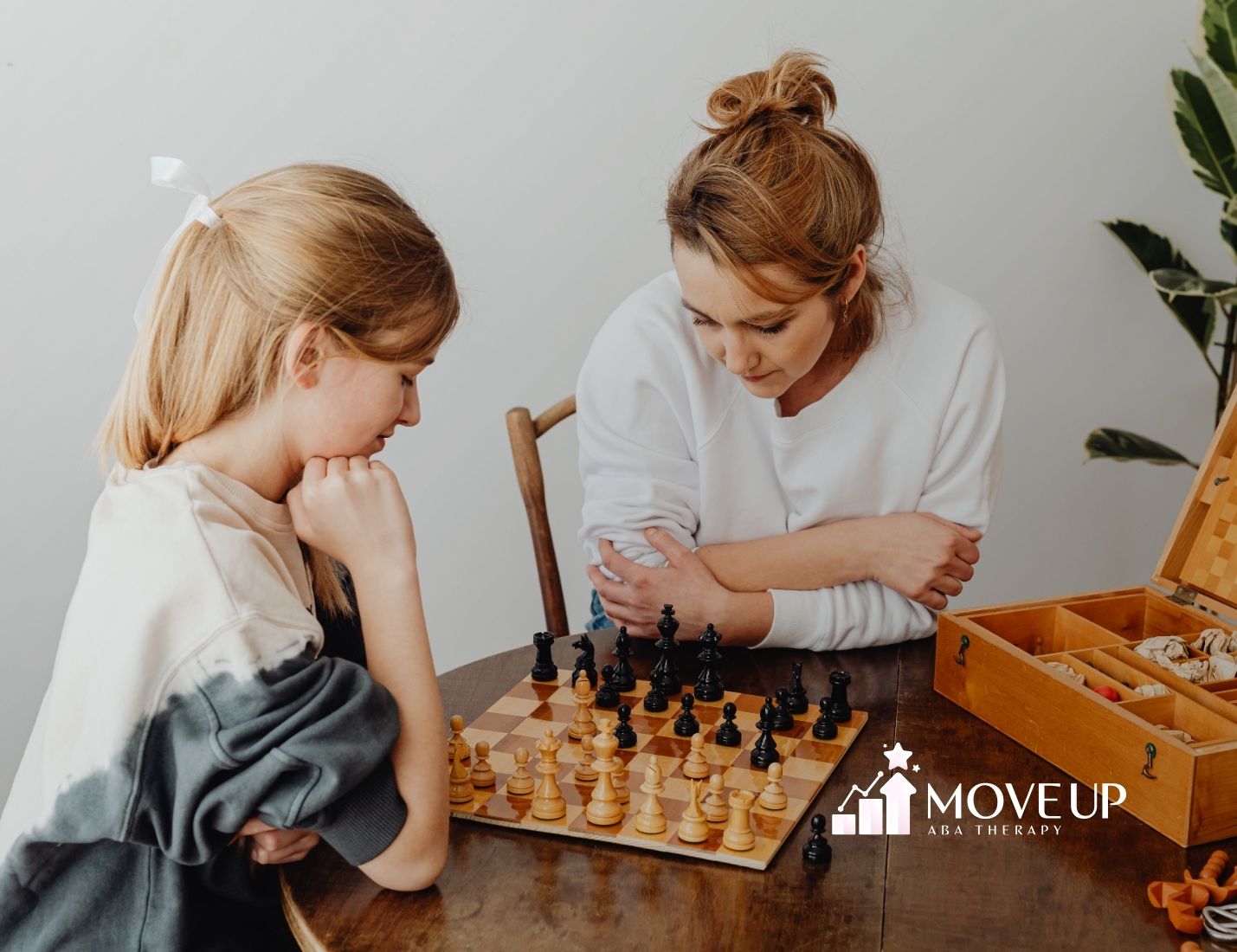
When a child begins ABA therapy, it can change the rhythm of family life. It’s natural to focus on the child with autism spectrum disorder, but their siblings also navigate this journey. Creating a sibling-support routine is essential for a harmonious home.
This guide will explore practical ways to involve all your children, foster understanding, and strengthen the bonds between family members. By making sibling support a priority, you help the entire family thrive during the ABA therapy process.
The Importance of Sibling Support During ABA Therapy
Siblings play a vital role in the life of a child with autism, and their involvement during ABA therapy sessions can make a significant difference. Creating a supportive environment where siblings feel included and valued helps strengthen family bonds and promotes a sense of teamwork. When siblings understand the therapy process, they are better equipped to offer emotional support and encouragement.
This involvement not only benefits the child in therapy but also enriches the sibling relationship. It fosters empathy, patience, and a deeper connection. Let’s look at how ABA therapy impacts family dynamics and why including siblings is so important.
Understanding ABA Therapy and Its Impact on Family Dynamics
Applied Behavior Analysis (ABA) is a therapy that focuses on improving specific skills, such as communication and social abilities, while reducing challenging behaviors. When a child starts ABA, it can shift family dynamics. Therapy sessions often require significant time and attention from parents, which can sometimes leave siblings feeling overlooked.
It’s common for siblings to experience a mix of emotions, including confusion, jealousy, or even frustration. They may not understand why their brother or sister receives so much focus or why certain behaviors are addressed differently. These feelings are normal and highlight the need for open conversations within the family.
Addressing these challenges starts with helping everyone understand the goals of ABA therapy. When siblings learn that the therapy is designed to help their brother or sister learn and grow, it can change their perspective. This understanding is the first step toward creating a more supportive and balanced family environment for everyone.
Why Sibling Involvement Matters in Autism Support
Sibling involvement in autism support is more than just helpful; it’s transformative. Siblings can act as natural peer models, demonstrating social skills in a comfortable and familiar setting. When they participate in therapy activities, they create more opportunities for their brother or sister to practice communication and interaction, reinforcing what is learned in ABA.
Feeling left out is a common concern for siblings. To counter this, you can involve them in fun, therapy-related activities. This not only makes them feel included but also strengthens their bond. Participation helps siblings develop empathy and a greater understanding of the autism spectrum, turning them into compassionate allies.
Furthermore, being involved gives siblings a sense of purpose and importance within the family. Instead of feeling like bystanders, they become active contributors to their sibling’s success. This shared journey can lead to incredibly positive relationships and provide essential emotional support for the entire family.
Key Benefits of Creating a Sibling-Support Routine
Creating a sibling-support routine offers numerous benefits for the whole family. It provides structure and predictability, which can reduce anxiety for all children. When siblings know what to expect and understand their role, it fosters a cooperative and positive home environment. A well-designed daily routine helps balance attention and ensures every child feels valued.
This consistency helps promote emotional regulation and positive behaviors. When siblings are included, they are less likely to feel resentful or overlooked. Instead, they become part of a supportive team, contributing to their sibling’s progress and the family’s overall well-being.
Key benefits include:
- Stronger Family Bonds: Shared activities and responsibilities nurture connection and teamwork.
- Improved Social Skills: Siblings can model positive social interactions, helping generalize skills learned in therapy.
- Reduced Stress: A predictable routine minimizes uncertainty and creates a calmer atmosphere for everyone.
- Enhanced Empathy: Involvement helps siblings understand their brother or sister’s unique needs and strengths.
Introducing ABA Therapy to Siblings
Explaining ABA therapy to siblings is a crucial step in building a supportive family environment. How you frame the conversation can shape their understanding and attitude toward their sibling’s unique needs. It’s important to use simple, age-appropriate language that demystifies the process and encourages questions.
Open communication is key. Creating a safe space for siblings to express their feelings—whether it’s curiosity, confusion, or frustration—helps them feel heard and validated. The goal is to present ABA as a positive tool that helps their sibling learn new skills. The following sections offer ways to explain therapy and address common concerns.
Age-Appropriate Ways to Explain ABA Therapy
When explaining ABA therapy, it’s best to tailor your approach to each child’s age and understanding. For younger children, you can compare it to learning a new game or sport. You might say, “Just like you practice soccer to get better, your brother is practicing new ways to talk and play.”
Using visual aids can also be very effective. Storybooks about autism or simple drawings can help illustrate what happens during autism therapy sessions. The focus should be on how ABA helps their sibling develop important communication skills and learn to complete tasks, making it easier for them to play and interact together.
Here are some age-appropriate ideas:
- For young children: Use simple analogies, like explaining that their sibling’s brain works a little differently.
- For school-aged children: Read books or watch videos together about autism and teamwork.
- For teenagers: Have more direct conversations about Applied Behavior Analysis and its goals, treating them as mature members of the support team.
Helping Children Understand Their Sibling’s Unique Needs
Supporting siblings in understanding their brother or sister’s unique needs is vital for fostering strong family bonds. Open discussions about autism spectrum disorder, emotional regulation, and the specific challenges their sibling faces can help demystify the experience. Including visual aids, such as visual schedules, can simplify communication and set clear expectations. Encouraging siblings to participate in therapy sessions provides them with insight into ABA therapy techniques and promotes empathy. This supportive environment ultimately strengthens sibling relationships and helps all family members thrive together.
Addressing Common Questions and Concerns from Siblings
Siblings often have questions and feelings that they may not know how to express. Concerns about fairness, jealousy over the attention their sibling receives, or frustration with certain behaviors are common. The best way to address these is through open communication and creating a space where they feel safe to share.
Regular family meetings can be a great platform for these conversations. It allows everyone to voice their feelings and feel heard. Setting clear expectations during these meetings helps siblings understand why routines or rules might be different for their brother or sister, reducing feelings of confusion or resentment.
Here are some strategies to address their concerns:
- Validate Their Feelings: Acknowledge their emotions by saying things like, “I understand it can feel unfair sometimes.”
- Use Positive Reinforcement: Praise them for their patience, understanding, and help.
- Schedule One-on-One Time: Dedicate special time to each child to make them feel valued.
- Connect with Support Groups: Sibling support groups can provide a space to connect with others in similar situations.
Building an Inclusive Daily Routine for All Children
A structured daily routine is a powerful tool for creating stability in a busy family life, especially when ABA therapy sessions are involved. An inclusive schedule helps all children know what to expect, reducing anxiety and promoting cooperation. The key is to find practical ways to weave therapy into your family’s rhythm without making it the sole focus.
By thoughtfully planning your days, you can ensure that each child’s needs are met, from therapy goals to homework and playtime. The following sections will provide tips on structuring your family schedule, including siblings in activities, and maintaining consistency.
Structuring Family Schedules Around ABA Sessions
Integrating ABA therapy sessions into your family’s schedule requires planning, but visual schedules can make it much easier for everyone. A large family calendar or whiteboard where daily activities are mapped out helps all children see what the day holds, including therapy times, school, chores, and fun events.
When you structure the schedule, try to bookend ABA therapy sessions with low-stress family activities. For example, have a quiet reading time before a session and a fun family game afterward. This approach helps create positive associations with the therapy routine and ensures family involvement.
Here is a sample schedule that incorporates family activities:
| Time | Activity | Notes for Sibling Involvement |
| 4:00 – 4:30 PM | Snack & Quiet Time | All children have a snack and read or draw together. |
| 4:30 – 5:30 PM | Child A: ABA Therapy Session | Sibling can do homework or a preferred activity. |
| 5:30 – 6:00 PM | Joint Activity: Outdoor Play | Everyone plays outside, practicing turn-taking. |
| 6:00 – 6:30 PM | Help with Dinner Prep | Siblings can work together on a simple task. |
This structure ensures that while one child is in therapy, the other is engaged, and it carves out dedicated time for family connection.
Tips for Including Siblings in Everyday Activities
Incorporating siblings into everyday activities is a natural way to build bonds and practice social skills. You can turn routine tasks into opportunities for teamwork. For instance, when preparing meals, assign age-appropriate jobs to each child so they can work together toward a common goal. This fosters cooperation and communication.
Finding shared hobbies is another excellent strategy. Whether it’s building with LEGOs, playing a board game, or tending to a small garden, these activities encourage interaction and mutual enjoyment. Look for games that require turn-taking and collaboration to help reinforce skills learned in ABA therapy.
Here are a few tips for encouraging sibling involvement:
- Assign Shared Chores: Tasks like setting the table or tidying up a playroom can be done together.
- Plan Family Projects: Work on a puzzle, build a fort, or create a piece of art as a family.
- Encourage Peer Modeling: Ask a sibling to demonstrate a task, like tying shoes, for their brother or sister.
- Join Support Groups: Some support groups organize family events that provide structured, fun activities.
Maintaining Consistency and Predictability in Family Life
Consistency is one of the pillars of a calm and supportive family environment. A predictable routine helps children, especially those with autism, feel secure because they know what’s coming next. This sense of stability can significantly reduce stress and anxiety for the entire family, making daily life smoother.
To maintain consistency, try to keep bedtimes, mealtimes, and morning routines the same each day, even on weekends. When changes are unavoidable, prepare your children in advance. Use your visual schedule to show them what will be different, which can help them adjust more easily.
This predictable structure also reinforces positive behaviors. When children know the rules and expectations, they are more likely to follow them. A consistent family life doesn’t mean being rigid; it means creating a reliable framework that provides comfort and allows everyone to thrive.
Strategies for Sibling Participation Without Disruption
Involving siblings in ABA therapy can be incredibly beneficial, but it’s important to ensure their participation is helpful, not disruptive. The key is to establish clear expectations and choose activities where they can contribute positively. With the right guidance, siblings can become valuable partners in the therapeutic process.
Setting clear boundaries and working with your ABA therapist can create opportunities for productive sibling involvement. The following strategies will help you select appropriate activities, define roles, and balance supervision so that everyone benefits from the experience.
Selecting Activities Siblings Can Safely Join
Choosing the right activities is essential for successful sibling involvement in therapy sessions. The goal is to select tasks that are simple, structured, and aligned with the therapy goals. Your Board Certified Behavior Analyst (BCBA) can help identify moments where a sibling can act as a peer model for social skills like turn-taking or sharing.
Activities that are play-based are often the best choice. Games like rolling a ball back and forth, taking turns on a swing, or building a tower together are great for practicing cooperation. These interactions feel natural and fun, making it easier for the child in therapy to generalize new skills.
Here are some safe activities for sibling participation:
- Parallel Play: Siblings can play alongside each other with similar toys, which encourages social proximity.
- Simple Board Games: Games with clear rules help teach turn-taking and patience.
- Creative Arts: Drawing or painting together allows for individual expression in a shared space.
- Modeling Behavior: A sibling can demonstrate how to request a toy or say “thank you.”
Setting Boundaries for Sibling Involvement at Home
While enthusiasm from a sibling is wonderful, setting boundaries is crucial to maintaining the structure of ABA therapy. It’s important to have open discussions with your children about when and how they can help. Explain that the ABA therapist is the leader during sessions and that their instructions need to be followed.
Define specific times or activities where sibling involvement is welcome. For example, you might designate the last 10 minutes of a session for a shared game. This creates a predictable and positive opportunity for interaction without overwhelming the therapy goals. These clear expectations help prevent frustration for everyone.
It’s also important to create “no-therapy” zones or times. Siblings need to know that they are not responsible for being a therapist to their brother or sister. Their primary role is to be a sibling. This boundary protects their relationship and prevents burnout or resentment, ensuring the home environment remains a place of rest and connection.
Balancing Supervision and Independence During Therapy
Finding the right balance between supervision and independence is key when siblings participate in or around ABA therapy sessions. During designated participation times, close supervision by the parent or therapist is necessary to guide the interaction and ensure it remains positive and goal-oriented. This helps reinforce target behaviors and gently corrects any missteps.
At the same time, it’s important to foster independence. Encourage siblings to play together outside of therapy sessions without constant direction. This allows them to build a natural, authentic relationship. Trusting them to navigate their interactions helps them develop problem-solving skills and strengthens their bond.
Your Board Certified Behavior Analyst can provide guidance on when to step in and when to let the children work things out. The goal is to create a dynamic where siblings can support the therapy goals through structured participation but also enjoy being kids together. Positive reinforcement, like praising them for playing cooperatively, encourages more of these independent, positive interactions.
Fostering Positive Interactions and Strong Bonds
Beyond the structure of ABA therapy, nurturing positive interactions in everyday moments is what truly strengthens sibling relationships. Creating a family culture of encouragement, empathy, and mutual respect can transform the family dynamic. Simple, consistent efforts to promote connection can build powerful, lifelong family bonds.
The focus should be on creating opportunities for shared fun, ensuring each child feels seen and valued, and teaching them how to be kind and understanding toward one another. The following ideas offer practical ways to foster these positive interactions and build a foundation of love and support.
Shared Playtime Ideas That Encourage Cooperation
Shared playtime is a fantastic way to build cooperation and strengthen sibling bonds. Choose activities that require teamwork rather than competition. For example, building a large fort with blankets and pillows encourages children to work together, communicate ideas, and solve problems as a team.
Look for games that have a common goal. Cooperative board games, where players work together to beat the game itself, are great for this. These activities naturally promote communication skills and help children practice reading social cues in a low-pressure, fun environment. The shared success at the end boosts morale and reinforces их positive relationship.
Here are some playtime ideas:
- Collaborative Art Projects: Work on a large mural or a sculpture together.
- Team Scavenger Hunts: Create clues that lead them to a shared prize.
- Building Together: Use blocks, LEGOs, or magnetic tiles to construct something as a team.
- Putting on a Show: Write and perform a short play or puppet show.
Meaningful One-on-One Moments for Each Child
In a family where one child requires significant attention for therapy, it’s easy for siblings to feel overlooked. Carving out meaningful one-on-one time with each child is one of the most powerful ways to show them they are cherished. These moments don’t have to be elaborate; even 15-20 minutes of focused, individual attention can make a huge difference.
Let each child choose the activity for their special time. It could be reading a book, going for a walk, baking cookies, or simply talking. This gives them a sense of control and shows that you value their interests. During this time, give them your undivided attention—put your phone away and truly listen to what they have to share.
These dedicated moments are an investment in your child’s emotional well-being and your relationship with them. They help fill their emotional cup, reduce feelings of jealousy, and reassure them of their unique and important place within the family.
Promoting Mutual Respect and Empathy Among Siblings
Teaching mutual respect and empathy is the cornerstone of a healthy sibling relationship. This starts with modeling respectful behavior yourself. When your children see you treating everyone with kindness and patience, they are more likely to do the same. Use open communication to talk about feelings and perspectives.
Encourage your children to consider each other’s points of view. You can ask questions like, “How do you think your sister felt when that happened?” This prompts them to think beyond their own experience and build empathy. Positive reinforcement is also a powerful tool; praise them generously when you see them being kind or respectful to one another.
Here are some ways to promote respect and empathy:
- Teach Feeling Words: Help children identify and name their emotions and the emotions of others.
- Read Stories About Empathy: Use books to start conversations about understanding others.
- Practice Apologizing: Teach them how to give a sincere apology when they’ve hurt someone’s feelings.
- Celebrate Differences: Talk openly about how everyone is unique and that all skills and interests are valuable.
Conclusion
In summary, building a sibling-support routine during ABA therapy is crucial for fostering a loving and inclusive family environment. By actively involving siblings and addressing their unique concerns, you can promote understanding and empathy within the family. Establishing an inclusive daily routine and creating meaningful interactions not only helps in supporting your child undergoing therapy but also strengthens the bonds among all siblings.
Remember, it’s essential to maintain open lines of communication and provide opportunities for each child to express themselves. If you’re looking for personalized strategies and support tailored to your family’s needs, don’t hesitate to get a free consultation with our experts.
At Move Up ABA, we understand that ABA therapy affects the entire household. Our approach is built on providing holistic, family-centered services that benefit everyone. Our compassionate and highly trained therapists specialize in developing routines and implementing strategies that effectively support siblings and integrate the therapy goals into your family’s daily life.
We focus on ensuring every child feels involved, understood, and valued throughout the process. Choose Move Up ABA for a program dedicated to strengthening your entire family unit, turning a time of change into a period of positive connection and growth.
Frequently Asked Questions
How can I ensure my other children feel included during ABA therapy?
Include siblings by creating a predictable daily routine that balances everyone’s needs. Involve them in fun, therapy-related activities, schedule dedicated one-on-one time, and use family meetings to give them a voice. Connecting with sibling support groups can also help them feel understood and valued by other family members.
Are there resources to help parents support all siblings during ABA sessions?
Yes, many ABA therapy services offer parent training and family involvement resources. Your Board Certified Behavior Analyst can provide guidance. Additionally, sibling support groups, family counseling, and books about autism for children are excellent resources to help you create a supportive environment for everyone.
What are some signs that a sibling may need extra emotional support?
Look for changes in behavior, such as withdrawal, increased frustration, or acting out. A sibling might also express feelings of being ignored or resentful. These are signs they may need extra emotional support. Initiating open discussions and providing one-on-one attention can help address these challenging behaviors.
Sources: