Fluorescent lights. Beeping scanners. A cart with a squeaky wheel. For most people, that’s just Tuesday. For an autistic child, it can be sensory overload from the moment the automatic doors open.
Grocery shopping with an autistic child gets easier with the right preparation, not willpower. The short answer: practice the routine at home first, use visual supports like a picture-based shopping list, pack a sensory comfort kit, and keep early trips short and low-pressure. Build tolerance gradually instead of expecting a full weekly shop to go smoothly on day one. Many of the families in our ABA therapy program build this exact routine into their child’s goals.
Why the Grocery Store Overwhelms Autistic Kids
Grocery stores stack sensory input on top of sensory input. Bright lighting, overhead music, crowded aisles, and unpredictable noises like intercoms or cart collisions all hit at once. The CDC lists adverse responses to specific sounds or textures as a recognized diagnostic feature of autism, and a federally funded review found these sensitivities can significantly interfere with a child’s ability to leave the home for everyday errands.
That’s not misbehavior. It’s a nervous system working overtime in an environment built for nobody’s comfort in particular, which is exactly why grocery shopping with an autistic child needs a plan instead of a pep talk.
Prep the Trip at Home: Practice, a Visual Ring, and a Success Kit
Rehearsal builds confidence before the real thing feels high stakes. Set up a mini pretend store at home using pantry items or toy food. Practice the sequence: walk in, find the item, pay, done. Take turns being the cashier and the shopper, and reinforce small wins along the way (“Nice waiting!” or “Great hands!”). This mirrors child-led ABA therapy: new skills get broken into small, practiced steps before they’re expected to hold up in the real world.
Pair the practice with a picture-based shopping list. Print photos of your child’s favorite or most frequently purchased foods, laminate them, and hole-punch them onto a binder ring. Your child flips or removes a card as each item gets found, and one “fun item” keeps motivation high through the whole trip. Visual supports are an evidence-based practice recognized by the National Clearinghouse on Autism Evidence and Practice.
Finally, pack a store success kit before you’re standing in the parking lot regretting it:
- Noise-canceling headphones or earbuds
- Sunglasses or a hat for bright lighting
- A preferred snack
- A chewy, fidget, or comfort item
- A tablet or phone, reserved for checkout only
- A small prize for after the trip
Save one favorite comfort item exclusively for store trips. Novelty keeps it motivating instead of routine.
In the Store: Expectations, Cart Safety, and Building Tolerance Gradually
Choose whether this is a quick trip or a longer one, and say so out loud: “We are buying three things today.” Review the grocery ring together, pack the comfort kit, and plan the reward for after checkout. A second adult, when possible, lets one person manage the cart while the other manages regulation.
Buckle the seat immediately, every time, so it becomes automatic rather than negotiable. If the cart has a second seat, bring a stuffed toy and buckle it in first, then your child. Practicing this at home and in the car ahead of time, the same way we build routines during in-home ABA sessions, cuts down on resistance in the store. Giving your child a job, like holding the ring or a small item, adds purpose to sitting still.
Start with 5 to 10 minute trips and two or three items. Longer trips and bigger lists come later, once shorter ones are going well. A visual timer helps your child see how much time is left, which lowers anxiety around the unknown, and it’s the same principle behind the visual activity schedules shown to build independence in kids on the spectrum. This gradual approach is what turns grocery shopping with an autistic child into a manageable routine instead of a recurring battle.
When a Meltdown Happens (and What Comes After)
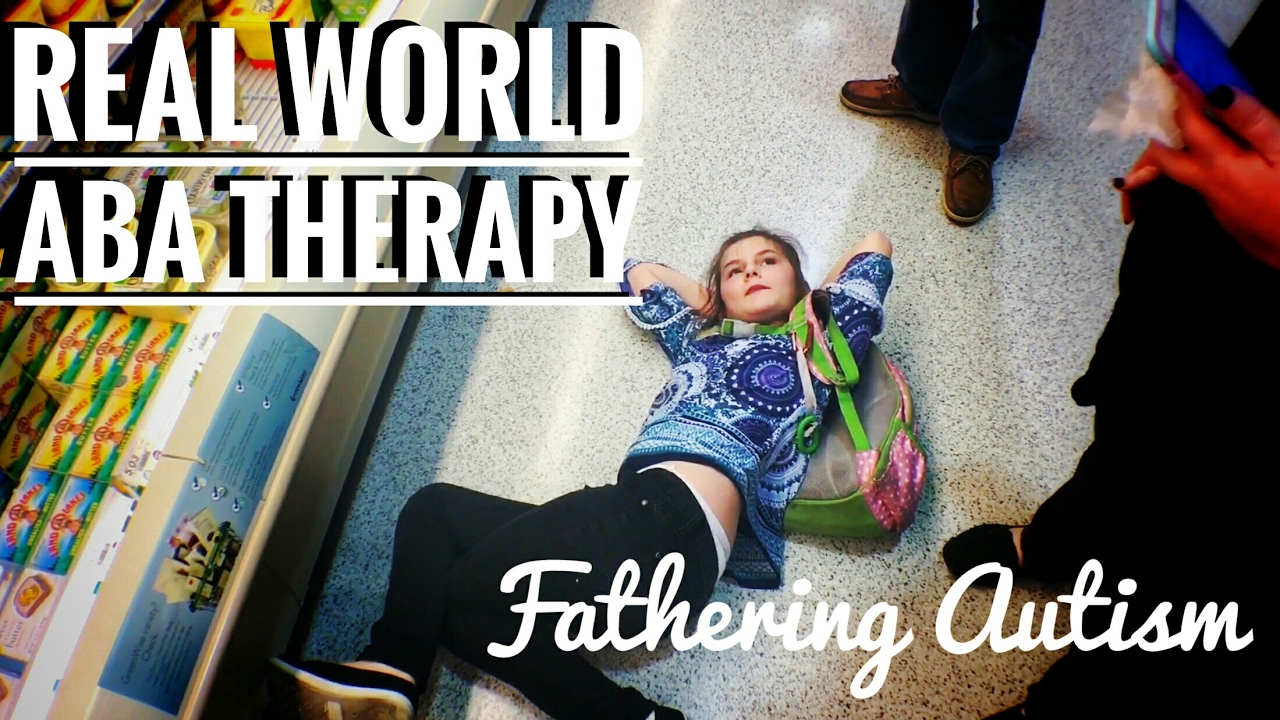
Safety comes first. Move to a quieter area or step outside if needed. Use a calm voice and minimal language, and offer a break, headphones, or a comfort item. A Vanderbilt-led study found sensory sensitivity tied to a measurable physiological stress response in unfamiliar, crowded situations, so this reaction is physiological, not defiance. Don’t add new demands in the moment, and don’t treat leaving early as a failure. Regulation comes before finishing the list, every time.
Once you’re home, praise the effort specifically: “You did something hard today.” A sticker on a “Store Hero” chart, a small predictable reward, or a favorite song in the car reinforces the trip as a success. This kind of positive reinforcement works best delivered right away and consistently. Keep the very next outing short, so it ends well too.
Real-World Example
One family working with our team used the visual grocery ring for three weeks straight, always starting with two-item trips under 10 minutes. By week four, their son tolerated an eight-minute trip with four items and no meltdown, holding his own “job” card the whole time. That change wasn’t luck. It came from consistent, small-scale exposure paired with visual supports and a predictable reward system, which is exactly how generalization is designed to work in Move Up ABA care plans.
Work With Your BCBA on ABA Strategies for Grocery Store Trips
Grocery skills can be built directly into ABA sessions, not left to chance at the store. A BCBA can teach functional communication like “break, please” or “all done,” build cart safety and waiting tolerance gradually, and adjust the plan after each real trip. Guidelines from the Behavior Analyst Certification Board and published ABA practice standards both call for generalizing skills learned in session into home and community settings, including everyday errands like grocery shopping. We build these community goals into care plans for families across Maryland and Virginia, so what your child practices in session actually shows up at the store.
These strategies support, but don’t replace, your child’s individualized plan. Always coordinate specific goals with your child’s clinical team.
Want the checklist version? We turned these steps into a printable Grocery Store Success sheet, with a blank spot for your child’s own grocery ring cards, so you can stick it on the fridge before trip number one. Grab it from our resource library.
FAQs
What are good grocery shopping tips for autistic kids?
Practice the routine at home first, use a visual picture list, pack a sensory comfort kit, and start with short two- or three-item trips before building up to a full shop.
Why does my autistic child melt down at the grocery store?
Grocery stores combine bright lighting, loud noise, and unpredictable crowds, which can overwhelm a child’s sensory system and trigger a stress response.
How long should a first grocery trip be for an autistic child?
Start with 5 to 10 minutes and two or three items, then gradually increase the time and list length as tolerance builds.
Can ABA therapy help with grocery shopping with an autistic child?
Yes. A BCBA can teach functional communication, cart safety, and waiting tolerance in session, then help generalize those skills into real grocery trips.
What should I do if my child has a meltdown in the store?
Move to a quieter spot, use a calm voice, offer a comfort item, and leave early if needed. Regulation matters more than finishing the shopping list.
Sources:
- https://www.cdc.gov/autism/hcp/diagnosis/index.html
- https://www.ncbi.nlm.nih.gov/books/NBK448042/
- https://www.ncbi.nlm.nih.gov/pmc/articles/PMC4917546/
- https://afirm.fpg.unc.edu/wp-content/uploads/Visual-Supports-Brief-Packet.pdf
- https://pubmed.ncbi.nlm.nih.gov/25081593/
- https://www.bacb.com/wp-content/uploads/2022/01/Executive-Summary_230412-a.pdf
- https://neurosciences.ucsd.edu/centers-programs/autism/_files/about-autism/casp-aba-asd-practice-guidelines-2014-2020.pdf