
Autism conversations often focus on challenges. Less attention is given to positive emotional experiences. Yet research and lived experience show that joy plays a central role in autistic identity and wellbeing.
Autistic joy refers to recognizing the unique ways autistic individuals experience happiness, engagement, and fulfillment—and creating environments that support those experiences.
This article explains Autistic Joy: What It Is and How to Cultivate It, what research and community perspectives say, and how families and professionals can support meaningful joy.
What Is Autistic Joy?
Autistic joy begins with understanding that joy may look different across individuals. Autistic joy can include:
- Deep focus on special interests
- Repetitive movements that regulate emotion
- Excitement over patterns, numbers, or specific topics
- Comfort in predictable routines
- Sensory experiences that feel calming
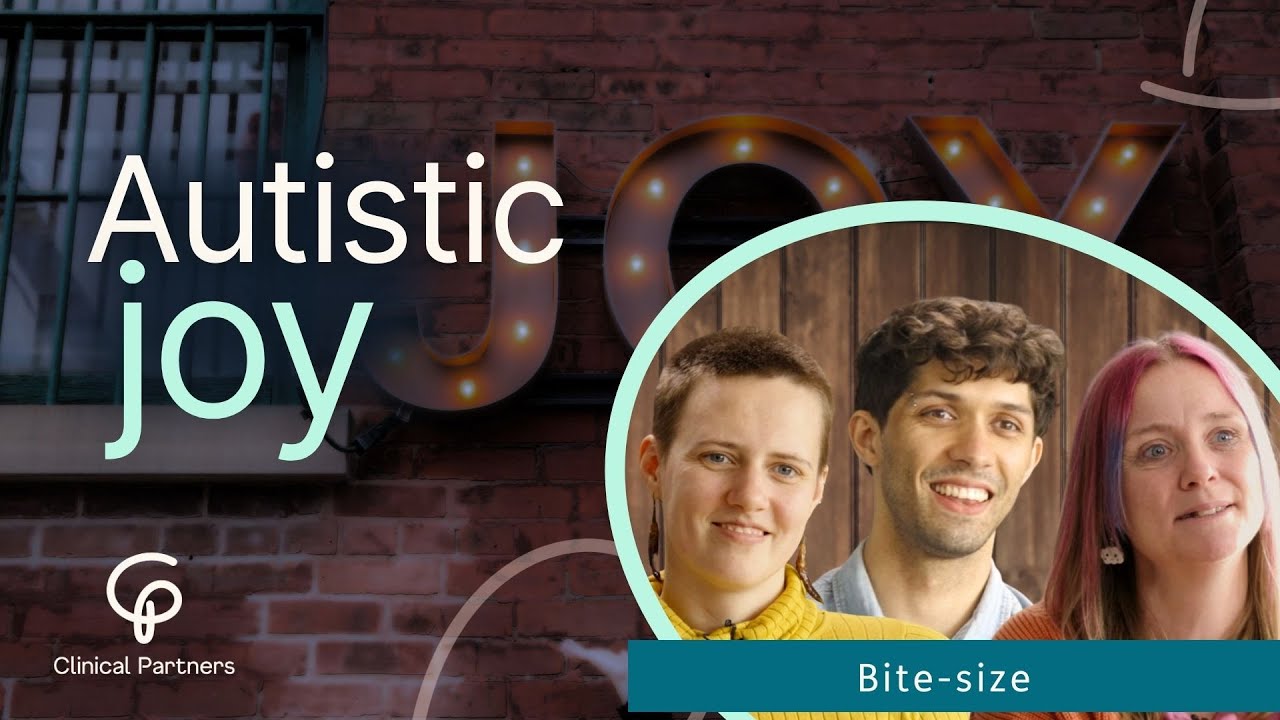
Autistic Parents UK describes autistic joy as the freedom to express happiness authentically without masking or suppression. This perspective centers acceptance rather than correction.
Why Autistic Joy Matters
Research links positive emotional experiences to improved mental health outcomes. A 2025 article in Psychology Today highlights that autistic individuals often report strong joy when engaging with interests, sensory preferences, and supportive communities.
Positive affect is associated with:
- Reduced anxiety
- Stronger social connection
- Increased resilience
Understanding autistic joy: what it is and how to cultivate it supports emotional wellbeing.
How Autistic Joy May Look Different
Joy may not always appear as typical outward excitement. For some individuals, autistic joy may look like:
- Quiet concentration
- Repetitive movement such as rocking
- Detailed conversation about a favorite topic
- Collecting and organizing items
Stimpunks define autistic joy as delight in authenticity and self-expression without pressure to conform. Recognizing these expressions prevents misinterpretation.
The Role of Special Interests
Special interests are often central to autistic joy. Research shows that engaging in preferred interests can:
- Increase motivation
- Improve learning
- Reduce stress
- Strengthen identity
In behavioral therapy, interests are often used as reinforcement. Instead of limiting special interests, structured programs can integrate them into skill-building.
Case Example: Interest-Based Engagement
Child profile:
- Age 9
- Intense interest in astronomy
- Limited peer interaction
Intervention approach:
- Integrate astronomy themes into reading tasks
- Create social group focused on space topics
- Use interest as conversation starter
Outcome:
- Increased peer participation
- Expanded language use
- Improved classroom engagement
This reflects autistic joy through structured support.
The Connection Between Autistic Joy and Emotional Regulation
Positive emotional states support nervous system regulation. When autistic individuals feel safe and engaged:
- Cortisol levels may decrease
- Self-regulation improves
- Behavioral outbursts may reduce
Research on wellbeing consistently shows that positive emotion buffers stress responses. Encouraging autistic joy supports regulation rather than suppression.
How to Cultivate Autistic Joy at Home
Autistic joy can be supported through practical steps.
1. Respect Special Interests
Allow time for focused engagement. Use interests as teaching tools.
2. Support Sensory Preferences
Identify sensory inputs that feel calming.
Examples:
- Weighted blankets
- Specific textures
- Controlled lighting
3. Reduce Masking Pressure
Masking refers to suppressing autistic traits to appear neurotypical. Research suggests masking is associated with increased stress. Creating safe spaces allows authentic expression.
4. Encourage Predictable Routines
Predictability can increase emotional safety. Schedules and visual supports promote stability.
How ABA Can Support Autistic Joy
Behavioral therapy does not aim to remove joy. Modern ABA emphasizes:
- Reinforcement of positive behaviors
- Integration of child interests
- Social skills through meaningful interaction
- Skill-building aligned with individual strengths
By incorporating preferred activities, therapy can promote engagement and positive emotion.
School-Based Support for Autistic Joy
Educators can cultivate joy by:
- Incorporating interests into assignments
- Allowing flexible sensory accommodations
- Supporting peer acceptance
- Recognizing diverse expressions of happiness
Positive school environments support autistic joy.
When Joy Is Misinterpreted
Some joyful expressions, such as hand flapping or vocal excitement, may be misread as disruptive. Research and advocacy groups emphasize distinguishing between harmful behaviors and self-regulating joyful behaviors. Understanding context is critical.
Conclusion
Autistic joy involves recognizing authentic expressions of happiness and creating environments that support emotional safety, engagement, and strengths.Research and lived experience highlight that joy grows when individuals feel understood and accepted.
At Move Up ABA, our clinicians design individualized programs that integrate strengths, interests, and positive reinforcement strategies. If you want support that respects your child’s individuality while building meaningful skills, schedule a consultation with Move Up ABA today.
Let’s work together to support growth rooted in engagement and authentic wellbeing.
FAQs
What is autistic joy?
Autistic joy refers to authentic expressions of happiness rooted in interests, sensory preferences, and self-expression.
How can families cultivate autistic joy?
By respecting interests, supporting sensory needs, and reducing pressure to mask.
Does therapy remove autistic joy?
Modern evidence-based therapy integrates interests and positive reinforcement to support engagement.
Why is autistic joy important?
Positive emotional experiences support mental health, regulation, and resilience.
Can schools support autistic joy?
Yes. Inclusive practices and interest-based learning promote positive engagement.
Sources
- https://www.autism.org.uk/advice-and-guidance/about-autism/autism-and-communication
- https://www.autisticparentsuk.org/post/autistic-joy
- https://www.autisticparentsuk.org/post/autistic-joy
- https://www.psychologytoday.com/us/blog/positively-different/202506/what-brings-autistic-people-joy
- https://stimpunks.org/glossary/autistic-joy/
- https://www.ncbi.nlm.nih.gov/books/NBK609098/
- https://pmc.ncbi.nlm.nih.gov/articles/PMC10500443/
- https://uwaterloo.ca/news/media/research-suggests-mask-wearing-can-increase-struggles-social