

Two weeks of no school sounds like a gift. Then day one arrives, the bus does not come, the therapy hours shift, and the plan everyone was relying on quietly disappears. That gap is where most spring break stress starts, and it is one of the most common questions families bring to our ABA therapy [&...
Autism

December turns a predictable house into a moving target. Furniture shifts to make room for a tree or a menorah. Lights blink. Relatives arrive with loud voices, unfamiliar smells, and a lot of questions. For a child who depends on knowing what comes next, that is a heavy load to absorb in four weeks...
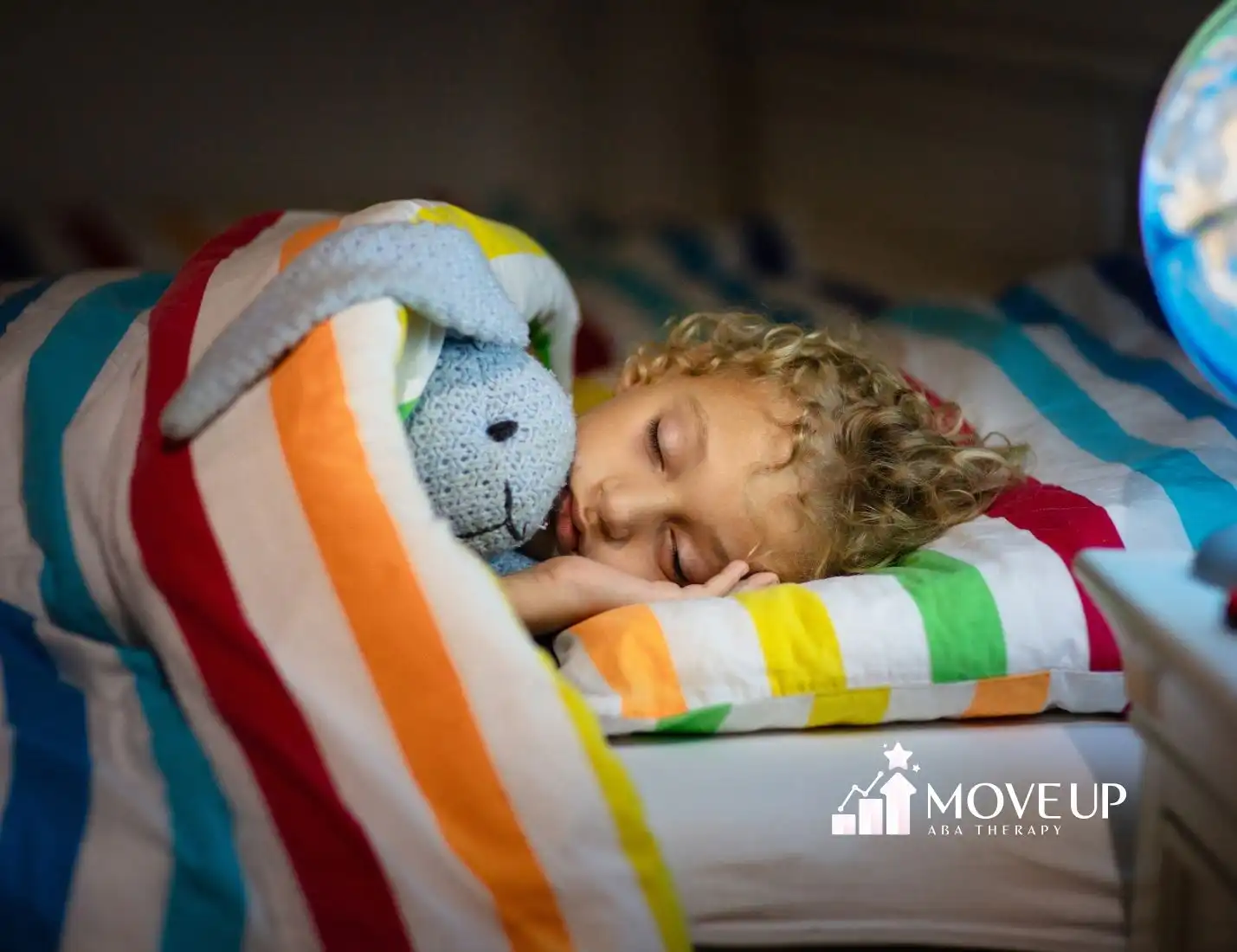
Sleep problems are dramatically more common for children with autism than for their peers, and they tend to stick around without a real plan in place. Rushing into sleep training without preparation usually backfires, more resistance, more inconsistency, more exhaustion for everyone. This guide walk...
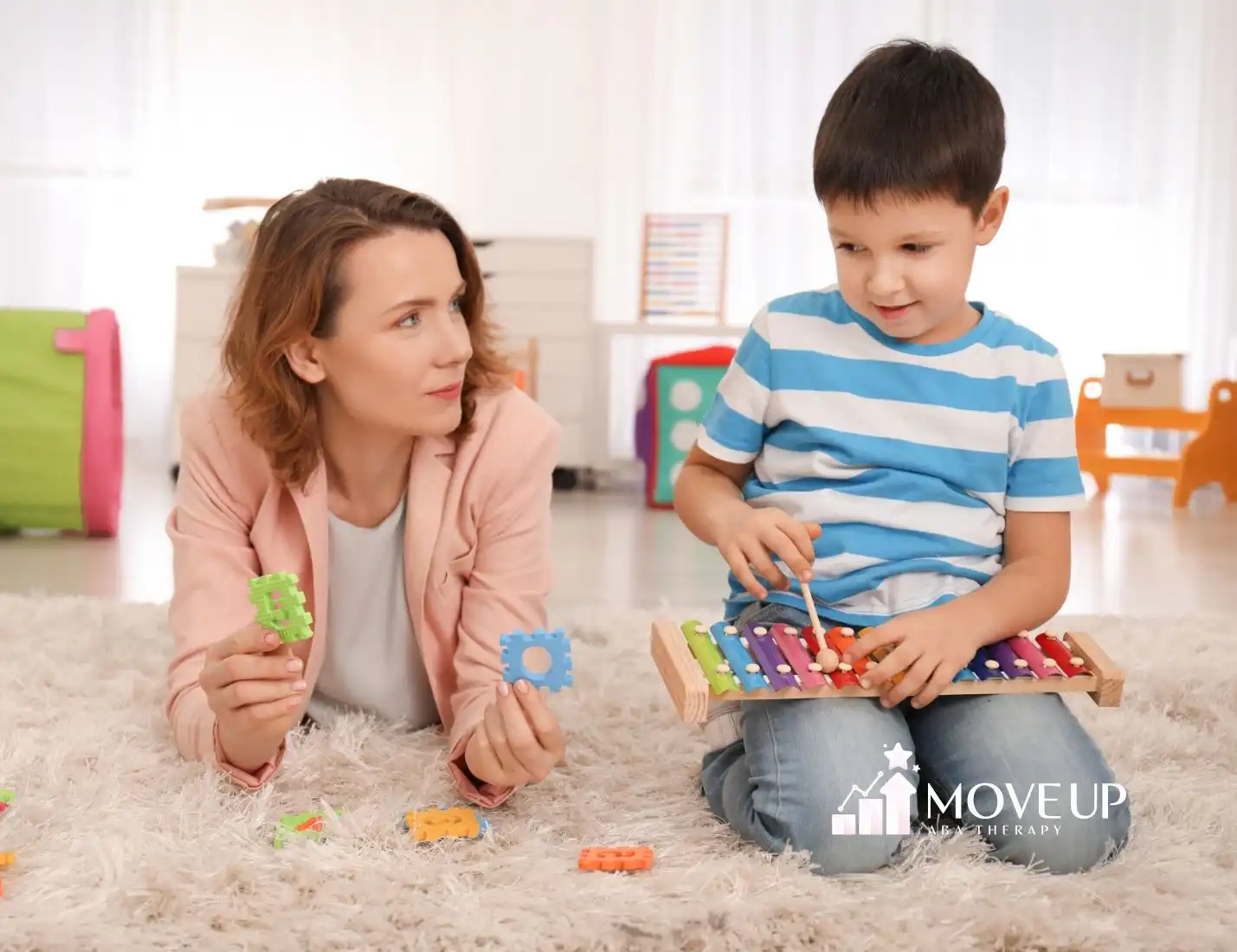
Receiving an autism diagnosis for your child can bring up a lot at once: relief that you finally have an answer, grief for expectations you’re recalibrating, fear about what comes next, sometimes all in the same afternoon. That’s completely normal, and none of it means you’re not...

Discover how to help your autistic child get ready for their first haircut using simple preparation, sensory supports, and realistic expectations....
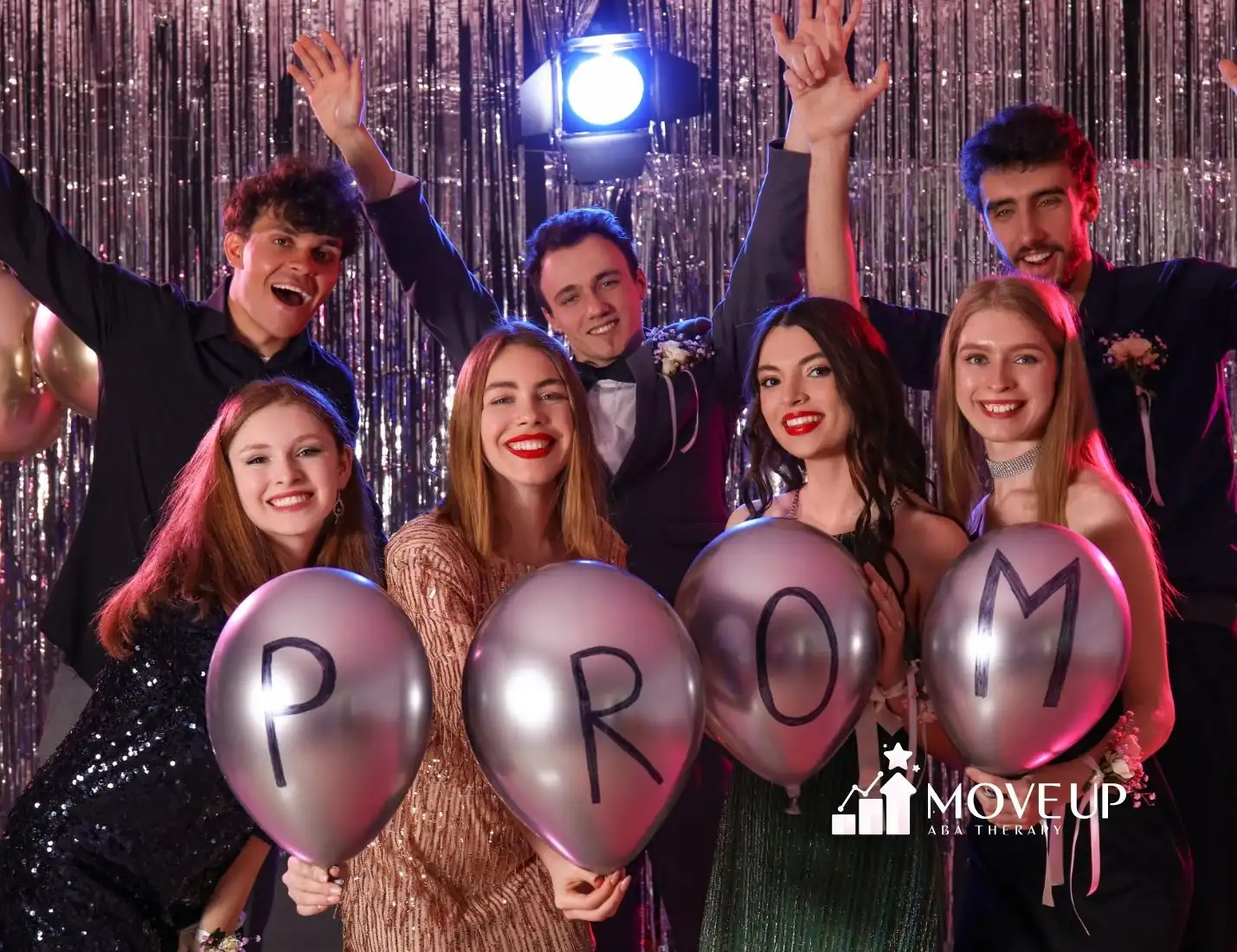
Prom is supposed to be a rite of passage, and for a lot of neurodiverse teens, it genuinely can be, with the right preparation. It can also be, as one psychologist working with autistic teens once put it, “a collection of the worst possible sensory experiences” a person can encounter: lo...

The turkey is not the hard part. The doorbell is. So is the sage smell in a kitchen that usually smells like nothing, the cousin who wants a hug, and the four unstructured hours between arrival and dinner. Autism Thanksgiving planning means preparing an autistic child for a day that breaks every rul...

The grill is on. The neighbors are out. Somewhere a few blocks over, someone is testing a mortar shell at 4pm for no reason at all. Memorial Day weekend compresses almost every hard thing into 72 hours: broken routines, crowds, unfamiliar food, heat, open water, and sudden noise. Autism and firework...
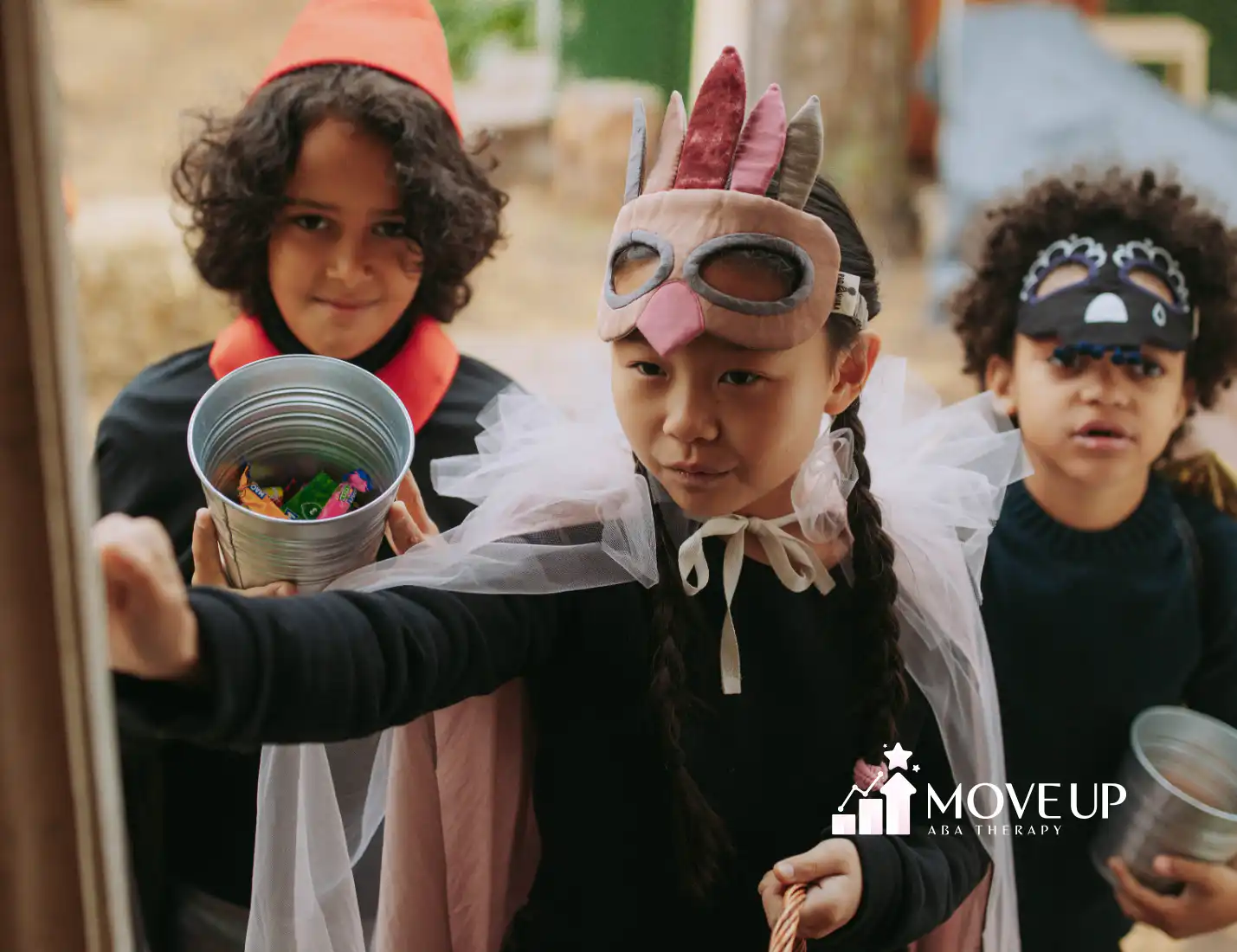
Pumpkin patches. Costume try-ons. A pillowcase promising more candy than one kid could ever need. Halloween sounds simple until you picture it through a different nervous system. Scratchy costumes, packed sidewalks, strangers in masks, and a schedule that throws bedtime out the window: for an autist...