Strategies for Helping a Child with Autism Navigate a Birthday Party
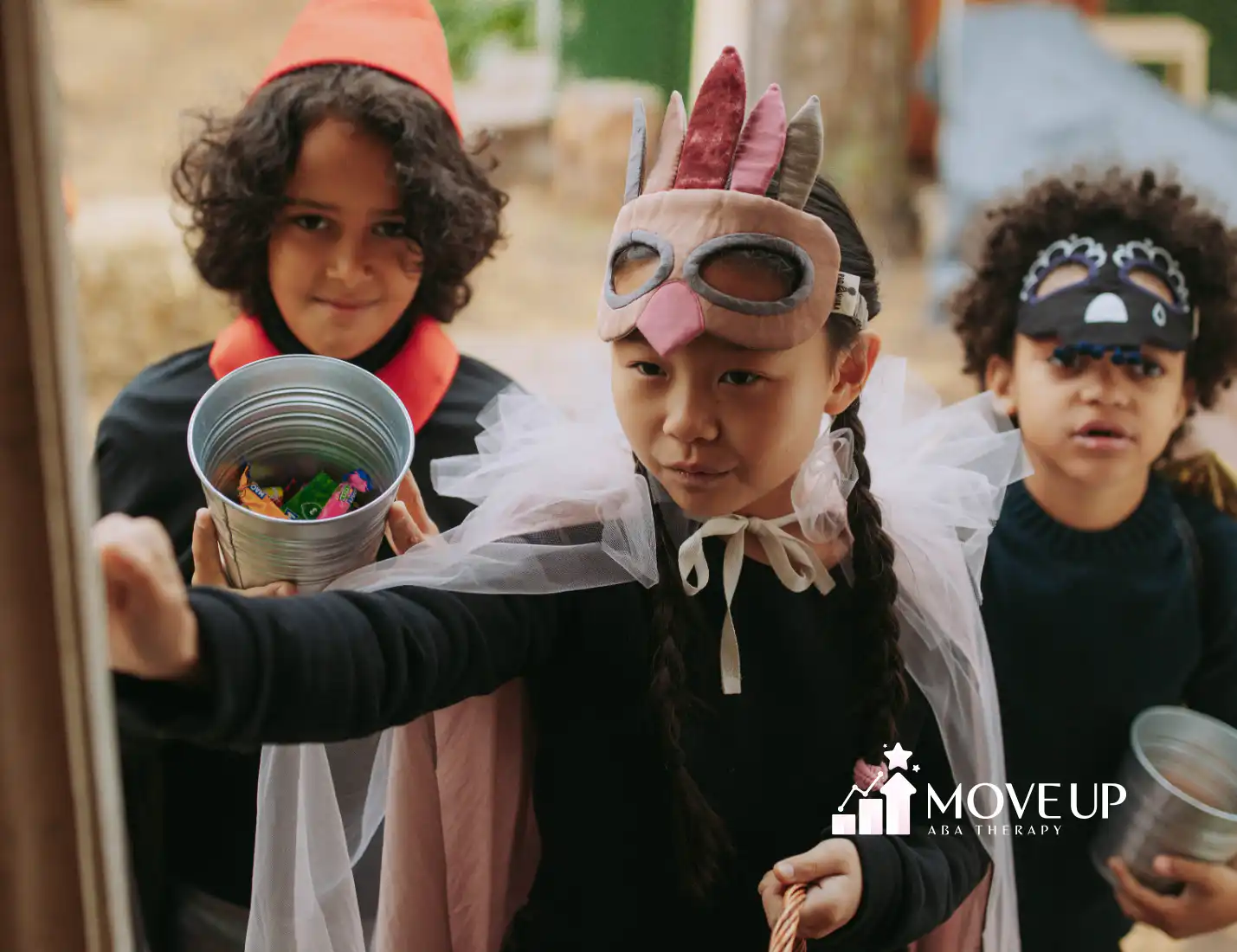
Birthday parties can be exciting but challenging events for children with autism. Social expectations, sensory input, and unpredictable activities often make these celebrations overwhelming. With thoughtful planning and helpful supports, caregivers can help children engage more comfortably and confidently in these social experiences.
Preparation Before the Party
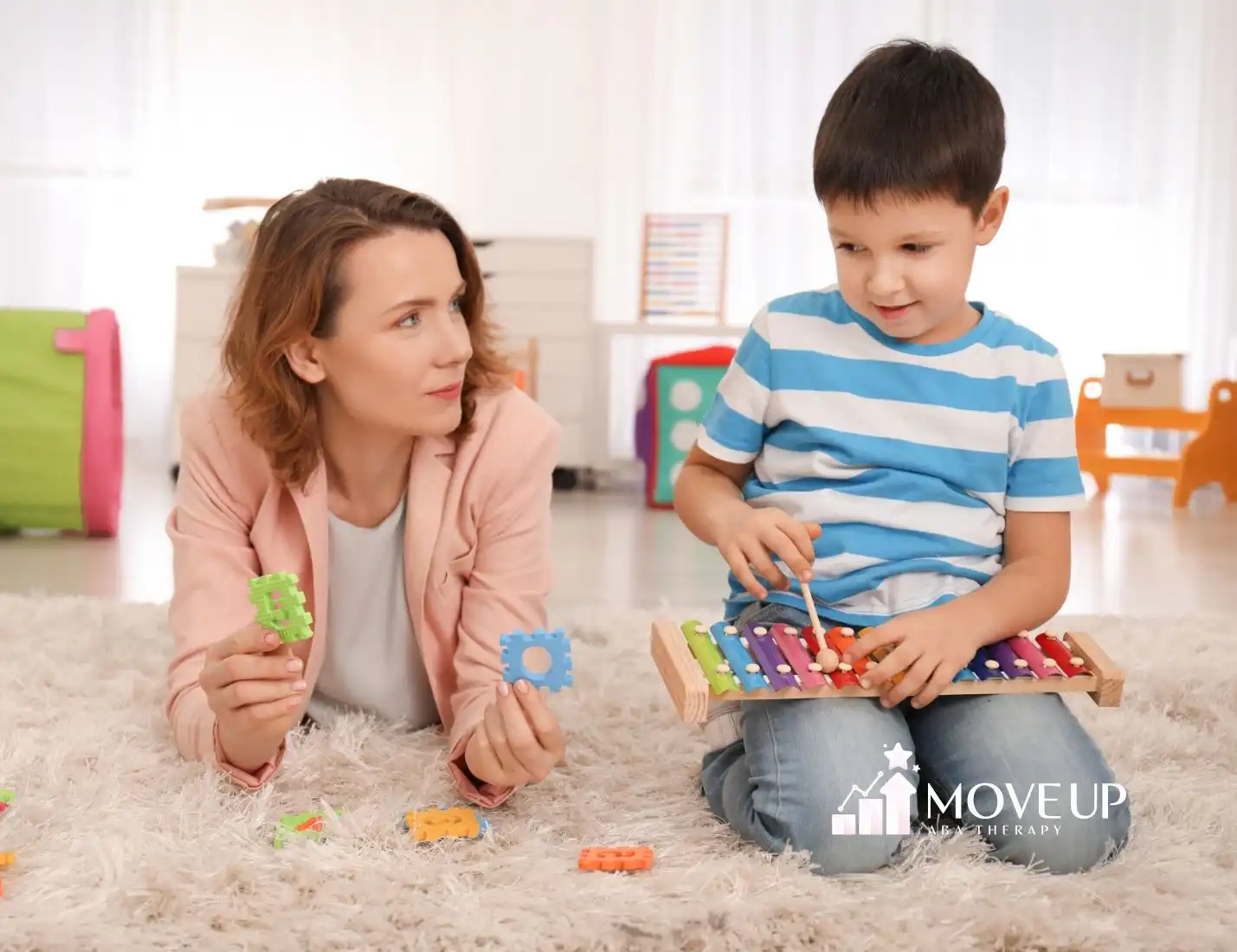
Preparation is a key first step in helping a child with autism understand what to expect. Talk about the party ahead of time, including where it will take place, who will be there, and what activities might happen. Visual supports like picture schedules or social stories—a research-based tool that explains social situations with simple language and images—help children anticipate events and reduce anxiety.
Practice common social moments such as greeting, taking turns, or saying thank you. Role-playing these interactions at home helps children build confidence before the real event.
Sensory and Environmental Supports
Many children with autism have sensory sensitivities. Loud music, bright lights, and crowded spaces can overwhelm them quickly. Making sensory adjustments can help:
-
Create a Quiet Space: Set aside a low-stimulus area where the child can take breaks if overwhelmed.
-
Use Comfort Tools: Noise-canceling headphones, familiar toys, or sensory tools can support self-regulation.
-
Manage Noise & Lighting: Keep music low, avoid sudden loud sounds, and use gentle lighting when possible.
Planning structured activities and calm stations—such as crafts or simple games—helps provide predictability and reduces stress from unstructured play.
During the Party
Staying close and offering encouragement reinforces comfort and safety. It’s okay to arrive early so your child can acclimate to the environment before it fills with people. Caregivers may need to leave earlier than others if the child becomes overwhelmed—shorter attendance is still a successful social experience.
Proactively collaborating with the host about your child’s needs—such as sensory breaks or food preferences—also creates a more inclusive space.
Conclusion
Birthday parties can be stimulating social environments for children with autism, but structured preparation and supportive strategies make a meaningful difference. By planning ahead, addressing sensory needs, and allowing flexibility during the event, families can help children participate in ways that feel safe and manageable while building real-world social skills.
At Move Up ABA, we provide evidence-based ABA therapy for families across Maryland and Virginia. Our team helps children build social, communication, and coping skills that support success in real-life situations—at home, school, and community events like birthday parties.
FAQs
Q: What is a social story, and how does it help?
A social story is a simple narrative with visuals that describes a social situation step by step. It helps children with autism understand what will happen and what they can do, reducing anxiety before events like birthday parties.
Q: Should the party be shorter for a child with autism?
Yes. A shorter attendance or arriving before the crowd builds can prevent sensory overload and make the experience more positive overall.
Q: What if my child doesn’t want to participate in games?
Offer alternative quieter activities or allow your child to observe until they feel comfortable. It’s important to respect their pace and comfort level.
Q: How can I support sensory needs at a party?
Bring comfort items (e.g., noise-canceling headphones, favorite toy), plan sensory breaks in a quiet area, and choose or adjust activities to reduce loud sounds or bright lights.
Q: Can preparation help reduce anxiety about birthday parties?
Yes. Talking about the party ahead of time, using visual schedules, and practicing common social routines contribute to better understanding and lower stress.
–
Sources:
- https://www.autismspeaks.org/what-autism
- https://raisingchildren.net.au/autism/behaviour/understanding-behaviour/sensory-sensitivities-asd
- https://theautismservice.co.uk/what-is-sensory-overload/
- https://raisingchildren.net.au/autism/therapies-guide/visual-supports
- https://www.autismspeaks.org/applied-behavior-analysis