

Starting therapy begins long before your child’s first session. It begins with intake. The ABA intake process is the series of steps that move a family from a first phone call to approved, ongoing therapy: the intake call, document collection, insurance verification, authorization, and the ini...
Blog

A double ear infection with no crying. A fractured wrist discovered days later. Parents of autistic children tell versions of this story all the time. Autism pain tolerance refers to the way many autistic children register or express pain differently than expected. They feel pain, but the signal may...

Fluorescent lights. Beeping scanners. A cart with a squeaky wheel. For most people, that’s just Tuesday. For an autistic child, it can be sensory overload from the moment the automatic doors open. Grocery shopping with an autistic child gets easier with the right preparation, not willpower. Th...
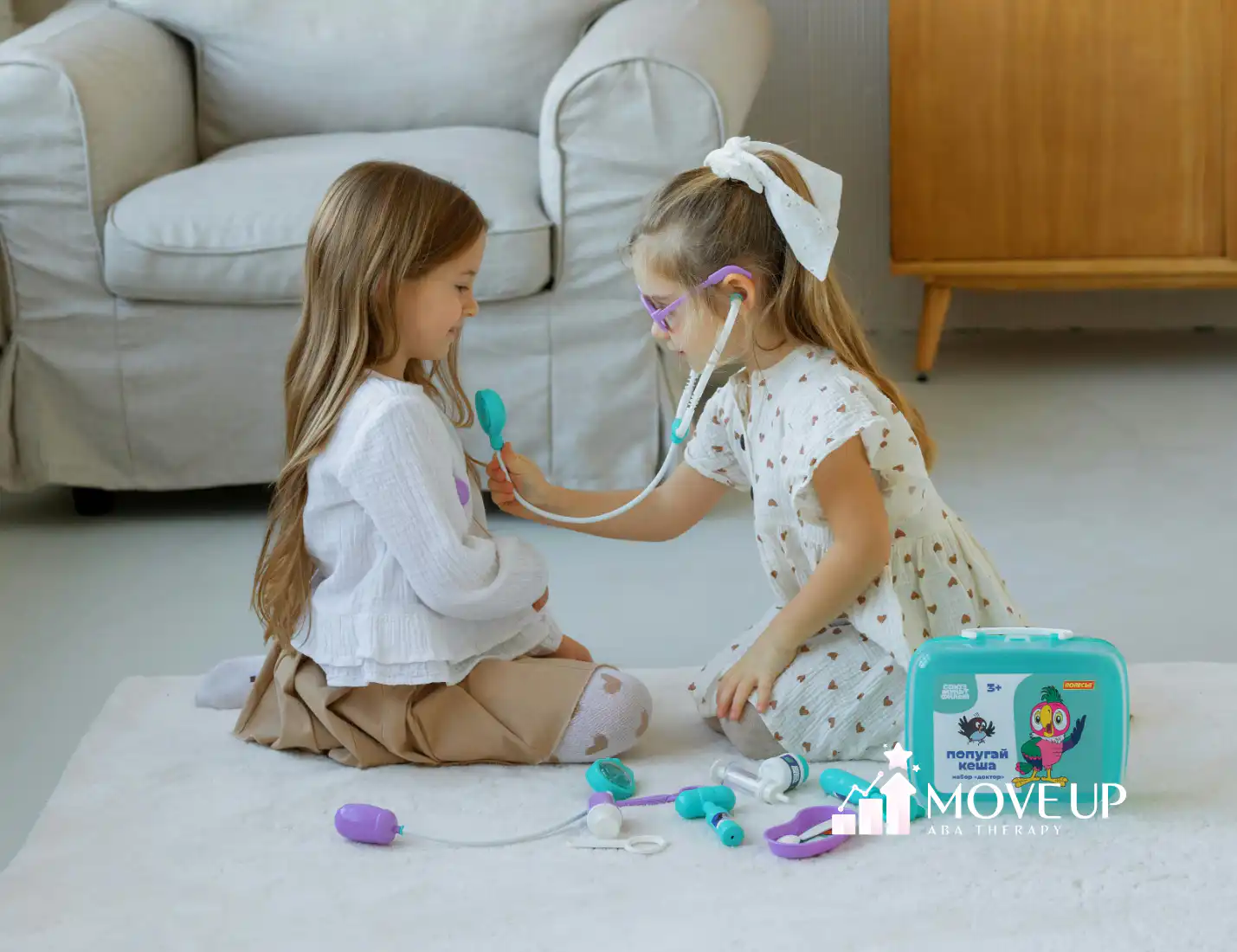
A fever spikes at midnight. A fall happens at the playground. There’s no script for when an ER trip becomes necessary, and for the families we work with every day, the visit itself can feel like the hardest part of the emergency. Emergency room tips for autistic children center on three things...

Elementary school graduation ceremonies are not part of a normal school day. For a lot of autistic students, that alone makes them hard. New sounds, unfamiliar schedules, a gown that itches, a crowd that will not stop moving. None of that has anything to do with whether a child is ready to graduate ...

High school graduation is longer, more formal, and more public than anything an autistic student has likely sat through before. Multiple speeches, hundreds of names, a stage in front of the whole community. For an elementary student, the goal is usually getting through the day with the right adult n...

When a child hits themselves, it’s often a sign of distress, frustration, or sensory overload, not defiance. The first step is to stay calm and ensure safety. Gently block the behavior if needed, and remove triggers from the environment. Avoid reacting with anger, which can escalate the situation....

If your child laughs during a serious reprimand, it may feel confusing or disrespectful, but it’s often not intentional. For many autistic children, laughter can be a stress response. When emotions run high, the brain may trigger laughter as a way to cope with anxiety, sensory overload, or difficu...

When your child is newly diagnosed with autism, asking the right questions can help you build a strong foundation for support. Start by asking: What therapies are recommended for my child’s needs? This helps guide early intervention. Next, ask: How do I choose the right ABA provider? Look for prog...