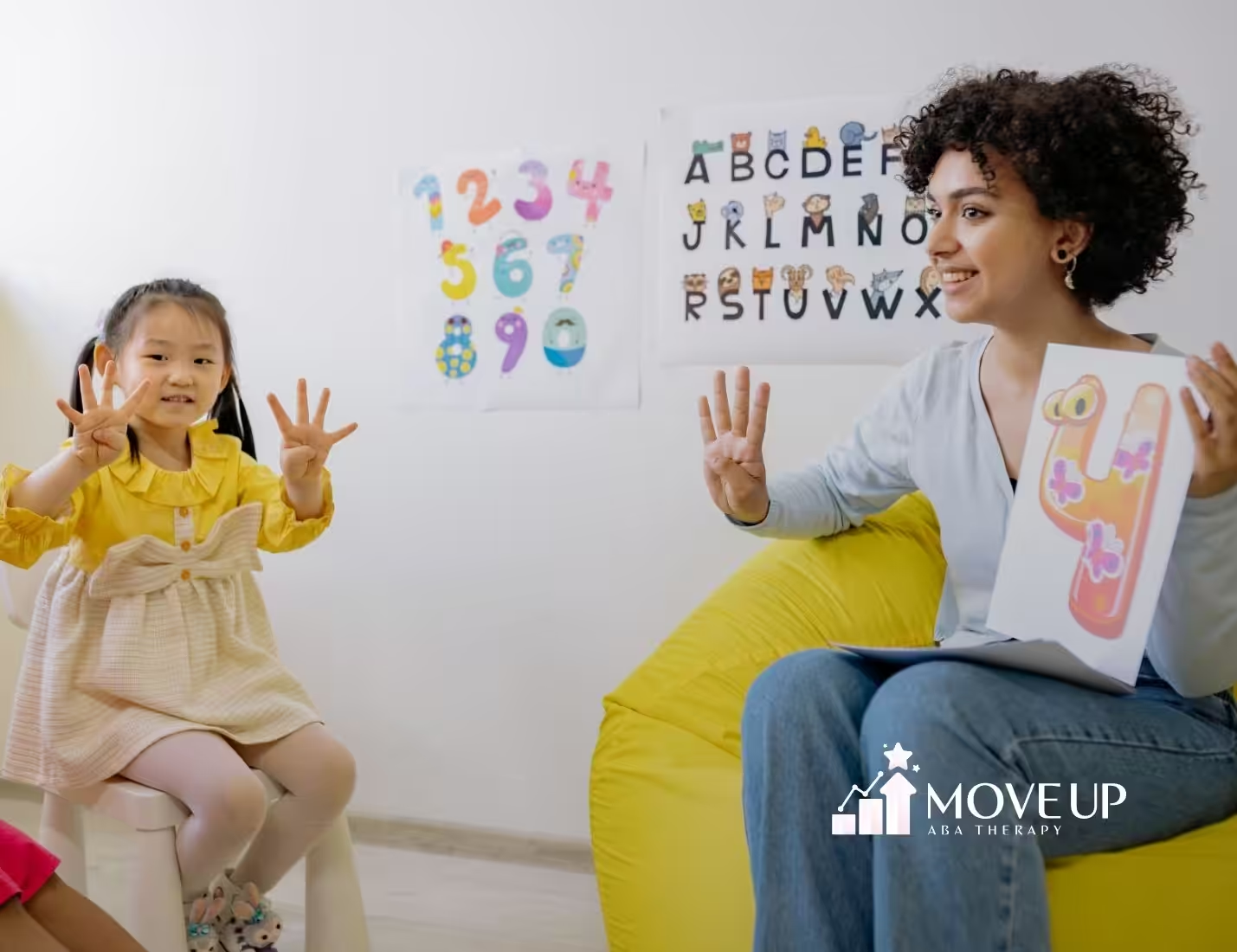
Picture a Tuesday morning at a busy daycare. Twelve children at tables, crayons everywhere, someone crying in the corner over a snack swap. A staff member is managing three conversations at once. And somewhere in that organized chaos, a four-year-old with autism is struggling to stay at the table long enough to finish a simple task.
Now picture that same morning, with one addition: a Registered Behavior Technician sitting beside that child. Not pulling them out of the room. Not running drills in a separate space. Just there, present, using a set of carefully designed strategies to help that child do what the rest of the room is doing. That is RBT Support in Your Daycare, and it is one of the most practical early intervention models available to families today.
Quick Answer: What Is RBT Support in Your Daycare?
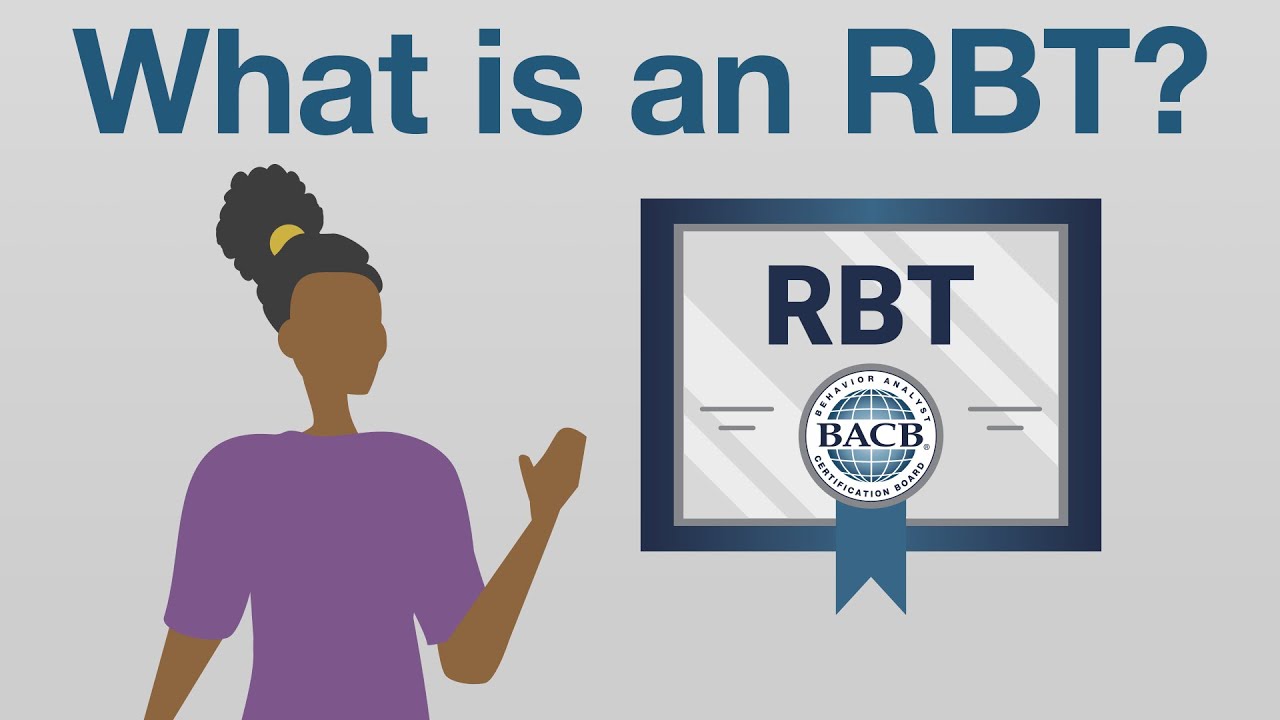
RBT Support in Your Daycare means a Registered Behavior Technician, supervised by a Board Certified Behavior Analyst (BCBA), works alongside a child inside their existing childcare setting. The RBT follows an individualized behavior support plan, integrates ABA strategies into the child’s daily routines, collects data on progress, and stays in regular communication with both the daycare team and the child’s family. The goal is not a separate therapy hour. It is support woven into the natural environment where the child already spends their day.
Download the RBT Support in Your Daycare information guide here.
Why the Daycare Setting Matters for Early Intervention
There is a reason the research keeps pointing back to natural environments. A landmark study in the Journal of Applied Behavior Analysis found that naturalistic ABA approaches produce stronger generalization of skills than clinic-only models. When a child learns to wait their turn at the snack table rather than in a therapy room, they are far more likely to wait their turn at the snack table tomorrow. Skills build where they are needed.
For many families, daycare is the first place outside the home where developmental differences become visible. The CDC recommends early intervention starting as soon as possible for children with developmental differences, and daycare is frequently the setting where that window opens. RBT Support in Your Daycare meets that moment instead of waiting for a clinic appointment to fill it.
What the Partnership Actually Looks Like
The most important thing to understand about RBT Support in Your Daycare is that it does not replace the daycare team. It works alongside them.
When an RBT from Move Up ABA arrives at a center, they are not walking in as a visitor. They are becoming a working member of that room. That means learning the daily schedule, understanding which children share the space, knowing which activities trigger which responses, and following the center’s existing routines and expectations without exception. The daycare remains in charge of the room. The RBT is there to support one child’s goals within it.
The daycare team’s role is active. Sharing what works in the classroom, what might be setting off difficult behaviors, and how a particular child tends to move through the day gives the RBT the context they need to do the job well. The most effective RBT Support in Your Daycare partnerships are the ones where the daycare staff and the ABA team genuinely communicate daily, not just in written reports.
What Families and Daycare Directors Can Expect From Move Up ABA
Move Up ABA structures its in-daycare model around six commitments, and it is worth knowing what each one means in practice.
A BCBA supervises every case, either by visiting the daycare directly or through telehealth. That BCBA is responsible for designing the behavior support plan, adjusting it as the child makes progress, and keeping both the family and the daycare informed. The RBT does not operate independently; there is always a qualified clinician behind the plan.
The support is individualized and evidence-based. No two children receive the same plan. Strategies are drawn from what the research identifies as effective, built around that specific child’s goals, and integrated into activities already happening in the room, not imposed on top of them.
Communication stays open. The daycare will have a direct contact at Move Up ABA for questions, scheduling changes, or concerns. The family receives regular updates. There are no information silos in a functioning RBT Support in Your Daycare model.
Progress is data-driven. The RBT collects data during every session. That data goes to the BCBA, who uses it to guide clinical decisions. Families and daycare staff do not have to guess whether the plan is working because there is always a record of what the numbers show.
Finally, Move Up ABA approaches each daycare as a partner, not a guest. Early childhood educators bring expertise that ABA clinicians do not have. The RBT is there to support the child while respecting the classroom culture, the staff’s authority, and the daily rhythms the center has built.
Two Teams, One Goal: Understanding Who Does What
One of the clearest breakdowns in RBT Support in Your Daycare programs is confusion about who is responsible for what. That confusion tends to dissolve when the roles are spelled out simply.
Daycare staff continue to run the room. They set the schedule, facilitate social play, manage mealtimes, and handle toileting as part of their regular duties. They provide the structure that shapes the child’s day.
The ABA RBT shadows the child within that structure. They prompt the child to engage with activities, model social interactions, implement visual supports that help with transitions and communication, and track data on specific behavioral goals. If the child has a scheduled toileting routine as part of their behavior plan, the RBT assists with the handwashing and eating components while daycare staff handle the primary care.
This division is not arbitrary. It reflects what research on naturalistic developmental behavioral interventions consistently recommends: embedding ABA strategies into the existing environment rather than separating the child from it.
What the Research Says About This Model
The evidence behind in-setting ABA support is substantial. A 2020 review by the National Clearinghouse on Autism Evidence and Practice identified naturalistic intervention as an established evidence-based practice for autistic children and youth. Techniques like prompting, reinforcement, modeling, and visual supports, which are exactly the tools an RBT uses in a daycare room, meet the research standard for effectiveness.
A case study in the Journal of Early Intervention followed children receiving ABA-based support in inclusive early childhood settings and found improvements in social communication, task engagement, and adaptive behavior that held up over a follow-up period. The reason those gains lasted is the same reason the model makes intuitive sense: skills built in the real setting are practiced in the real setting every single day.
The American Academy of Pediatrics frames it clearly, recommending that early behavioral intervention happen as early as clinically appropriate, in environments that reflect the child’s natural life. Daycare is exactly that.
When This Kind of Support Makes Sense
RBT Support in Your Daycare tends to be the right fit in a few specific situations. A child has an autism diagnosis or a documented developmental delay and is already enrolled in daycare or is about to be. The family wants ABA services without disrupting the daycare routine the child has already adjusted to. The daycare team has noticed behavioral or developmental patterns they do not have the training to address alone. Or a BCBA has recommended naturalistic ABA services as the appropriate level of care.
Move Up ABA accepts most major insurance plans and works directly with families to confirm and coordinate coverage.
Everyone at the Table
The most consistent finding across early intervention research is that coordinated team approaches produce the strongest outcomes. When the BCBA designs the plan, the RBT carries it into the room, the daycare staff provide the context and the structure, and the family stays informed and involved, children make the kind of progress that lasts.
RBT Support in Your Daycare is built on exactly that model. Not one person doing everything, but the right people doing the right things together.
Move Up ABA’s full library of printable guides, behavior support resources, and family materials is available on the Move Up ABA Resources page.
Download the RBT Support in Your Daycare Guide!
A printable version of the RBT Support in Your Daycare information guide is attached to this post. Share it with your daycare director, pass it to families who are asking the same questions, or keep a copy on file for reference when the conversation comes up.
Let’s Start the Conversation
The Tuesday morning with the overwhelmed staff member and the child who cannot stay at the table does not have to end the same way every week. RBT Support in Your Daycare is a concrete, clinically grounded option, and the first step is a single conversation. Whether you are a parent whose child needs more support than the daycare can currently offer, or a daycare director trying to figure out what that support even looks like, Move Up ABA is a good place to start. Reach out through our contact page, and our team will walk you through the process, the logistics, and how quickly things can move forward|
FAQ
What is RBT Support in Your Daycare?
A model where a Registered Behavior Technician, supervised by a BCBA, delivers individualized ABA support inside a child’s existing daycare setting rather than in a separate clinic.
Who supervises the RBT?
A Board Certified Behavior Analyst (BCBA) supervises every case, either by visiting the daycare in person or through telehealth. The BCBA develops the treatment plan and updates both the family and the daycare on progress.
Does the daycare need to change its routines?
No. The RBT integrates into the daycare’s existing schedule and follows the center’s policies. Daycare staff continue to lead the room, and the RBT works within that structure.
What does the RBT actually do in the daycare?
The RBT shadows the child, provides prompts to support learning and social interaction, implements visual supports, collects behavioral data, and assists with eating and handwashing routines as specified in the behavior support plan.
Sources
- https://www.cdc.gov/autism/treatment/index.html
- https://pubmed.ncbi.nlm.nih.gov/26003167/
- https://publications.aap.org/pediatrics/article/145/1/e20193447/36917/Identification-Evaluation-and-Management-of
- https://pmc.ncbi.nlm.nih.gov/articles/PMC8510990/