
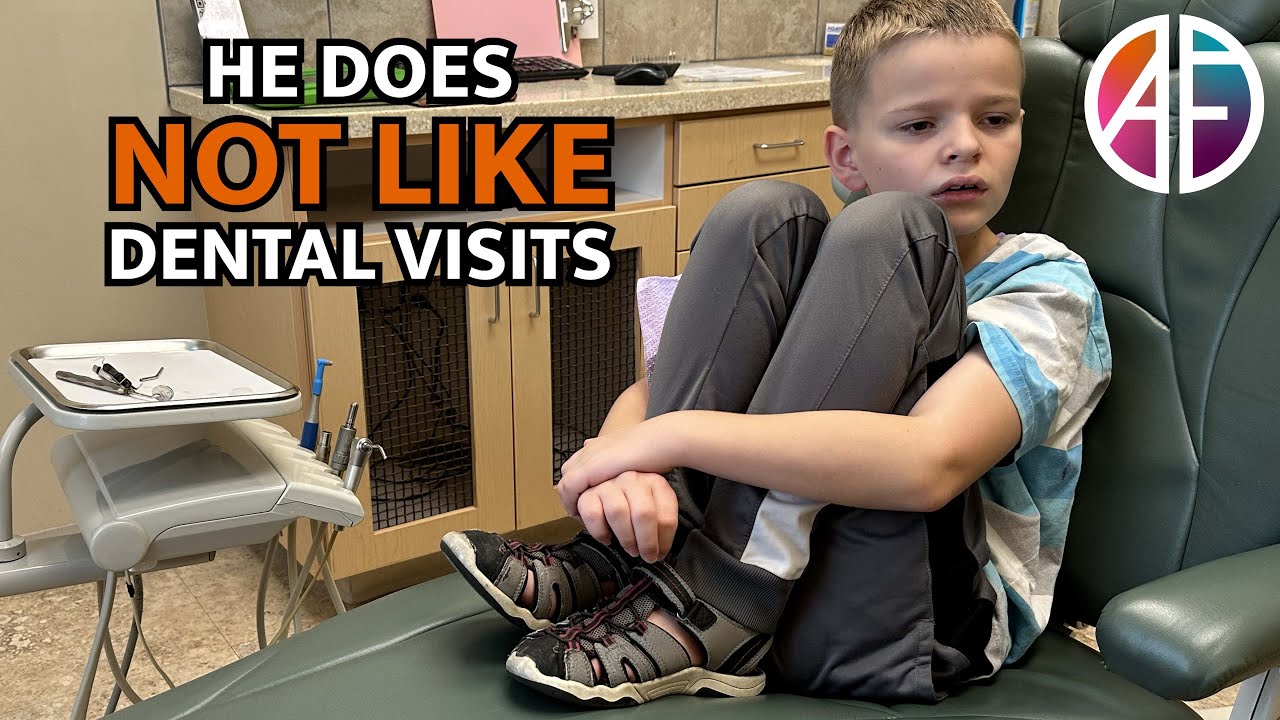
Most children do not love the dentist. But for an autistic child, a routine cleaning can feel like a full sensory assault — the overhead light, the unfamiliar sounds of drills and suction, a stranger’s gloved hands moving toward their mouth. What looks like non-compliance from the outside is often a nervous system that has simply hit its limit. The good news is that the same evidence-based strategies used in ABA therapy translate directly to the dental chair. These Dental Visit Tips: Evidence-Based ABA Supports for Autistic Children at the Dentist walk through what to do at home before the appointment, how to prepare the dental office, and what to bring to make the visit work.
Quick Answer: What Are Evidence-Based ABA Dental Visit Tips for Autistic Children?
Dental Visit Tips: Evidence-Based ABA Supports for Autistic Children at the Dentist are a set of structured preparation and in-visit strategies drawn from Applied Behavior Analysis. They include home-based desensitization practice, social stories, visual schedules, a packed sensory kit, pre-visit communication with the dental office, and reinforcement throughout the experience. Used together, they reduce dental anxiety and increase a child’s ability to tolerate and cooperate with dental care.
Download the full Dental Visit Tips guide and printable activity sheets here.
Why the Dentist Is So Hard — and Why It Does Not Have to Stay That Way
Research published in the journal Pediatric Dentistry found that autistic children experience significantly higher dental anxiety than non-autistic peers, with sensory sensitivities, communication differences, and difficulty predicting what will happen next as the primary drivers. A separate systematic review in the Journal of Autism and Developmental Disorders confirmed that unaddressed dental anxiety in autistic children often leads to avoided care, poorer oral health outcomes, and greater procedural distress over time.
The earlier families begin preparing for dental visits using ABA strategies, the more manageable the experience becomes. Desensitization is not instant, but it is cumulative. Every positive exposure builds tolerance for the next one.
Play Dentist at Home First
The most reliable way to make a dental visit less frightening is to make it familiar before the appointment ever happens. ABA calls this systematic desensitization, the gradual, repeated exposure to a feared stimulus in a low-stakes setting to reduce the anxiety response associated with it. The National Clearinghouse on Autism Evidence and Practice identifies desensitization and graduated exposure as established evidence-based practices for autistic children.
At home, that looks like this. Color the teeth yellow on a laminated mouth sheet using a dry-erase marker. Let your child “brush” them clean with an eraser and a toothbrush. Add stickers each time the teeth shine. Practice on a stuffed animal or doll so the dentist can “check their teeth first” before checking your child’s. None of these activities require expensive materials, but each one teaches the child that mouths and toothbrushes are predictable, manageable things.
Practice for X-Rays
X-rays are often the moment that derails an otherwise smooth visit, partly because the positioning feels strange and the equipment is unfamiliar. A simple game called “Tooth Pictures” makes the experience comprehensible in advance.
Use a straw or spoon held between the teeth for two seconds to mimic the film placement. Have your child wear a backpack to mimic the weight of a lead vest. Let their favorite toy “get the picture first.” Count “1-2-3 — all done” and then celebrate loudly. The goal is to associate the physical sensation and the countdown with something that ends in praise rather than something that ends in distress.
Call the Dental Office Before the Day
A phone call before the appointment changes what happens inside it. Dental offices that serve autistic patients are able to put accommodations in place — but only if they know the child is coming with specific needs.
When calling, share that your child is autistic and explain what helps: a quiet voice, short visits, and having steps explained before they happen. Request the first or last appointment of the day, when the office tends to be quieter. Ask about dimmed lights or reduced noise. Find out whether a preview visit — a short trip to see the space without any procedure — is possible, or whether your child can wait in the car until a room is ready. Hand the office your “About My Child” sheet, a brief written summary of your child’s calm strategies and known triggers. A 2019 study in Special Care in Dentistry found that dental teams briefed on a child’s sensory profile before an appointment reported significantly lower procedural disruption during the visit.
Pack Your Smile Kit
What you bring to the appointment is as important as what you do at home before it. The Smile Kit is a bag of items that serve as anchors — familiar, preferred objects that help the child stay regulated in an unfamiliar place.
A well-stocked Smile Kit for these Dental Visit Tips: Evidence-Based ABA Supports for Autistic Children at the Dentist includes noise-reducing headphones, a comfort toy, a preferred snack for afterward, sunglasses for the overhead light, a tablet loaded with a favorite video or game, a small preferred toy, a preferred toothbrush the child already knows, and a prize earmarked specifically for after the appointment. One detail worth noting: keeping one item exclusively for dental appointments means the child’s motivation to access it stays high. Novelty and exclusivity both increase the reinforcing value of an item, a principle backed by basic behavioral research on motivating operations in ABA.
During the Visit
Once inside the chair, the Dental Visit Tips: Evidence-Based ABA Supports for Autistic Children at the Dentist shift from preparation to in-the-moment management.
Display a simple visual schedule so your child knows exactly what comes next: Car → Waiting → Chair → Prize. Praise every single brave step specifically and immediately. “You opened your mouth — shiny work!” is more effective than a generic “good job” because specific labeled praise helps the child identify exactly which behavior earned the reinforcement, a well-established finding in ABA reinforcement research. Ask the dentist to demonstrate each tool or step on your child’s toy first. If anxiety builds, use short breaks and calm breathing before it escalates.
If Sedation Is Needed
Some children, despite thorough preparation, require dental sedation for safe and complete care. That is a clinical decision between the family, the BCBA, and the dental team, not a failure on anyone’s part.
If sedation is needed, explain it gently using language the child can understand: “You’ll take special sleepy breaths so your body can rest while the dentist helps your teeth.” Bring headphones, a blanket, and familiar visual supports to the appointment. Review a simple sedation social story in the days before the visit. The American Academy of Pediatric Dentistry has documented that pre-procedure preparation including social stories reduces procedural distress in children with developmental disabilities. Plan a “Tooth Hero Celebration” for afterward so the child has something concrete to look forward to.
After the Visit
What happens in the minutes and hours after a dental appointment shapes how the child remembers it, which directly affects how the next appointment goes. Take a smiling photo, add a sticker to the Tooth Hero Chart, and name exactly what your child did well. Celebrate with a special treat or a preferred outing. The visit just became evidence that dental appointments end in good things, and that memory is what you are building toward.
A 2015 case study in Research in Autism Spectrum Disorders followed autistic children through a structured pre-visit and post-visit reinforcement protocol and found that systematic reinforcement after dental appointments increased cooperation on subsequent visits across participants. The gains were cumulative: each successful visit built the tolerance and confidence for the next.
Parent Sparkle Checklist
Before the appointment, run through this quick checklist.
- Practice brushing and play dentist at home.
- Call the dental office ahead to share your child’s needs.
- Pack the Smile Kit and all comfort items.
- Review the visual schedule or social story together.
- Reward every brave step throughout the day, not just inside the office.
Move Up ABA’s full library of printable guides, visual schedules, and family resources, including the “About My Child” sheet template, is available on the Move Up ABA Resources page.
Download the Dental Visit Tips Guide
The full Dental Visit Tips: Evidence-Based ABA Supports for Autistic Children at the Dentist guide, the printable laminated Smile Sheet activity, and the Teddy Bear Dental X-Ray practice visual are all attached to this post. Print the Smile Sheet, laminate it, and keep it on the bathroom counter as part of a daily brushing routine.
The Next Appointment Does Not Have to Be the Hard One
There is a version of dental care where your child walks in, sits in the chair, and walks out with a sticker on their shirt and a prize in their bag. That version takes preparation, and it takes the right support. The Dental Visit Tips: Evidence-Based ABA Supports for Autistic Children at the Dentist in this guide are a starting point — but if dental visits, haircuts, or any sensory-heavy routine are consistently difficult, that is exactly the kind of functional skill a BCBA can target in your child’s ABA program. Move Up ABA builds real-world skills into real-world settings. Find your nearest location at Move Up ABA and start the conversation before the next appointment lands on the calendar.
FAQ
What are evidence-based ABA dental visit tips for autistic children?
They are structured strategies drawn from ABA, including home desensitization games, social stories, visual schedules, a packed sensory kit, pre-visit communication with the dental office, and specific reinforcement during and after the appointment.
Why is the dentist so hard for autistic children?
Dental settings involve unpredictable sensory input, unfamiliar people in close physical proximity, and procedures that cannot be clearly explained to children who rely on visual and concrete communication. Sensory sensitivities and difficulty predicting what comes next are the primary drivers of dental anxiety in autistic children.
How do I prepare an autistic child for a dental visit?
Begin in the days or weeks before by playing dentist at home, using a laminated mouth sheet, and practicing X-ray positioning with a straw and backpack. Read a social story about the dentist, review a visual schedule of the appointment, and call the dental office in advance to share your child’s needs.
What should I pack in a Smile Kit for the dentist?
Noise-reducing headphones, a comfort toy, a preferred snack for after, sunglasses, a tablet with a preferred video or game, a small toy, a preferred toothbrush, and a dedicated prize for after the visit.
Is dental sedation safe for autistic children?
Sedation is a clinical decision made by the dental team and the child’s medical providers. When needed and properly managed, it allows children who cannot otherwise cooperate with dental procedures to receive safe, complete care. Preparation using social stories and familiar comfort items can help reduce pre-sedation anxiety.
Sources
- https://pubmed.ncbi.nlm.nih.gov/22583875/
- https://pubmed.ncbi.nlm.nih.gov/26243138/
- https://ncaep.fpg.unc.edu/
- https://pmc.ncbi.nlm.nih.gov/articles/PMC3592523/
- https://onlinelibrary.wiley.com/doi/10.1111/scd.12378
- https://www.aapd.org/research/oral-health-policies–recommendations/behavior-guidance-for-the-pediatric-dental-patient/