
Recognizing teasing and bullying can be challenging for many children, especially those who have difficulty interpreting social cues. Understanding facial expressions, tone of voice, and intent takes explicit learning and practice. Research shows that direct instruction, modeling, and repetition are effective ways to teach children how to identify unsafe or hurtful social interactions.
Understanding the Difference Between Teasing and Bullying
What Is Teasing?
Teasing is typically brief, playful, and mutual. It may involve jokes or comments that stop when someone shows discomfort. Teasing usually occurs between peers of equal power and does not involve repeated harm.
What Is Bullying?
Bullying is intentional, repeated, and involves a power imbalance. It can be verbal, physical, social, or digital. Bullying continues even when the target appears upset and often aims to embarrass, exclude, or control.
Teaching children these clear differences helps them label experiences accurately.
Teaching Key Social and Emotional Cues
Tone of Voice and Facial Expressions
Children benefit from learning how tone changes meaning. A friendly tone often sounds relaxed and playful, while bullying tones may sound harsh, mocking, or angry. Visual supports showing facial expressions—such as smiling versus smirking or glaring—can improve recognition.
Body Language and Personal Space
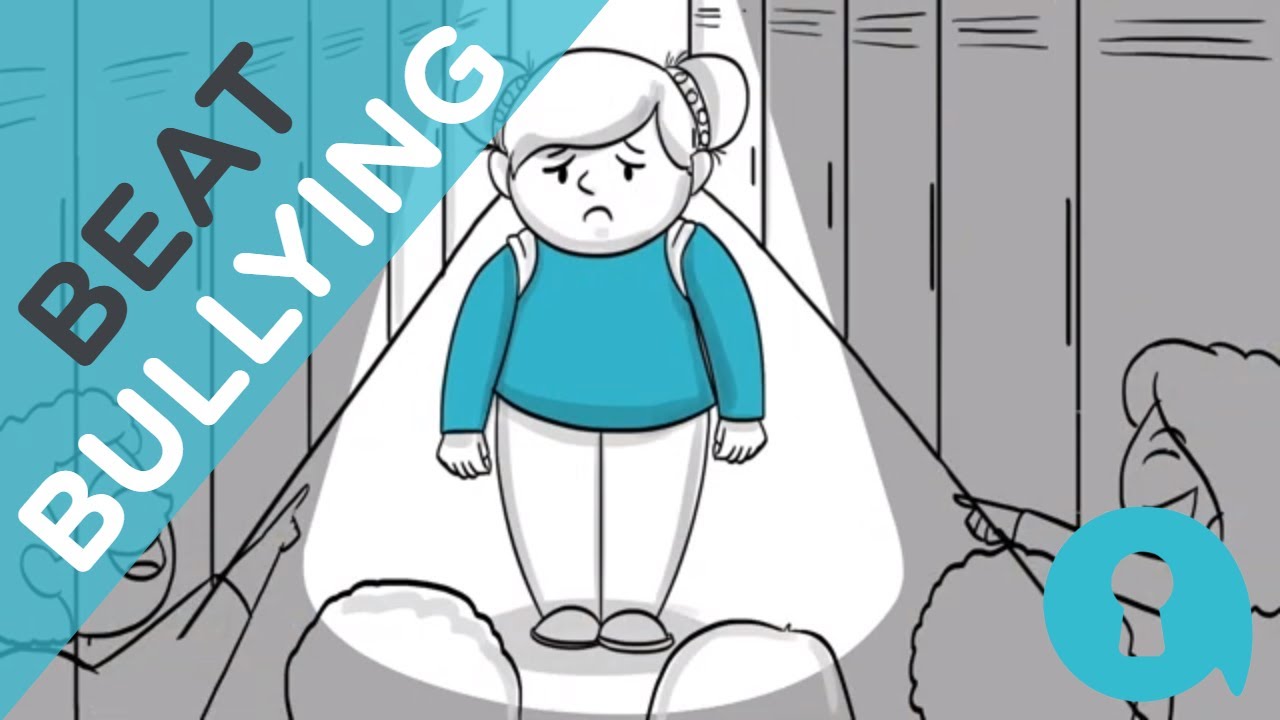
Bullying behaviors may include blocking movement, invading personal space, pointing, or laughing while someone else looks uncomfortable. Teaching children to notice these patterns helps build awareness of unsafe situations.
Using Real-Life Examples and Role Play
Social Stories and Scenarios
Social stories describe real situations step by step, explaining what teasing or bullying looks like and how it feels. These stories help children understand abstract social concepts using concrete language.
Role-Playing Practice
Role play allows children to safely practice identifying teasing and bullying. Practicing both “safe” and “unsafe” interactions helps children learn what responses are appropriate and when to seek help.
Teaching Emotional Recognition
Children who can identify their own emotions are better able to recognize bullying. Feelings such as fear, embarrassment, sadness, or confusion after an interaction can signal that something is wrong. Visual emotion charts and check-in routines support emotional awareness.
Teaching When and How to Get Help
Children should be taught that telling a trusted adult is appropriate when:
-
The behavior continues after asking it to stop
-
Someone feels scared, hurt, or confused
-
There is physical aggression or threats
Clear scripts such as “I need help” or “Someone is being mean on purpose” support communication in stressful moments.
How ABA Therapy Supports Bullying Awareness
Applied Behavior Analysis (ABA) uses evidence-based strategies to teach social skills, including:
-
Identifying social cues
-
Practicing safe responses
-
Building self-advocacy skills
-
Reinforcing appropriate reporting behaviors
ABA programs often use repetition, visuals, and real-world practice to help skills generalize across settings like school and community environments.
Conclusion
Recognizing teasing and bullying is an important life skill that helps children stay safe, build confidence, and navigate social situations more successfully. With clear instruction, real-life practice, and consistent support, children can learn to identify harmful behaviors and know when to ask for help.
At Move Up ABA, we support children and families across Maryland and Virginia by teaching practical social skills through evidence-based ABA therapy. Our experienced team helps children build awareness, communication, and self-advocacy skills that matter in everyday life—at school, at home, and in the community. We partner with families to create personalized programs that help every child move forward with confidence.
FAQs
Can children with autism recognize bullying?
Yes. With direct teaching, modeling, and practice, children can learn to recognize teasing and bullying behaviors.
At what age should children learn about bullying?
Basic concepts can be introduced in early childhood and expanded as social interactions become more complex.
Is teasing always harmless?
No. If teasing causes distress, continues after being asked to stop, or involves humiliation, it may be bullying.
How does ABA therapy help with social awareness?
ABA therapy breaks down social skills into teachable steps and uses structured practice to improve understanding and safety.
What if a child can’t explain what happened?
Visual supports, emotion identification tools, and behavior observations help children communicate experiences nonverbally or with support.
–
Sources:
- https://www.autismspeaks.org/applied-behavior-analysis
- https://www.stoppestennu.nl/sites/default/files/uploads/teachers_using_role-play_to_prevent_bullying.pdf
- https://www.bps.org.uk/psychologist/basics-bully-blocking
- http://new.calderdale.gov.uk/schools-and-learning/youth-support/bullying/what-bullying