
Reading a Behavior Intervention Plan (BIP) may feel overwhelming at first, but it’s one of the most powerful tools in behavior management. Whether you’re a parent, teacher, or ABA therapist, understanding the BIP can help you make a significant impact on the individual’s progress. A well-constructed BIP outlines clear, targeted strategies to address specific behaviors, providing a roadmap for success.
In this guide, I’ll walk you through how to read and implement a BIP, breaking down its key components and showing how each section contributes to the overall plan. With the right approach, a BIP becomes not just a document but a practical tool that brings about meaningful change in behavior.
What is a Behavior Intervention Plan (BIP)?
Before we dive into the details, it’s helpful to define what a BIP is. A BIP is a structured plan developed by an ABA therapist or a behavior analyst to address specific behaviors that interfere with a person’s learning, social interactions, or daily functioning. It outlines the strategies and interventions that will be used to reduce problematic behaviors and teach new, more functional behaviors.
The goal of a BIP is to provide clear guidance on how to address behavioral challenges in a consistent, structured way, whether in a school, home, or therapy setting. This is done through a combination of strategies, such as positive reinforcement, teaching alternative behaviors, and providing consistent feedback.
Key Components of a Behavior Intervention Plan
Understanding how to read a BIP starts with recognizing its key components. A well-structured BIP contains several sections, each focusing on a different part of the behavior change process.
Let’s break these sections down:
Identifying Information and Background
The first section of a BIP usually includes identifying information and background details about the individual. This might seem like a simple section, but it sets the foundation for the entire plan. Here’s what this section typically includes:
- Personal Information: The individual’s name, age, and any relevant details (like diagnosis or medical background).
- Behavioral History: Information on previous interventions, past successes, or challenges related to behavior.
- Setting and Context: The environments where the behavior typically occurs (home, school, therapy) and what happens before or after the behavior.
This section is critical because it gives you context for understanding the behavior and helps identify the environments or situations where the behavior is most likely to occur.
Target Behaviors
Once you have the background information, the next key part of the BIP focuses on the target behaviors. These are the specific behaviors that the plan is designed to address. It’s important that the behaviors are described in observable, measurable terms. For example:
- Inappropriate behavior: Instead of saying “defiant,” it would be more specific, like “yelling or using inappropriate language when asked to transition.”
- Desired behavior: It could be something like “raising hand to ask for a break” or “using words to express frustration.”
Each behavior should be broken down into antecedents (what happens before the behavior), behavior (what the person does), and consequences (what happens after the behavior). This is known as the ABC model—Antecedent, Behavior, Consequence.
This section helps you clearly define what behaviors are being targeted for change and how you will measure progress.
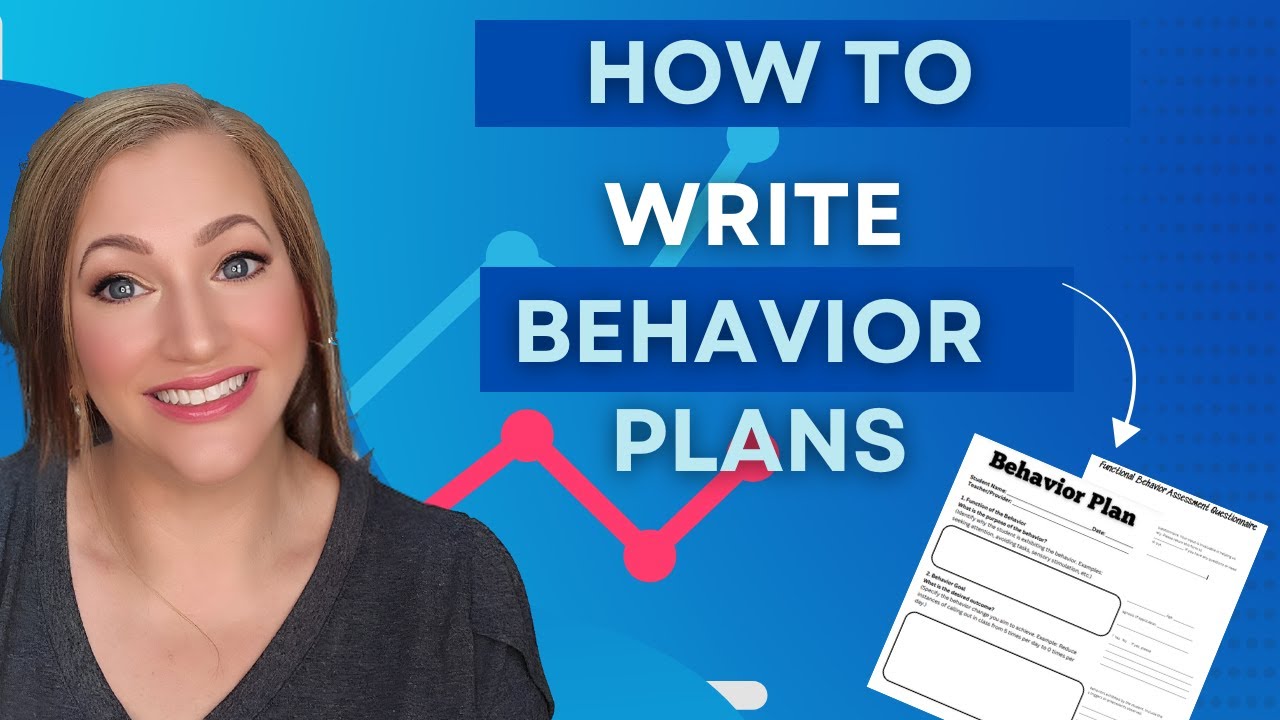
Functional Behavior Assessment (FBA)
Before a BIP is created, a Functional Behavior Assessment (FBA) is often conducted to gather data on why the individual is engaging in the target behavior. The FBA helps identify the function of the behavior—what purpose the behavior serves for the individual. This is crucial for creating effective interventions.
For example, a child who engages in tantrums might do so to avoid a task (escape), to get attention from others (attention-seeking), or because they are trying to obtain something specific (access). The FBA identifies these functions and provides the basis for the strategies used in the BIP.
Intervention Strategies
The next section of the BIP is focused on intervention strategies. This is where the bulk of the plan is laid out. Based on the FBA, this part provides clear instructions on how to respond to the target behaviors. The goal is always to teach a new, more appropriate behavior while reducing the old, less functional one.
There are different types of intervention strategies that might be included in a BIP, such as:
Positive Reinforcement
This is a critical strategy in ABA therapy. Positive reinforcement involves rewarding desirable behavior to increase the likelihood that the behavior will occur again. In the BIP, you’ll often see descriptions of what types of reinforcement will be used (verbal praise, tokens, small rewards), how often they will be delivered, and the timing for reinforcement.
For example: If a child is working on staying seated during a lesson, they might receive a sticker every time they stay seated for five minutes. The goal is to reinforce the appropriate behavior and encourage the child to continue to engage in that behavior.
Teaching Alternative Behaviors
Another intervention strategy involves teaching the individual an alternative behavior that serves the same function as the problem behavior.
For example, if the behavior is tantrums for attention, an alternative behavior could be raising a hand to request attention instead of acting out. Teaching and reinforcing these new skills help the individual replace the problematic behavior with something more appropriate.
Preventative Strategies
Preventative strategies are also essential. These include changes to the environment, routine, or antecedents that can reduce the likelihood of the target behavior happening.
For example, if a child often engages in aggression when transitioning from one activity to another, adding a visual schedule or giving a warning before transitions can help prevent the behavior.
Data Collection and Monitoring
A well-constructed BIP includes data collection methods so that progress can be tracked. This section specifies how data will be collected (e.g., frequency counts, ABC charts, or interval recording), who will collect the data, and how often it will be reviewed. Data helps measure the effectiveness of the plan and decide when changes might be needed.
Example of data collection:
- Frequency Recording: This method tracks how often a behavior occurs within a specific time period (e.g., how many times a child uses inappropriate language during a session).
- Duration Recording: This records how long a behavior lasts (e.g., how long a tantrum lasts).
- Interval Recording: This method involves checking whether the behavior occurs within short time intervals (e.g., checking every 10 minutes if a child is staying seated).
Crisis Management and Safety
In some cases, behaviors can escalate to a level where safety is a concern. The BIP may include a crisis management plan, which outlines the steps to take if a behavior becomes dangerous to the individual or others around them. This might involve physical intervention or a safe space for the individual to calm down. The goal here is always to ensure safety while maintaining respect for the individual.
Conclusion: Reading the BIP for Effective Implementation
Reading and understanding a BIP can be challenging at first, but it’s an essential skill for anyone involved in the care or education of individuals with autism. By breaking down the components of a BIP—target behaviors, intervention strategies, data collection methods, and safety protocols—you can effectively implement the plan and support behavior change in a meaningful way.
Whether you’re a parent, teacher, or therapist, the BIP helps provide structure and guidance. It’s a tool designed to promote positive behaviors and create lasting change. Remember, a well-written BIP is flexible, allowing adjustments as needed, but it requires consistent implementation and monitoring to be truly effective.
At Move Up ABA, we’re here to help families and schools implement ABA strategies that work. If you’re looking for support, our team in Maryland and Virginia offers tailored ABA services that include Behavior Intervention Plans, in-home therapy, and school-based interventions.
Contact Move Up ABA to learn more about how we can support your child’s progress.
FAQs
- What’s the difference between a BIP and an FBA?
An FBA (Functional Behavior Assessment) is used to identify the reasons behind a behavior, while a BIP (Behavior Intervention Plan) provides strategies for addressing and reducing the behavior based on the FBA’s findings.
- How can I ensure a BIP is effective?
A BIP is most effective when it’s consistently implemented, includes clear and measurable goals, and uses strategies that are individualized to the person’s needs.
- Can a BIP be updated?
Yes, a BIP should be updated regularly based on the data collected and the individual’s progress. It’s important to make adjustments as needed to ensure continued success.
Sources:
- https://childmind.org/article/what-is-a-behavior-intervention-plan/
- https://www.understood.org/en/articles/behavior-intervention-plans-what-you-need-to-know
- https://www.michigan.gov/-/media/Project/Websites/mde/specialeducation/familymatters
- https://iris.peabody.vanderbilt.edu/module/bip-sec/cresource/q1/p01/
- https://www.understood.org/en/articles/functional-behavioral-assessment-what-it-is-and-how-it-works
- https://files.eric.ed.gov/fulltext/ED595335.pdf