

Applied Behavior Analysis has always relied on data. Clinicians collect session notes, track behavior frequency, and analyze progress over time. Artificial Intelligence is now expanding how that data is processed, organized, and interpreted. How AI is Shaping the Future of ABA involves data automati...
ABA

Classrooms are social environments. Students learn not only academics, but also communication, cooperation, and problem-solving. For students receiving ABA services in school, peer interaction is a critical part of development. The Importance of Peer-Mediated Interventions in School-Based ABA Progra...

Learning how to dress independently is an important milestone for children, but it can be challenging—especially for children with autism or developmental delays. Building independence with dressing supports more than just daily routines; it helps children develop confidence, autonomy, and self-ca...
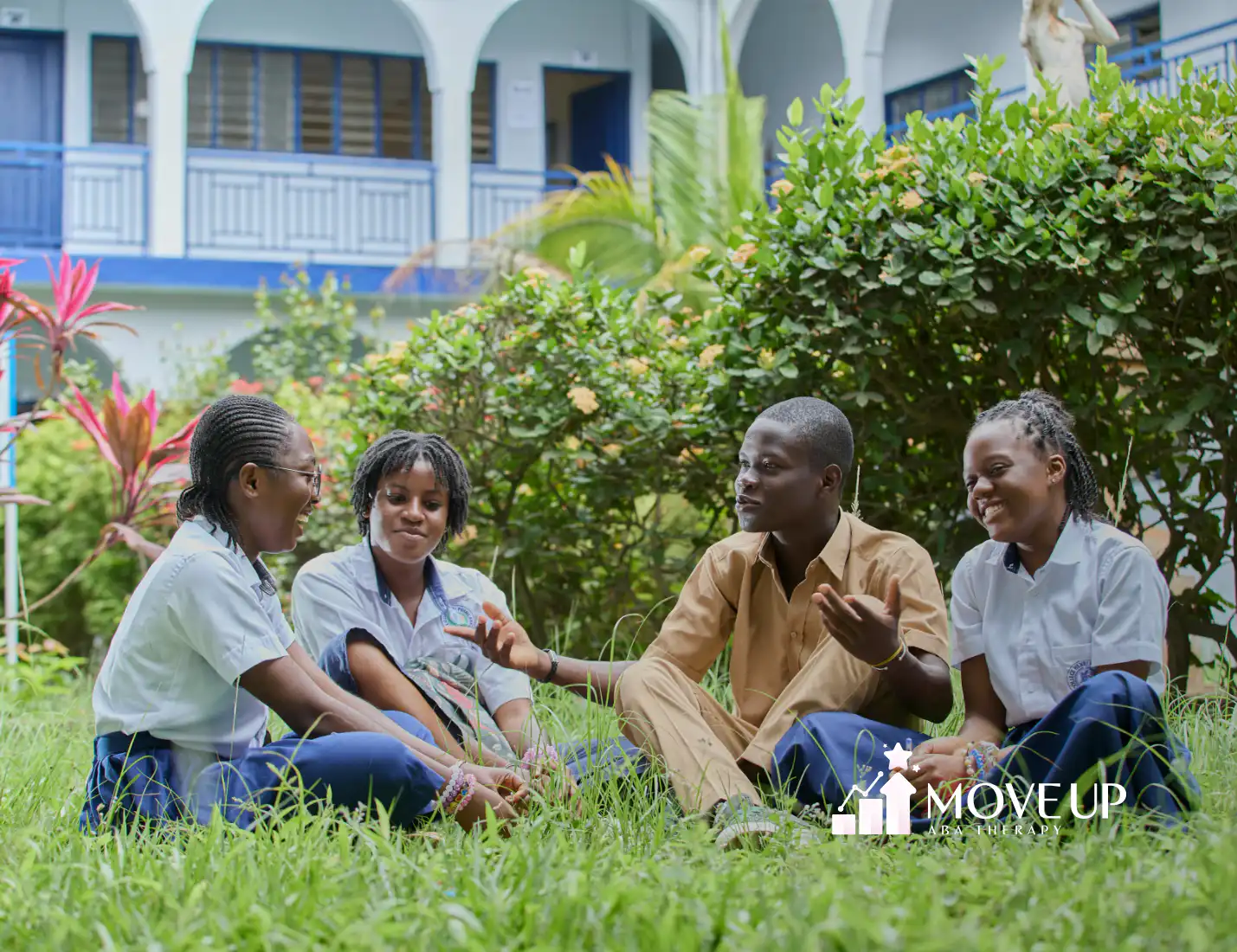
Navigating the world of social language can be tricky, especially when it comes to humor, sarcasm, and idioms. For children on the autism spectrum, understanding these nuances is a unique challenge. The good news is that you are not alone in this journey. Applied Behavior Analysis (ABA) therapy prov...

Applied behavior analysis (ABA) uses differential reinforcement to help bring out good behaviors and lower those that are seen as challenging behaviors. This is a way to change how someone acts by giving support for some actions but not for others. One main idea here is differential reinforcement. I...

In behavior analysis, extinction is when you stop giving reinforcement for a behavior that used to get it. In applied behavior analysis (ABA), the goal is to make the behavior go away slowly over time. This idea is very important for helping change bad habits while building up good ones. ABA therapy...