


When a child hits themselves, it’s often a sign of distress, frustration, or sensory overload, not defiance. The first step is to stay calm and ensure safety. Gently block the behavior if needed, and remove triggers from the environment. Avoid reacting with anger, which can escalate the situation....
Blog

If your child laughs during a serious reprimand, it may feel confusing or disrespectful, but it’s often not intentional. For many autistic children, laughter can be a stress response. When emotions run high, the brain may trigger laughter as a way to cope with anxiety, sensory overload, or difficu...

When your child is newly diagnosed with autism, asking the right questions can help you build a strong foundation for support. Start by asking: What therapies are recommended for my child’s needs? This helps guide early intervention. Next, ask: How do I choose the right ABA provider? Look for prog...

Pathological Demand Avoidance (PDA) is a profile on the autism spectrum where individuals experience extreme anxiety when faced with everyday demands. Unlike typical avoidance, PDA is rooted in a need for control and a fear of losing autonomy. Children and teens with PDA may resist requests, even on...
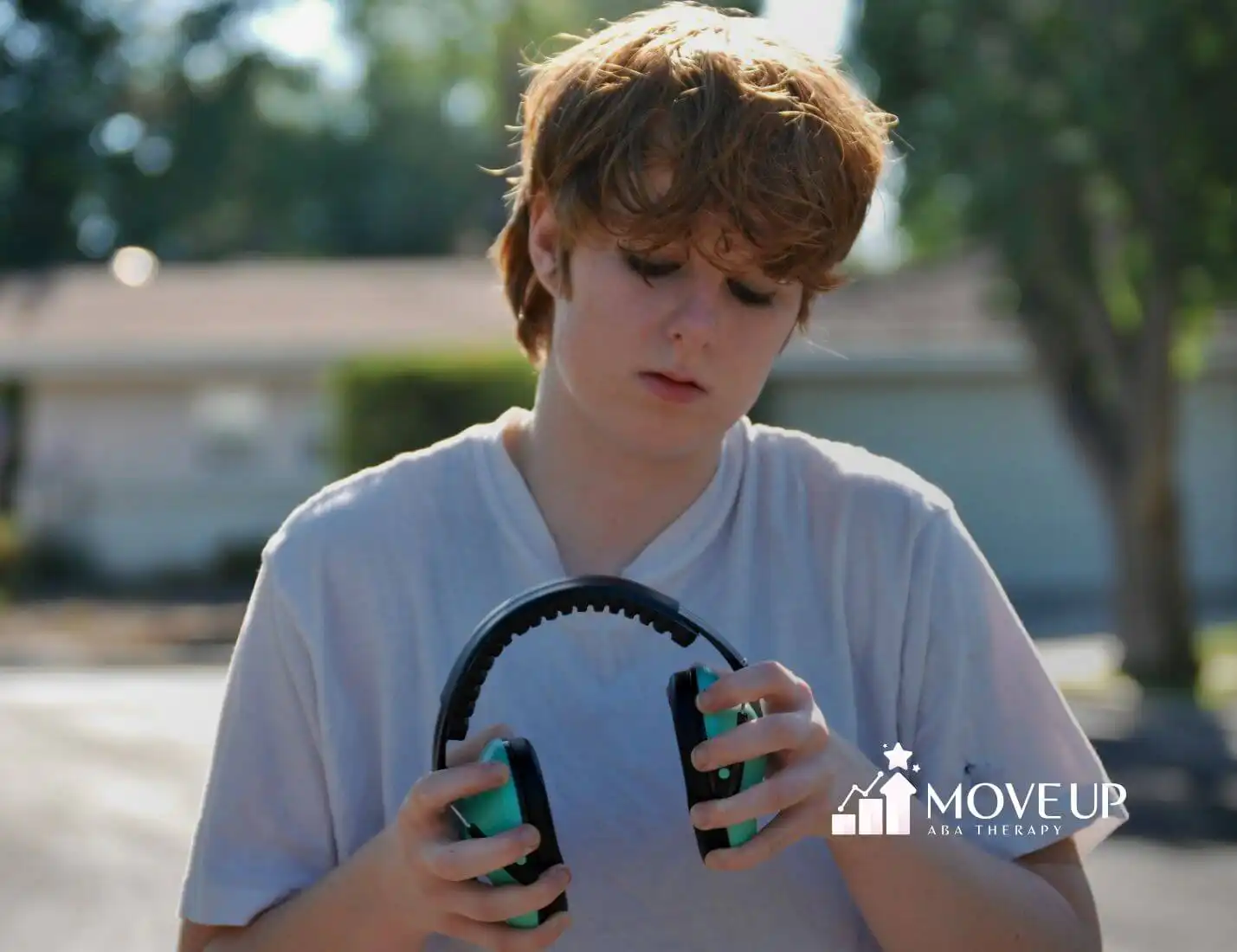
Finding the right social skills group for your autistic teen starts with understanding their goals. Are they working on conversation, peer interaction, or emotional regulation? Look for groups that match your teen’s developmental level, not just age, and offer structured, evidence-based support. A...

Key Highlights Applied Behavior Analysis (ABA) therapy provides a structured framework for teaching self-advocacy. Developing advocacy skills is crucial for helping children with autism achieve greater independence. ABA therapy uses behavior analysis to build essential communication skills for expre...

Key Highlights Building friendships is a learned skill, and parents play an important role in teaching it. Strong peer relationships are crucial for a child’s mental health and social development. You can help your child by modeling how to be a good friend and fostering empathy at home. During ear...

Supporting adolescents with autism through the changes of puberty poses unique challenges for practitioners and families. When designing teen aba programming puberty protocols, professionals must address intensified sensory sensitivities, evolving social boundaries, and emerging sexual awareness. By...