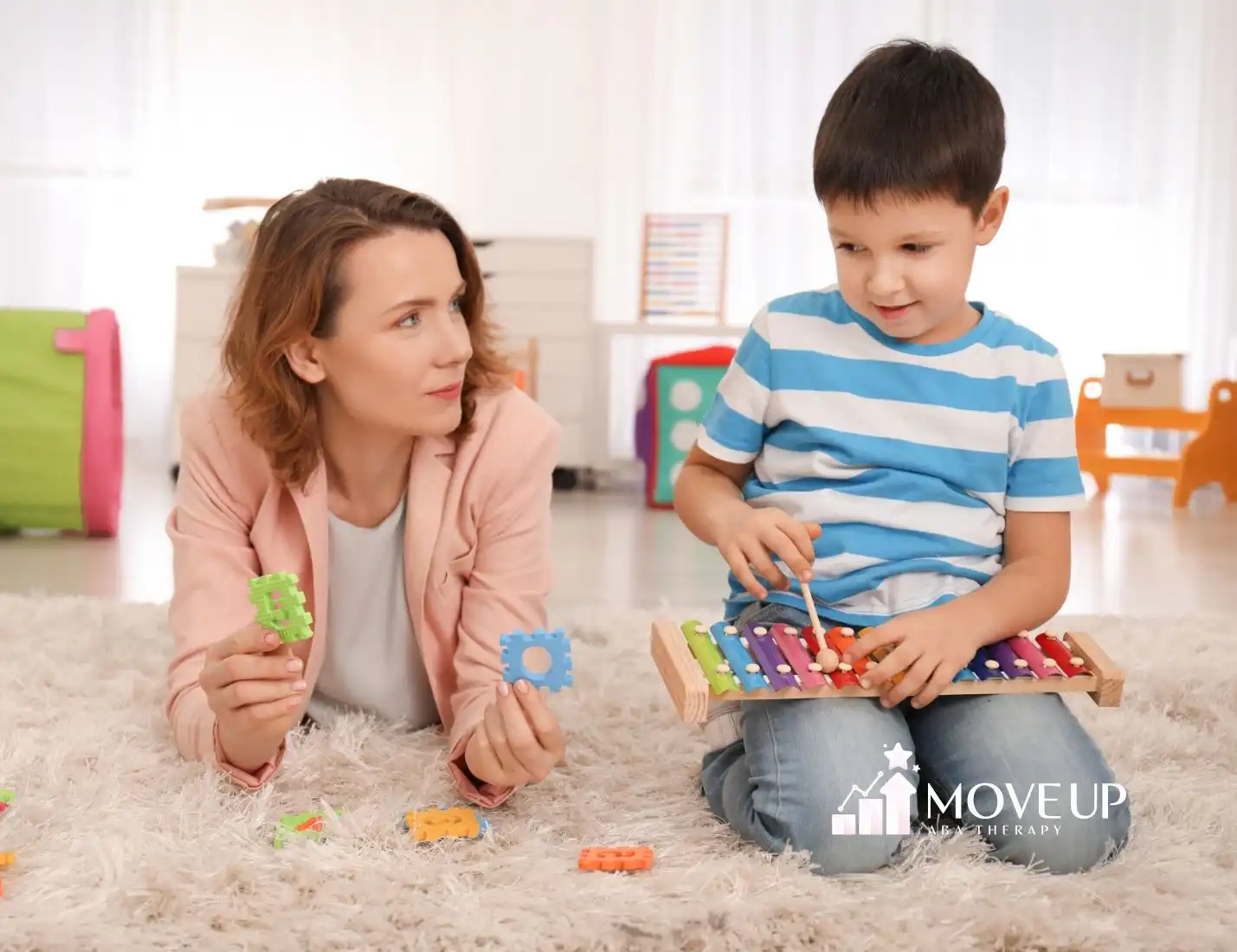
Deciding if you should sign up your child for applied behavior analysis (ABA) therapy can be tough. Many people find it hard, especially after hearing about an autism spectrum disorder. It is normal to stop and ask if this therapy will meet your child’s specific needs.
ABA therapy is based on methods that have been tested and are known to help children. This type of behavior analysis helps your child learn good skills, and it can also reduce challenging behaviors. This simple guide will give you the facts and ideas you need. You will be able to decide if ABA therapy is right for your child. This could be an important step to help your child grow and become more independent.
Understanding ABA Therapy: What Parents Need to Know
ABA therapy is based on behavior analysis. This means it is a proven way to help children with autism and similar issues. In therapy sessions, ABA therapists use positive reinforcement to build good skills. They also work to lower negative behaviors.
These therapy sessions are made to fit your child. They focus on what your child does well and where he or she needs help. Experienced behavior experts lead the sessions. They help your child grow in things like social interaction, everyday tasks, and managing feelings. Next, we will go over the main ideas behind ABA therapy in more detail.
What is Applied Behavior Analysis (ABA)?
Applied behavior analysis (ABA) is a way to look at and change how people act. It uses positive reinforcement to help new, helpful behaviors grow. This approach works well for people with autism and those with other developmental disorders. ABA therapy tracks progress using data. This helps to make sure changes are real and easy to see over time.
The Core Principles of ABA Therapy
ABA therapy is based on the important ideas that help deal with challenging behaviors and help your child learn skills that matter for their growth.
- Positive Reinforcement: When your child does something good, you reward them. This makes them want to do that action again. Over time, good behavior becomes a regular part of their day.
- Individualization: Every child is different. ABA therapy is changed and shaped for your child’s needs so it can work the right way for them.
- Focus on Specific Goals: This kind of therapy looks at certain targets to help your child in areas like talking, social interaction, and their everyday life skills.
- Behavior Tracking: Therapists watch to see what leads to problematic behaviors. Then, they come up with ways to help your child change these into better habits.
By using these steps, ABA therapy helps your child gain skills and get better at coping and fitting in. Next, we will talk more about how ABA works and how it helps children in their daily lives.
How ABA Therapy Works for Children
ABA therapy uses a step-by-step plan that helps with your child’s needs. Certified behavior analysts start by looking at your child’s challenges and strengths. They build ABA services that can take place at home, at school, and out in the community.
The main idea behind ABA therapy is to break big tasks into small, manageable steps. These steps get taught in one-on-one or group therapy sessions. During these therapy sessions, therapists focus on helping your child’s behavior improve. They use rewards and other reinforcement techniques to do this. The first important steps in ABA therapy are finding out what your child needs and deciding on goals to work towards.
Assessment and Goal Setting
The first part of ABA therapy is when your child’s therapist and your family work together to make a plan for progress. This starts with something called a functional behavior assessment (FBA). In this process, the therapist finds out about your child’s current skills, what your child likes, and what their needs are.
With this information, clear treatment goals are set up to match your child’s needs. These goals are about important things like communication, daily living, and motor skills. For example, your child may work on keeping eye contact or on cutting down behaviors like tantrums.
After making these goals, the therapist plans easy steps to reach them. For example, your child might practice small changes during the day if switching activities is hard for them. During therapy sessions, your child’s progress is always tracked to make sure each step helps with overall development.
Techniques Used in ABA Sessions
ABA sessions use different ways to help each child learn. The main goal is to meet your child’s specific needs. Here are some of the best methods that are used:
- Discrete Trial Training (DTT): This method breaks big tasks into small steps. When your child gives the right answer, they get a reward.
- Early Start Denver Model (ESDM): This approach uses play to help teach communication and social skills.
- Task Analysis: Here, each daily activity is taught by dividing it into simple actions. For example, it makes brushing teeth easy to learn, step by step.
- Modeling Behavior: This encourages kids to copy positive actions, such as using eye contact.
These strategies focus on your child’s specific needs. They help the learning feel fun and useful. By mixing tasks that are planned with natural situations, the children can practice new, everyday skills in a supportive place. This helps them get better at daily activities that matter most.
Benefits and Outcomes of ABA Therapy
ABA therapy has helped change lives in a good way. The main goal of this type of therapy is to help people learn new skills. It also helps them show more positive behaviors and less problematic behaviors. With ABA therapy, people get better at working with others and learn how to handle real-life situations well.
Children who go through ABA therapy often see great changes in their communication skills. They can talk with others better. They also learn how to understand their feelings and control them. Many can also do daily tasks on their own. Every child is different, so progress depends on what each one needs. Even so, many families feel their child will have a better chance of doing well in life. Next, we will talk about how these new skills can help with learning and growing stronger.
Skill Development and Independence
One of the main goals of ABA therapy is to help your child learn new skills and become more independent. The therapy breaks down daily living skills like grooming, dressing, and eating into easy, clear steps. This helps your child build good habits that last.
Another key part of ABA therapy is language development. Therapists work with your child to improve both talking and non-verbal ways to share feelings and needs. Your child might learn how to use simple words or phrases to say what they feel or want.
ABA therapy also works with your child on life skills. This includes learning how to solve problems and deal with different social situations. Doing these things often helps your child get better at them and become more able to live on their own. Over time, this helps your child to feel more ready and confident in daily life.
Evidence Supporting ABA’s Effectiveness
ABA therapy has been proven to work well for people with autism spectrum disorder. There is strong research to support this. The U.S. Surgeon General and the American Psychological Association both say that ABA therapy is a science-backed way to help those on the autism spectrum.
| Source | Evidence of Effectiveness |
|---|---|
| U.S. Surgeon General | People can show good behavior changes if they get up to 40 hours of therapy a week. |
| American Psychological Association | People can get better at learning new things, understanding language, and handling how they feel. |
| Scientific Data | More than 20 studies show people gain a lot in thinking skills, how they act with others, and daily tasks, after ABA therapy over 1 to 3 years. |
These findings say that ABA therapy helps people of different ages at many stages of the autism spectrum. Still, there are some worries about how it is done. We will talk about those concerns next.
Concerns and Controversies Around ABA
Despite its good points, ABA therapy has been talked about negatively, too. Some people look at traditional ABA and see that it can be strict and too focused on making kids change their so-called “negative behaviors”, especially in places like schools.
Today, people try to do better by making life better for the child, not just following rules. Many providers now shape ABA therapy to fit a child’s specific needs. This helps with the ethical side and still gets good results. To help you know more about these issues, let’s hear what people in the autism community say.
Criticisms From the Autism Community
The autism community has spoken up about the problems with traditional ABA therapy. Many people feel that it is used to try too hard to make kids on the autism spectrum act like most other kids. This often happened at the cost of the child’s character and what makes them special.
In places like regular schools, this got worse. Kids were often told to hide how they act naturally. There was also too much focus on social interaction, while not enough importance was given to how the child felt or what they liked. This made some children feel bad.
Now, many therapists are changing how they work with kids on the autism spectrum. They try to help a child find and grow their strengths. They also make sure to honor who each kid is. These new ways of ABA therapy let children learn and build skills, but do not push them to be someone they are not.
Addressing Ethical Considerations
Ethics are now a bigger part of ABA therapy. There is more focus on each child’s specific needs and on giving them a better quality of life. Today’s providers use caring methods that fit the goals of each child. They also make sure that family members and parents help make decisions.
Modern ABA therapy does not just force kids to follow rules. It values what each child is good at and what makes them unique. Sessions are more flexible, so there can be both learning and fun at the same time.
By thinking about the child’s specific needs and doing things that include family members, therapists help create safe and caring places. This helps children in the long run and builds trust with their families and the autism community.
Conclusion
To sum up, choosing whether you should put your child in ABA therapy is a big step that needs thought and care. It is important to know what applied behavior analysis means, the basic ideas behind it, and what it can give your child in their skills and how they do things on their own. There are some worries people have about ABA therapy, but if you know more about it, you can look at both the good and the bad sides. In the end, what you choose should be about what your child needs and what will be best for them. If you want help made just for you, feel free to get a free talk with a person who knows about behavior analysis. They can help you at this time.
Frequently Asked Questions
Is ABA therapy right for every child?
ABA therapy is made to fit your child and what they need. It works by looking at certain behaviors and developmental disorders. This kind of help can be very good for many, but you should talk to ABA therapists to get the right review. Not every child needs ABA therapy, so think about your child’s needs before you start. It is important to look at what your child goes through, so you can choose if this is good for them.
At what age should my child start ABA therapy?
ABA therapy works best for a young child when they start early, often before they turn 5 years old. Depending on your child’s age and where they are on the autism spectrum, ABA programs can help meet their needs early on. This early help gives them a better chance for good results in the long run.
How long does ABA therapy usually last?
The length of ABA therapy for your child depends on what the treatment goals are. For some, therapy sessions may last a few months if the goals are short-term. For others, the sessions can go on for 1 to 3 years if the goals are long-term. An ABA provider will look at your child’s first check-up and how they do over time. The plan will be made just for your child, based on these things.
Can ABA therapy be done at home or only in clinics?
ABA services can be given at home or in a clinic. This depends on what your child and your family members like or need. The way therapy is done lets it fit right into daily activities, whether your child is at home or in another place. Work with a certified provider to pick what is best for your child.
How do I find a qualified ABA therapist in the US?
Find certified ABA therapists by asking your child’s doctor for names or by checking online lists. Make sure the place you pick for ABA services has a certified behavior analyst on their team. Talk about the cost of ABA before you sign up. To be sure you get good care, take time to look up and check ABA providers. This helps you know you are working with people who do a good job and act in a trusted way.
Sources:
https://www.autismspeaks.org/applied-behavior-analysis
https://raisingchildren.net.au/autism/therapies-guide/applied-behaviour-analysis-aba
https://www.medicalnewstoday.com/articles/is-aba-therapy-harmful