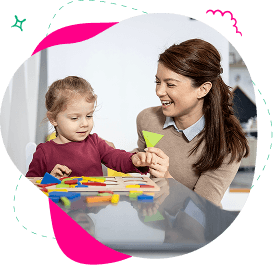
Taking on challenging behaviors in public settings can feel overwhelming for parents and caregivers. Whether you are at a park, restaurant, or shopping mall, unexpected actions can turn a simple outing into a stressful event. This guide is here to provide you with practical strategies and insights. By understanding the root causes of these behaviors and learning how to respond effectively, you can create more positive interactions and make community outings enjoyable for everyone.
Understanding Challenging Behaviors in Public Environments
To manage challenging behaviors, you first need to understand why they happen. Behavior is a form of communication. An individual might be trying to gain attention, access something they want, escape a situation, or fulfill a sensory need. Behavior analysis helps you identify these underlying functions in various everyday environments.
Recognizing these patterns is especially important in busy public settings. For children with autism, a crowded mall can be overstimulating, leading to sensory overload. Understanding their mental health and sensory needs allows you to provide the right support. This knowledge empowers you to respond with compassion and effectiveness, turning a potentially difficult situation into a learning opportunity.
Common Triggers and Their Impact in Settings Like Malls, Parks, and Restaurants
Public spaces like shopping malls, parks, and restaurants are filled with potential triggers that can lead to specific behaviors. These everyday environments can be unpredictable and overstimulating, making it hard for some individuals to cope. Identifying these triggers is the first step to avoiding them and ensuring a smoother outing.
Common triggers often include environmental factors that are difficult to control. For example, a child might become overwhelmed by the noise and crowds in a busy mall. Physical needs also play a big role; hunger or fatigue can easily lead to an outburst.
To help avoid these situations, consider the following:
- Environmental Factors: Loud noises, bright lights, and large crowds can be overwhelming. Try visiting at off-peak hours.
- Unmet Needs: Hunger, thirst, or tiredness can quickly escalate into challenging behaviors. Plan for breaks and bring snacks.
- Lack of Clarity: Unclear expectations or sudden changes in plans can cause confusion and anxiety.
Differences in Behavioral Challenges Among Children and Adults
Behavioral challenges present differently depending on age and developmental stage. With children, behaviors are often tied to their developing ability to communicate and regulate emotions. A child’s progress in these areas can be supported with strategies learned in clinical settings and applied in the real world. The focus is often on teaching foundational social and communication skills.
For adults, challenging behaviors may be more established and linked to long-standing needs or diagnosed conditions. The approach for adults often centers on promoting independence and improving their quality of life. This might involve developing coping strategies for managing anxiety in public or vocational skills for community integration.
Ultimately, the goal is to tailor interventions to the individual’s specific needs, whether they are a child learning to navigate social cues or an adult striving for greater autonomy. Understanding these differences is crucial for providing the right kind of support and tracking the person’s progress effectively.
Proactive Preparation for Community Outings
A proactive approach is your best tool for successful community outings. Instead of just reacting to problems, you can plan ahead to prevent them. This is especially useful to help children who struggle with new or unpredictable situations. Using tools like social stories, you can walk them through specific scenarios they might encounter.
This preparation helps build essential social skills and reduces anxiety by making the unknown feel more familiar. You can outline what to expect, from the car ride to the activities at your destination. This sets the stage for a positive experience before you even leave the house. The following sections will explore specific methods for this preparation.
Preparing Individuals with Behavioral Challenges for Trips to Malls and Parks
Heading out to public spaces like shopping malls or parks requires thoughtful preparation. Start by discussing the trip in advance. Talk about where you are going, what you will do, and how long you plan to stay. Rehearsing specific scenarios, like waiting in line or asking for help, can build confidence.
For outings in busy mall settings, it’s helpful to give the individual a simple job, such as holding the shopping list or finding a specific item. This provides focus and a sense of purpose. If disruptive behavior does occur, the first step is to remain calm and guide the person to a quieter spot to de-escalate.
Here are a few steps to prepare for a successful trip:
- Set a Clear Agenda: Outline the plan for the day so there are no surprises.
- Start Small: Begin with short trips to familiar places before tackling longer, more challenging outings.
- Bring Comfort Items: Have a favorite toy or a comforting object on hand to help ease anxiety.
Structuring Expectations and Using Visual Supports
One of the most effective ways to prepare for an outing is by structuring expectations with visual supports. These tools make abstract concepts like time and sequence much more concrete. Using visual schedules, you can show a step-by-step plan of the outing, which reduces anxiety by letting the individual know what is coming next.
Visual aids can come in many forms, from simple picture cards to checklists on a phone. For example, a visual schedule for a trip to the park might show pictures of driving in the car, playing on the swings, having a snack, and then going home. This predictability creates a supportive environment where the person feels more in control.
These tools are not just for children; they can be adapted for any age to clarify expectations and routines. By providing clear, visual information, you empower the individual to navigate the outing with greater confidence and success.
Core ABA Strategies for Managing Behaviors in Public
Applied Behavior Analysis (ABA) provides a framework of proven strategies for managing behavior during community outings. ABA techniques are based on the science of learning and behavior, and they can be adapted to any public setting. This approach focuses on understanding the function of a behavior and teaching replacement skills.
Using behavior analysis, you can identify triggers and implement strategies that encourage positive interactions. Key components include reinforcing desired behaviors and teaching functional communication skills so an individual can express their needs appropriately. These methods help make outings less stressful and more successful. Let’s look at how to apply these core strategies.
Applying Positive Reinforcement Effectively in Malls and Restaurants
Positive reinforcement is a powerful tool for encouraging good behavior in public settings. The concept is simple: when you reward a desired behavior, it is more likely to happen again. During mall visits or restaurant meals, this can make a huge difference in promoting positive interactions.
The key is to use rewards that are immediate and meaningful to the individual. For example, you could offer praise, a small toy, or a few minutes of screen time after they successfully complete a task, like waiting patiently in line. This helps them connect their good behavior with a positive outcome, motivating them to repeat it.
Using positive reinforcement helps teach new skills and builds confidence. Instead of focusing on what went wrong, you are highlighting what went right. This shifts the dynamic from corrective to encouraging, making public outings a more enjoyable experience for everyone involved.
Role of Functional Communication Training During Outings
Many challenging behaviors arise from an inability to communicate needs and feelings. Functional Communication Training (FCT) is an intervention that teaches individuals how to express themselves in a more effective and appropriate way. This is crucial for social integration in community settings.
Instead of acting out, a person can learn to use words, signs, or picture cards to say, “I need a break,” or “It’s too loud.” For instance, a successful intervention in a mall might involve teaching a child to point to a “quiet” card when they feel overwhelmed, instead of having a meltdown. The caregiver then responds by moving to a less crowded area.
This focus on effective communication requires active listening from the caregiver to recognize and honor these attempts to communicate. By providing a reliable way to express themselves, FCT reduces frustration and empowers individuals to navigate social situations with greater ease.
Preventive Approaches to Reduce Disruptive Behavior
A preventive approach focuses on stopping challenging behaviors before they even start. Through proactive preparation and creating a supportive environment, you can address the root causes of disruptive actions. This involves understanding an individual’s triggers and needs ahead of time.
Preventive strategies might include modifying the environment, teaching coping skills, and ensuring expectations are clear. Ongoing assessment of what works and what doesn’t allows you to refine your approach over time. By being prepared, you can turn potentially stressful outings into positive learning experiences. The following sections offer specific ways to do this.
Environmental Modifications to Decrease Triggers in Public Spaces
Modifying the environment is a smart way to reduce triggers in busy public spaces. While you can’t control everything in a mall, you can make small changes to create a more manageable experience. For example, avoiding peak hours can minimize exposure to crowds and noise, two common triggers for sensory overload.
Choosing a less-crowded entrance or parking spot can also set a calmer tone from the start. Some public venues are now offering sensory-friendly hours or quiet rooms, which are excellent resources to look for. These environmental modifications are like proactive physical security measures for emotional well-being.
Simple adjustments can make a significant impact on preventing challenging behaviors. Here are some examples of modifications you can make:
| Trigger | Modification |
|---|---|
| Loud Noises | Bring noise-canceling headphones or visit during quieter times. |
| Bright Lights | Offer sunglasses or a baseball cap to reduce visual input. |
| Large Crowds | Plan trips for off-peak hours or weekdays; stick to the edges of crowded areas. |
| Long Waits | Bring a distracting activity or use a visual timer to show how much longer. |
Teaching Coping and Self-Regulation Skills for Community Settings
Equipping individuals with coping and self-regulation skills empowers them to handle stressful situations on their own. Instead of you managing the environment, they learn to manage their reactions to it. This is a critical step toward greater independence in everyday activities.
Simple techniques like deep breathing, counting to ten, or taking a short break can be practiced at home and then used in community settings. If a child displays disruptive behavior in a shopping mall, you can calmly prompt them to use one of these learned coping skills. For example, you might say, “Let’s take three deep breaths together.”
Teaching these social skills helps individuals recognize their feelings of frustration or anxiety early on and take action before they become overwhelmed. Over time, these strategies become second nature, allowing for more successful and independent participation in community life.
Supporting Caregivers and Staff in Navigating Challenging Behaviors
Caregivers and staff are on the front lines of managing challenging behaviors, and they need support, too. Working with a team of professionals who specialize in behavior analysis can provide the training and tools needed to create a supportive environment. This includes learning strategies for de-escalation, communication, and reinforcement.
Feeling equipped and confident is essential for success. Support can also come from connecting with other caregivers, sharing experiences, and practicing active listening. When the adults feel supported, they are better able to provide consistent and compassionate care. Let’s explore how training and collaboration can build this support system.
Training Parents and Professionals for Real-World Scenarios
Effective training goes beyond theory and focuses on skill development for real-world environments. Professionals often use role-playing to help parents and staff practice their responses to specific scenarios, such as a tantrum in a grocery store or a refusal to leave the park. This hands-on approach builds confidence and muscle memory.
Training also covers how to prepare for outings, what to bring, and how to de-escalate a situation safely. It’s not just about managing behavior but also about ensuring everyone’s safety and addressing potential security concerns in public spaces. This preparation helps caregivers feel less overwhelmed and more in control.
Key areas covered in professional training often include:
- Identifying Functions of Behavior: Learning to quickly assess why a behavior is happening.
- De-escalation Techniques: Practicing how to respond calmly and effectively to reduce intensity.
- Reinforcement Strategies: Knowing when and how to use positive reinforcement to encourage desired actions.
Collaboration and Consistency Across Home and Public Settings
Collaboration and consistency are the cornerstones of a successful behavior management plan. When parents, therapists, and teachers all use the same strategies, it creates a predictable and supportive environment for the individual. This consistency helps reinforce learning across the home setting and various public contexts.
Professionals facilitate this collaboration by setting up regular communication channels, such as shared journals or team meetings. During these meetings, everyone can share observations, discuss what’s working, and troubleshoot challenges together. This ensures that the strategies are being applied consistently, which is key to helping the individual generalize their skills.
A unified approach means the individual receives the same clear messages about expectations, no matter where they are. This reduces confusion and anxiety, making it easier for them to succeed in different environments and with different people.
Conclusion
Navigating challenging behaviors in public settings can be daunting, but with the right strategies and preparation, it can also be a rewarding experience. Understanding the triggers and employing core ABA techniques can empower caregivers and staff to handle situations effectively. By fostering an environment that supports individuals with behavioral challenges, you not only improve their experience but also create a more inclusive atmosphere for everyone. Remember, consistency and collaboration between home and public settings play a vital role in success. If you’re looking for personalized guidance or strategies tailored to your specific needs, don’t hesitate to reach out for a free consultation.
Move Up ABA is a trusted ABA therapy provider serving families across Maryland and Virginia with evidence-based, individualized care. Our experienced team helps children and adults develop practical skills to navigate challenging behaviors in real-world settings—like stores, parks, and community spaces—so progress continues beyond the therapy environment.
FAQs
What are effective strategies for responding to disruptive behavior in a shopping mall?
When facing challenging behaviors in shopping malls, stay calm and move to a quieter area. Use simple, effective communication to acknowledge their feelings and redirect their attention. Once they are calm, use positive reinforcement to praise their cooperation. This approach helps de-escalate the situation while teaching better coping mechanisms.
What steps can caregivers take to prevent meltdowns in restaurants or parks?
To prevent meltdowns in public settings, create a supportive environment through preparation. Use visual supports to show the plan for the day, and choose off-peak hours to avoid crowds. Bringing familiar comfort items can also help children feel secure. These proactive steps act as emotional security measures for a smoother outing.
How is positive reinforcement used to manage behaviors during public outings?
In ABA therapy, positive reinforcement is used to reward desired behaviors immediately. During a trip to a retail store or shopping mall, you might offer praise or a small, preferred item for waiting patiently or staying close. This encourages the individual to repeat the behavior and helps them learn new skills.
Sources:
- https://www.cdc.gov/autism/about/index.html
- https://www.theautismservice.co.uk/news/what-is-sensory-overload/
- https://www.mentalhealth.org.uk/our-work/public-engagement/mental-health-awareness-week/anxiety-report/what-anxiety
- https://www.autismspeaks.org/applied-behavior-analysis
- https://www.appliedbehavioranalysisedu.org/how-is-functional-communication-training-used-in-applied-behavior-analysis/
- https://autism.org/challenging-behaviors-and-autism/