
Why We Don’t Diagnose Celebrities With Autism — and Why You Shouldn’t Either We don’t diagnose celebrities with autism because no one can. A valid diagnosis requires a direct, comprehensive assessment of the actual person — not a scan of interviews, red-carpet clips, or old foo...
autism & more

A waiting room with fluorescent lights. A stranger in a mask asking your child to open their mouth. The high-pitched whine of a dental polisher. Unfamiliar smells, unpredictable touch, sudden bright lights pointed at the face. For most kids, a doctor or dentist visit is mildly unpleasant. For many c...

Almost every parent of an autistic child eventually notices the same thing. The neurotypical sibling — the one who isn’t in therapy, doesn’t have an IEP, doesn’t need help with social cues — is quietly going through their own difficult experience. They watch their brother or si...

Every May, BCBAs across the country start hearing the same question from parents: “Will my child lose what we worked so hard on this year?” It’s one of the most consistent worries parents bring up before summer break — and for good reason. The research backs up what parents notic...

May is the month when Extended School Year decisions actually get made in Maryland IEP meetings. By the time the school year ends in June, families who didn’t know to ask about ESY — or didn’t know how to push back on a denial — have largely missed the window. If your autistic child ...

Pools are filling. Lakes are warming. The neighborhood backyards across Maryland and Virginia are about to host the kind of casual summer gatherings where one moment of distraction can become a tragedy. For families of children with autism, this season brings a danger that is documented, statistical...

Baltimore families looking for autism support have access to several well-established local organizations — including the Autism Society of Baltimore-Chesapeake, Kennedy Krieger Institute’s CASSI program, and The Arc Baltimore — alongside embedded in-home therapy providers like Move Up ABA...
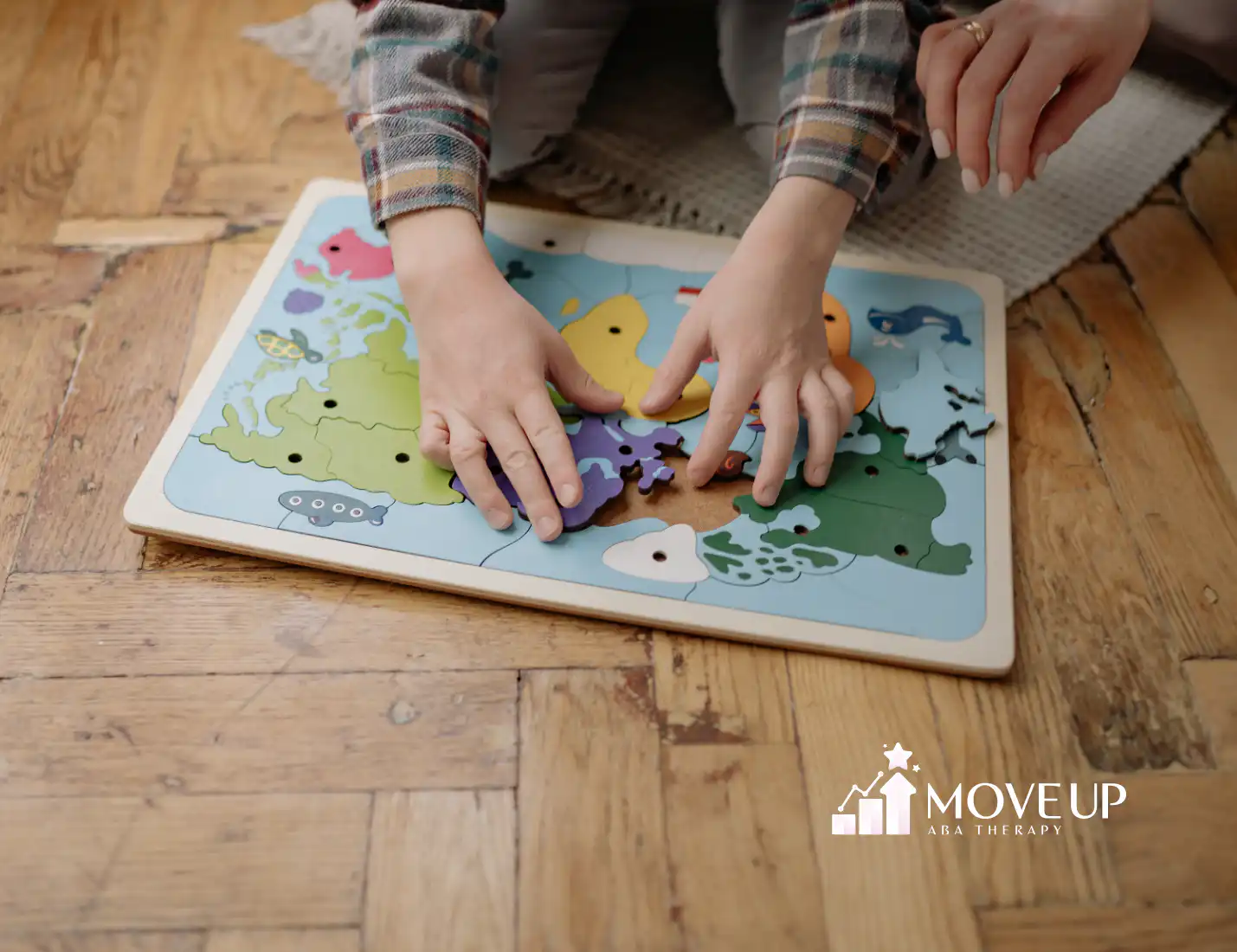
Pattern recognition is one of the most powerful and often overlooked strengths in autism. Many autistic individuals naturally notice details, sequences, and systems that others miss. This ability can support learning, problem-solving, and creativity across many areas of life. Autistic pattern recogn...

Many autistic children and adults express a deep concern for fairness, often voicing it with phrases like “That’s not fair!” This response is not defiance—it reflects a strong internal sense of justice and rule-based thinking. For many autistic individuals, rules provide structure and predic...