

Fluorescent lights. Beeping scanners. A cart with a squeaky wheel. For most people, that’s just Tuesday. For an autistic child, it can be sensory overload from the moment the automatic doors open. Grocery shopping with an autistic child gets easier with the right preparation, not willpower. Th...
autism
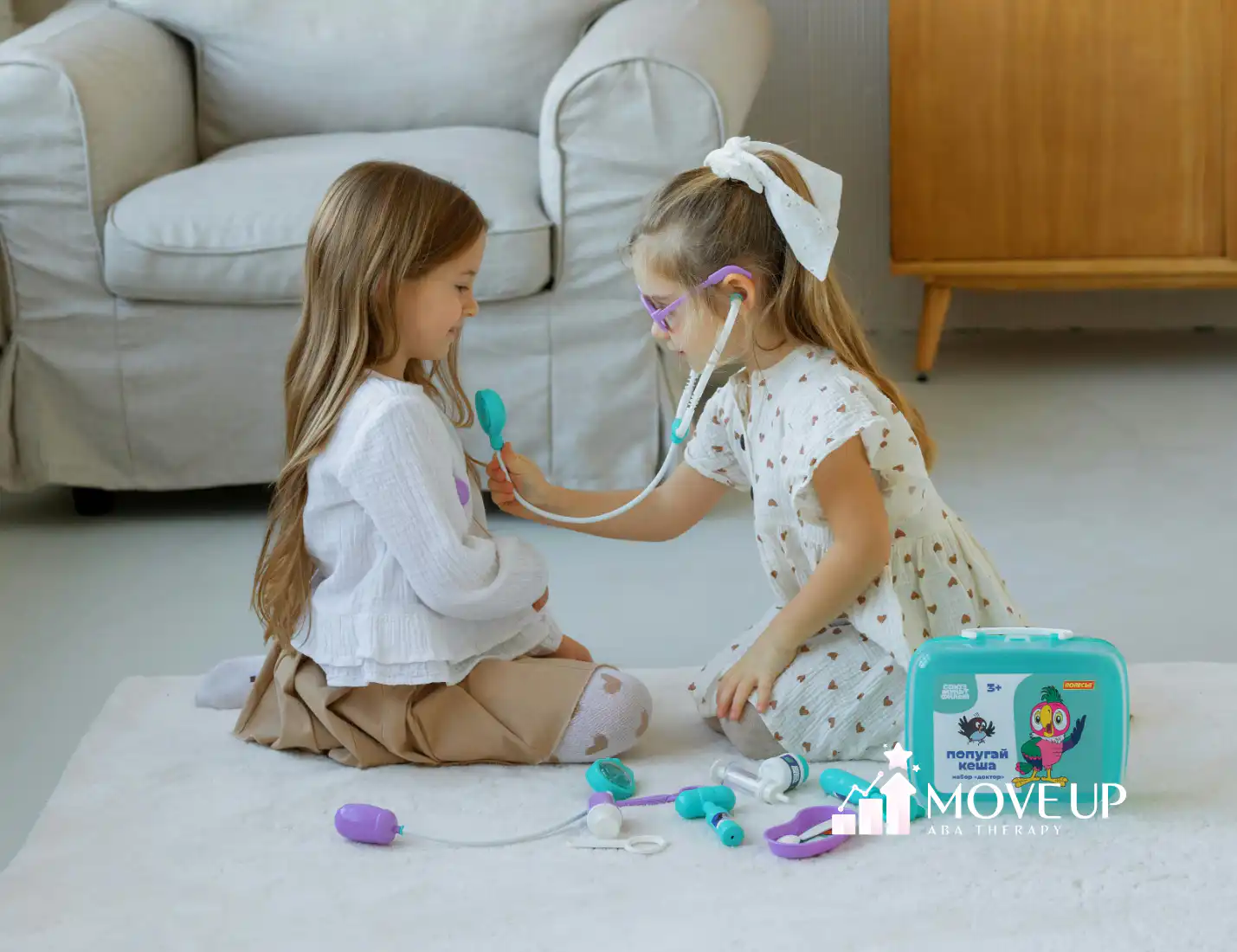
A fever spikes at midnight. A fall happens at the playground. There’s no script for when an ER trip becomes necessary, and for the families we work with every day, the visit itself can feel like the hardest part of the emergency. Emergency room tips for autistic children center on three things...

Elementary school graduation ceremonies are not part of a normal school day. For a lot of autistic students, that alone makes them hard. New sounds, unfamiliar schedules, a gown that itches, a crowd that will not stop moving. None of that has anything to do with whether a child is ready to graduate ...

High school graduation is longer, more formal, and more public than anything an autistic student has likely sat through before. Multiple speeches, hundreds of names, a stage in front of the whole community. For an elementary student, the goal is usually getting through the day with the right adult n...

Most children do not love the dentist. But for an autistic child, a routine cleaning can feel like a full sensory assault — the overhead light, the unfamiliar sounds of drills and suction, a stranger’s gloved hands moving toward their mouth. What looks like non-compliance from the outside is...

After an autism diagnosis in Northern Virginia, most families discover the same thing pretty fast: the help exists, but it lives behind a dozen different doors. The school district has its own intake. The county runs a separate developmental disability system. Insurance points you somewhere else ent...

Most Maryland parents hear about “the waiver” within a week of their child’s autism diagnosis. Usually from another parent in a waiting room. Rarely with the full picture attached. The Maryland Autism Waiver is a Medicaid-funded Home and Community-Based Services program that lets e...

Almost every parent of an autistic child eventually notices the same thing. The neurotypical sibling — the one who isn’t in therapy, doesn’t have an IEP, doesn’t need help with social cues — is quietly going through their own difficult experience. They watch their brother or si...

Every May, BCBAs across the country start hearing the same question from parents: “Will my child lose what we worked so hard on this year?” It’s one of the most consistent worries parents bring up before summer break — and for good reason. The research backs up what parents notic...