
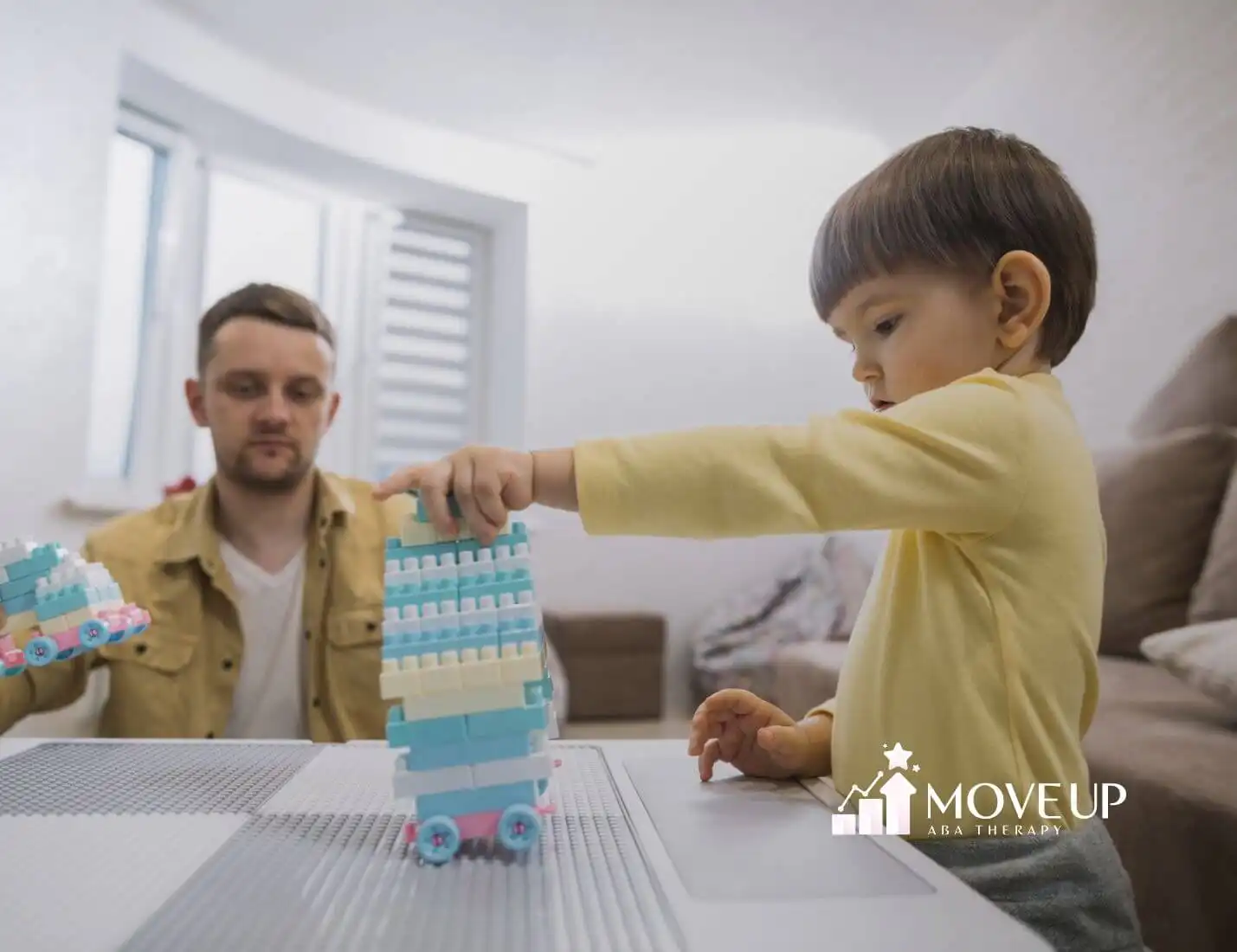
Sensory tools can help children with autism manage sensory sensitivities, regulate emotions, and focus. While professional sensory tools can be expensive, there are plenty of low-cost options that can be just as effective in supporting your child at home. Affordable Sensory Tools: Fidget Toys: Simpl...
autism

Teaching an adolescent with autism to use public transportation independently is a valuable life skill that promotes independence and self-confidence. It requires breaking down the process into manageable steps, using clear instructions, and consistent practice. Steps to Teach Public Transportation ...
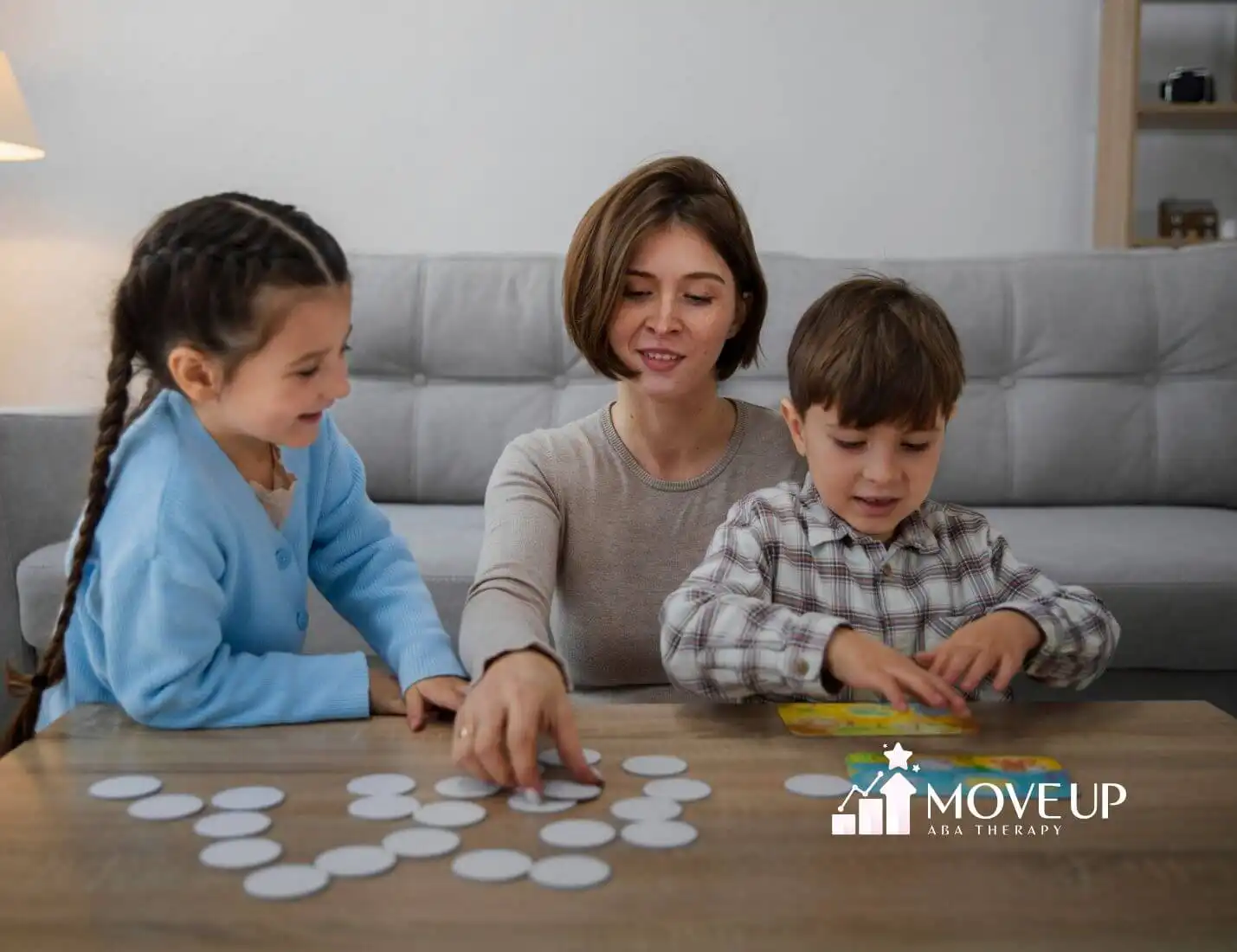
Teaching stop and go games is a great way to help children with autism practice self-control, impulse regulation, and motor planning. These games, like “Red Light, Green Light” or “Freeze Dance,” can improve listening skills, focus, and understanding of rules while being fun and interactive....

Social media has become a powerful tool for sharing personal stories, connecting with others, and offering support. For parents of children with autism, social media can also be an important space for documenting and sharing their family’s journey, raising awareness, and connecting with other fami...

For many children, homework can feel like a mountain to climb—especially for those with autism. Fatigue, unclear expectations, or difficulty shifting from playtime to work can quickly turn study time into a meltdown. The goal isn’t just finishing assignments but creating a positive learning expe...

When a child hits themselves, it’s often a sign of distress, frustration, or sensory overload, not defiance. The first step is to stay calm and ensure safety. Gently block the behavior if needed, and remove triggers from the environment. Avoid reacting with anger, which can escalate the situation....

If your child laughs during a serious reprimand, it may feel confusing or disrespectful, but it’s often not intentional. For many autistic children, laughter can be a stress response. When emotions run high, the brain may trigger laughter as a way to cope with anxiety, sensory overload, or difficu...
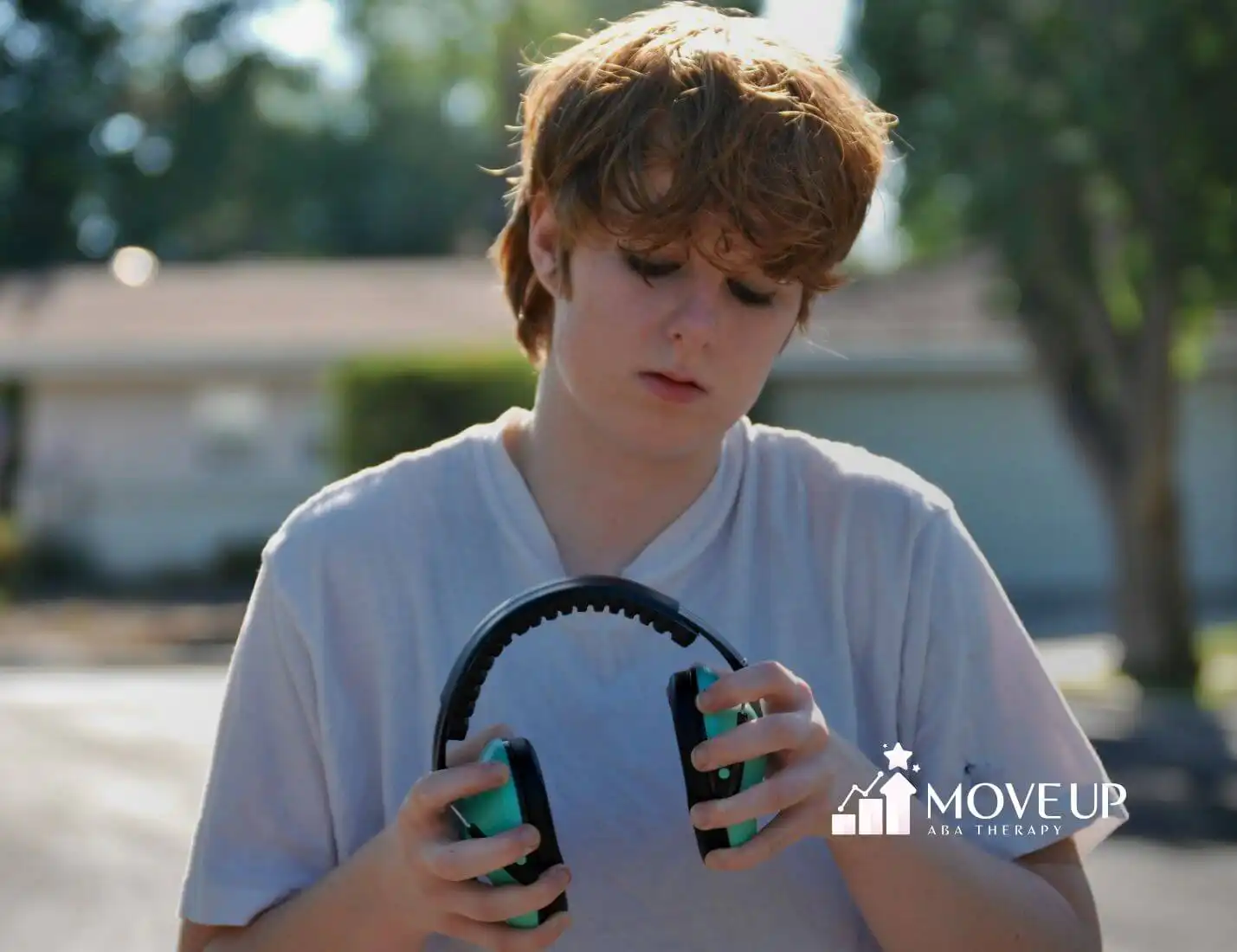
Finding the right social skills group for your autistic teen starts with understanding their goals. Are they working on conversation, peer interaction, or emotional regulation? Look for groups that match your teen’s developmental level, not just age, and offer structured, evidence-based support. A...

When children get frustrated, they often act out instead of asking for help—especially those with autism or communication delays. Teaching your child how to ask for help gives them a positive, effective way to express their needs and reduces challenging behaviors. Start by modeling calm behavior y...