

Many autistic children and adults express a deep concern for fairness, often voicing it with phrases like “That’s not fair!” This response is not defiance—it reflects a strong internal sense of justice and rule-based thinking. For many autistic individuals, rules provide structure and predic...
autism
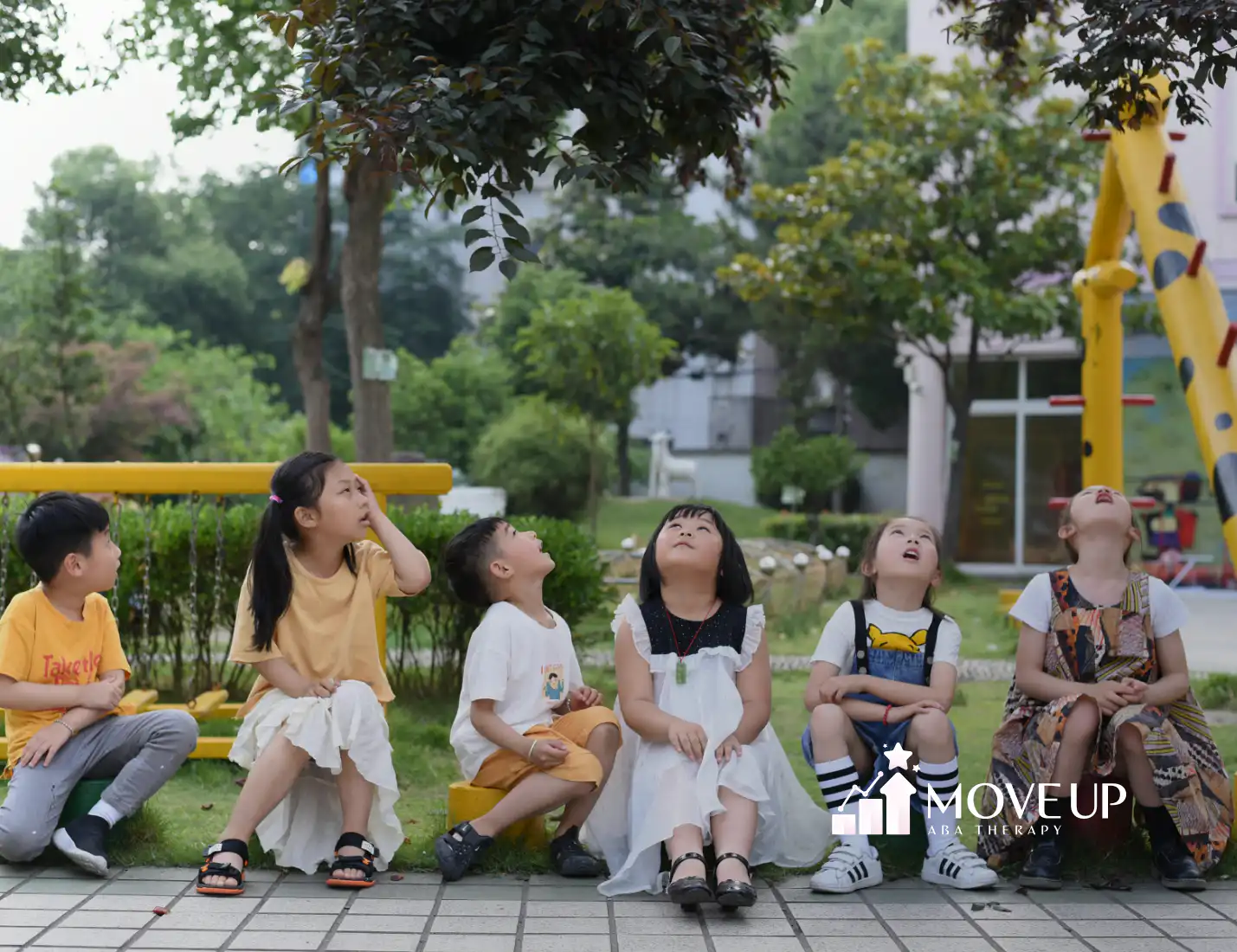
Autism is often associated with introversion, but many autistic individuals are naturally extroverted. They enjoy social interaction, conversation, and connection—yet face unique challenges that can make socializing both rewarding and exhausting. Autistic extroverts may seek out people and social ...

Unsolicited hugs or physical contact from acquaintances can be uncomfortable for autistic children, especially those with sensory sensitivities or a strong need for personal space. While these gestures are often well-intentioned, they can feel overwhelming or confusing when boundaries are not respec...

Homeschooling an autistic child can offer unique advantages, but it also comes with important considerations. One major benefit is flexibility. Homeschooling allows families to tailor lessons to a child’s learning pace, interests, and sensory needs. This can reduce stress and create a more support...

Playdates are a cornerstone of childhood, offering moments for friendships to bloom and memories to be made. For children with autism spectrum disorder, these social gatherings can feel challenging. However, with thoughtful planning, you can create positive and supportive play experiences. This guid...
For many autistic individuals, phone calls are one of the most stressful forms of communication. Without facial expressions, body language, or visual context, understanding tone and intent becomes harder. Phone calls also require quick responses, which can feel overwhelming and lead to anxiety or av...
Welcome to a deeper look into the autistic experience through the lens of monotropism. This theoretical model provides a powerful framework for understanding autism spectrum disorders. Instead of viewing autism as a collection of unrelated symptoms, the theory of monotropism suggests that many core ...
Group projects are a common academic requirement that involve collaboration, communication, and shared responsibility. For autistic students, these tasks can present challenges related to social interaction, sensory input, and organization. Using structured, evidence-based strategies can support mor...

Grandparents often play an important role in family life, but navigating relationships can become challenging when unsolicited advice about autism enters the conversation. While comments may be well-intended, they can feel overwhelming or invalidating—especially when they conflict with professiona...