

A pink tent in the trees. A whistle by the lake. A row of name-labeled water bottles on a folding table. Summer camp is a rite of passage. For a child with special needs, it can also be a brand-new schedule, a brand-new crew of adults, and a long list of safety details that have […]...
Autism

After an autism diagnosis in Northern Virginia, most families discover the same thing pretty fast: the help exists, but it lives behind a dozen different doors. The school district has its own intake. The county runs a separate developmental disability system. Insurance points you somewhere else ent...

Most Maryland parents hear about “the waiver” within a week of their child’s autism diagnosis. Usually from another parent in a waiting room. Rarely with the full picture attached. The Maryland Autism Waiver is a Medicaid-funded Home and Community-Based Services program that lets e...
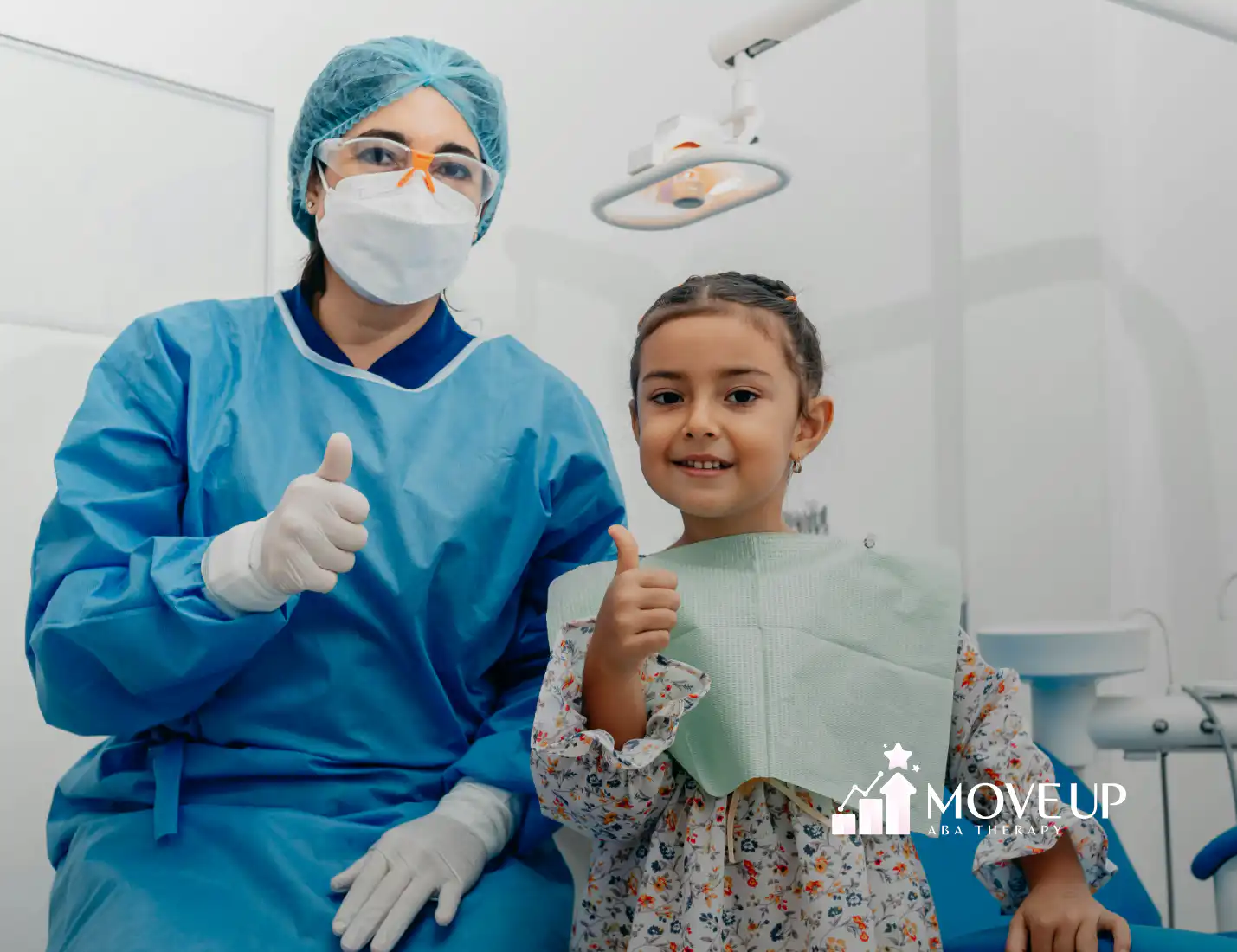
A waiting room with fluorescent lights. A stranger in a mask asking your child to open their mouth. The high-pitched whine of a dental polisher. Unfamiliar smells, unpredictable touch, sudden bright lights pointed at the face. For most kids, a doctor or dentist visit is mildly unpleasant. For many c...

You suspect something. Maybe your pediatrician flagged it. Maybe your gut has been telling you for months. Either way, the next question is where to actually take your child. An autism evaluation Maryland families typically pursue is a clinical assessment by a developmental pediatrician, psychologis...

Raising a child with autism in Baltimore costs a lot. According to Autism Speaks, families can spend up to $60,000 per year on therapies, equipment, and care. The good news? Financial assistance for Baltimore families raising a child with autism exists — and there’s more of it than most pare...

Maryland’s Infants & Toddlers Program (MITP) is the state’s free, federally funded early intervention system for children birth to age 3 with developmental delays or disabilities. In Baltimore City, it’s run through the Baltimore City Health Department. In Baltimore County, it&...
Group projects are a common academic requirement that involve collaboration, communication, and shared responsibility. For autistic students, these tasks can present challenges related to social interaction, sensory input, and organization. Using structured, evidence-based strategies can support mor...

Catatonia is a condition that affects movement, behavior, and speech. It can occur in individuals with autism, especially during adolescence. Understanding catatonia in autism helps families recognize changes that may require clinical attention. Research shows that catatonia in autism affects an est...