

For many children, homework can feel like a mountain to climb—especially for those with autism. Fatigue, unclear expectations, or difficulty shifting from playtime to work can quickly turn study time into a meltdown. The goal isn’t just finishing assignments but creating a positive learning expe...
autism

When a child hits themselves, it’s often a sign of distress, frustration, or sensory overload, not defiance. The first step is to stay calm and ensure safety. Gently block the behavior if needed, and remove triggers from the environment. Avoid reacting with anger, which can escalate the situation....

If your child laughs during a serious reprimand, it may feel confusing or disrespectful, but it’s often not intentional. For many autistic children, laughter can be a stress response. When emotions run high, the brain may trigger laughter as a way to cope with anxiety, sensory overload, or difficu...
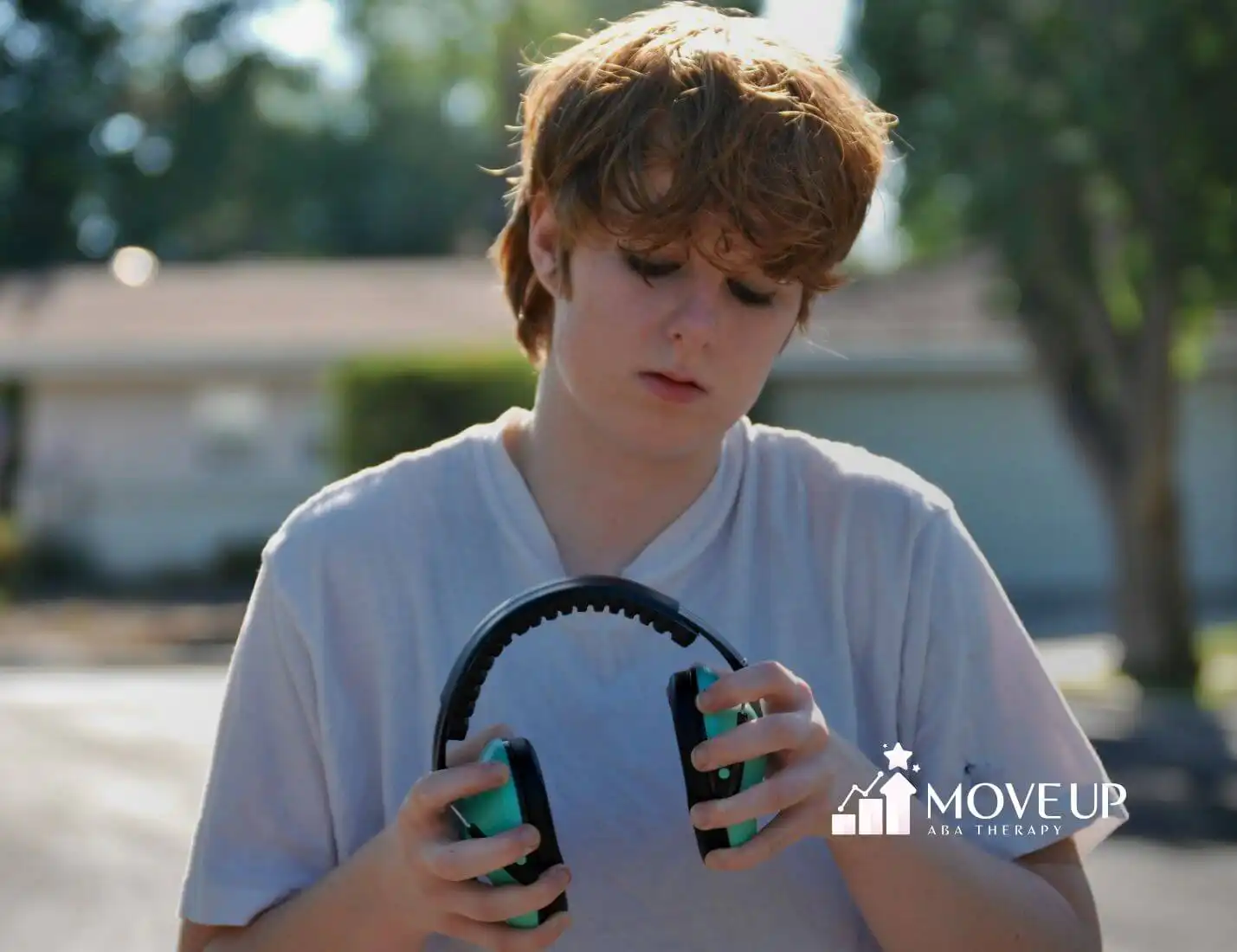
Finding the right social skills group for your autistic teen starts with understanding their goals. Are they working on conversation, peer interaction, or emotional regulation? Look for groups that match your teen’s developmental level, not just age, and offer structured, evidence-based support. A...

When children get frustrated, they often act out instead of asking for help—especially those with autism or communication delays. Teaching your child how to ask for help gives them a positive, effective way to express their needs and reduces challenging behaviors. Start by modeling calm behavior y...

If your child frequently repeats phrases, this behavior may be echolalia, which is common among children with autism. Rather than automatically viewing it as a barrier, echolalia often reflects that your child is trying to communicate or process language. When your child repeats a phrase, avoid disc...

Key Highlights Building friendships is a learned skill, and parents play an important role in teaching it. Strong peer relationships are crucial for a child’s mental health and social development. You can help your child by modeling how to be a good friend and fostering empathy at home. During ear...

Teaching kitchen safety to children with autism helps them gain independence while staying safe in a busy environment. Since the kitchen involves heat, sharp tools, and appliances, structured teaching and supervision are essential. Start by breaking tasks into simple, step-by-step actions. For examp...

Key Highlights Understand your legal rights under the Individuals with Disabilities Education Act (IDEA) to advocate for a free and appropriate education. Prepare for your IEP meeting by gathering essential documents, including ABA therapy progress reports and professional evaluations. Learn how App...